
Rick rack cactus (Selenicereus anthonyanus)
Also known as: Zig-zag cactus, Orchid cactus
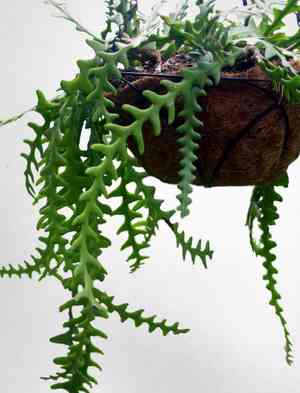
Native to Mexico, rick rack cactus (Selenicereus anthonyanus) is celebrated for its unusual appearance. Not only are its large, spiny, violet-red flowers remarkable for their nocturnal blooming hours, but the stem itself is notched and resembles a winding leaf. In nature, the ladder-like stems climb trees, but most garden versions are kept in hanging pots.
In This Article
Attributes of Rick rack cactus
Lifespan
Perennial
Plant Type
Vine, Succulent
Plant Height
60 cm
Spread
80 cm
Leaf Color
Green Blue
Flower Size
15 cm to 17 cm
Flower Color
White Pink Red Yellow Orange
Images of Rick rack cactus


Quickly Identify Rick rack cactus
1
Fishbone-like stems
2
Distinctive notched, lobed edges
3
Ephemeral, fragrant flowers
4
Deep violet rose outer petals
5
White inner petals with yellow stamens
Scientific Classification of Rick rack cactus
Phylum
Vascular plants
Class
Dicotyledons
Order
Caryophyllales
Family
Cactuses
Genus
Selenicereus
Species
Rick rack cactus
Planting and Growing of Rick rack cactus
Care Difficulty
Easy
Watering Schedule
Every day
Sunlight Requirements
Partial sun
Sunshine Duration
4-6 hours
Ideal Temperature
65-80℉
Soil Type
Potting Mix, Peat Mix
Soil pH
6.5-7.5
Fertilizer Type
Balanced
Pruning Season
Spring, Summer
Pruning Area
Branches, Leaves
Pruning Frequency
2 times a year
Repotting Season
Spring
Pot Type
Terracotta, Plastic
 How to Water Rick rack cactus?
When watering Selenicereus anthonyanus, aim for about 250 ml per session. The amount ensures adequate moisture without waterlogging the soil. Water until the water starts draining from the bottom of the pot, indicating the soil has been evenly saturated.
What are the symptoms of an underwatered Rick rack cactus?
›
What should I do if my Rick rack cactus is not getting enough water?
›
What are the symptoms of an overwatered Rick rack cactus?
›
How to save an overwatered Rick rack cactus?
›
 What Are the Sunlight Requirements for Rick rack cactus?
Partial sun to dappled light is ideal, reflecting the natural habitat of Selenicereus anthonyanus. This ensures best growth, supports flowering, and maintains healthy foliage without the risk of sunburn.
More About Sunlight Requirements Techniques→
What is the ideal amount of light?
›
How to achieve ideal lighting?
›
What are the benefits of ideal lighting?
›
 What Is the Ideal Temperature Range for Rick rack cactus?
For the healthiest growth, Selenicereus anthonyanus thrives in temperatures between 65°F and 80°F. This range simulates the plant's natural tropical habitat, supporting robust growth and vibrant blooms.
 What Soil is Best for Rick rack cactus?
Selenicereus anthonyanus prefers well-draining soil to prevent root rot. This is crucial because the plant's roots are sensitive to standing water, which can lead to diseases. A well-draining soil ensures that excess water flows away easily, safeguarding the plant's health. The plant thrives in a nutrient-rich medium as it supports healthy growth and flowering. Nutrient-rich soil encourages robust development, providing essential elements that the plant needs to sustain its sculptural foliage. An aerated soil structure aids root respiration and enhances nutrient uptake. The air spaces within the soil allow oxygen to reach the plant roots, which is vital for root function and overall plant vitality.
 How to Fertilize Rick rack cactus?
Selenicereus anthonyanus thrives with balanced nutrition, so it's essential to avoid over-fertilizing. Use a diluted liquid fertilizer at half the recommended strength for general houseplants. Apply enough to moisten the soil lightly without creating soggy conditions.
 How to Prune Rick rack cactus?
Before pruning Selenicereus anthonyanus, ensure you have sanitized, sharp pruning shears or scissors. This prevents the spread of disease and ensures clean cuts. A clean cut will heal faster and better support healthy regrowth. Look for old, damaged, or dead stems. These will usually appear discolored, lack vitality, or be unhealthy compared to other parts of the plant. By removing these, the plant can focus its energy on producing new, robust growth. Cut at the base of the undesired stem, close to the main body of the plant but without damaging it. Hold the stem firmly and make a single clean cut. Always angle your cuts slightly to prevent water from pooling on the cut surface. After pruning, monitor the plant for stress signs and adjust watering accordingly. Ensure the cut areas stay dry and clean to prevent infection. Maintain regular care to support recovery and new growth.
 How to Propagate Rick rack cactus plant?
1
Choose a healthy segment of the parent plant with no signs of disease or damage. Approximately 6 inches or more is ideal for propagation.
2
Make clean, angled cuts using sharp scissors or a knife to promote healing and root development. Let the cutting heal by drying it out for a few days.
3
Insert the healed end of the cutting into a pot filled with well-draining cactus soil. Ensure it is stable and upright before watering lightly.
 How to Repot Rick rack cactus plant?
1
Selenicereus anthonyanus shows signs of needing a new pot when roots begin to grow out of the drainage holes or the plant's growth appears stunted. Spring and early summer are the best times to repot, as the plant is actively growing and can quickly adapt to new conditions.
2
Choose a pot with drainage holes slightly larger than the current one to prevent waterlogging. The material should allow breathability, such as unglazed ceramic, which helps maintain a balanced moisture level, benefiting the cactus's health and preventing root rot.
3
Opt for a well-draining cactus mix to prevent water retention. This soil mimics the natural environment of Selenicereus anthonyanus, ensuring roots receive adequate air circulation and preventing root diseases commonly caused by overwatering.



