How to Propagate Rick rack cactus?
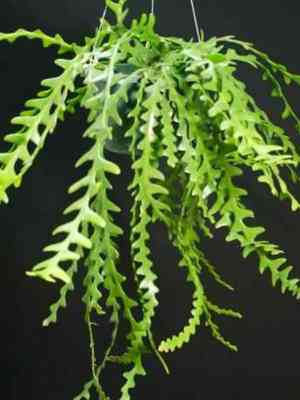
Epiphyllum anguliger is highly amenable to reproduction through cuttings. To achieve successful cultivation, choose a robust section and permit the severed end to harden for several days prior to embedding it in porous soil. Verify that the cuttings are exposed to filtered illumination and sustain adequate dampness in the substrate to encourage root formation. Consistent observation will aid in identifying any indications of decay or illness promptly, thereby improving the likelihood of successful propagation.
Optimal Period for Rick Rack Cactus Propagation
Propagation Method
Cutting
Propagation Season
Spring,Summer
Essential Tools for Rick Rack Cactus Propagation
Sharp Pruning Shears or Scissors
These implements are vital for obtaining clean, precise cuts from rick rack cactus. Sharp blades ensure a neat incision without crushing stem tissue, which is crucial for proper callusing and subsequent root formation. Clean cuts also minimize infection risk.
Rooting Hormone
Applying a rooting hormone to the freshly severed ends of rick rack cactus cuttings can significantly boost root development. Rooting hormones contain synthetic auxins that mimic natural plant hormones, stimulating root growth and aiding quicker establishment.
Sterilizing Agent (e.g., Rubbing Alcohol or Bleach Solution)
Used to sanitize cutting tools before and after taking rick rack cactus cuttings. Sterilization prevents the spread of disease-causing pathogens, which is especially critical for the health and viability of new cuttings.
Well-draining Potting Mix
A potting mix that drains efficiently and is slightly acidic to neutral is perfect for rick rack cactus. This type of medium facilitates rapid water drainage, preventing root rot, while offering adequate aeration and support for developing roots.
Small Pots or Trays
These are utilized for planting cuttings after preparation. Small pots or trays are suitable as they ensure the limited initial root system of the cuttings doesn't sit in excessive wet soil, which could lead to fungal issues or root rot.
Plastic Bags or Cover
Creating a humid environment around rick rack cactus cuttings by covering them with a plastic bag or cover helps maintain sufficient moisture levels and encourages successful rooting. The cover should not touch leaves directly and should be removed periodically to prevent condensation and allow fresh air.
How to Propagate Rick Rack Cactus?
Propagation Type
Easy
Caring for Your Newly Propagated Rick Rack Cactus
Caring for Your Newly Propagated Rick Rack Cactus?
To care for rick rack cactus after propagation, ensure it receives indirect light as it establishes, avoid overwatering, and maintain temperatures between 18°C to 27°C (65°F to 80°F). Once new growth appears, signaling successful rooting, the standard care regimen for rick rack cactus, including occasional watering when soil is dry and monthly half-strength fertilizer during the growing season, can be resumed.
Common Errors to Avoid When Propagating Rick Rack Cactus
Incorrect Cutting Technique
When propagating rick rack cactus, a frequent error is using a dull blade for cuttings, which can crush stems and create poorly healed wounds susceptible to infection.
Excessive Watering
Too much water during the rooting phase can lead to root rot, a condition where roots decay in overly moist conditions, hindering the establishment of rick rack cactus.
Direct Sunlight Exposure
Exposing rick rack cactus cuttings to direct sunlight can cause tissue burn, dehydration, and ultimately prevent proper root establishment.
Cutting From Non-Viable Segments
Choosing old or unhealthy segments for propagation often results in poor or no root development due to a lack of vigor in the plant tissue.
Tips For Propagating Rick Rack Cactus
Use of a Sterilized, Sharp Blade
A sterilized, sharp knife or pair of scissors ensures a clean cut on rick rack cactus, reducing infection risk and promoting proper wound healing for successful rooting.
Appropriate Moisture Levels
Maintaining slightly moist but not waterlogged soil provides an ideal environment for rick rack cactus cuttings to develop roots without succumbing to rot.
Indirect Light Conditions
Placing rick rack cactus cuttings in bright, indirect light supports new growth development without the damage that direct sunlight can cause.
Selection of Healthy Cuttings
Healthy, mature stems chosen for propagation have a higher success rate due to their optimal energy reserves and growth potential.



