How Much Sunlight Do Flamevine Need?
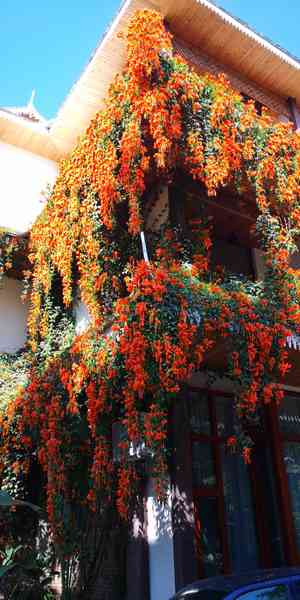
1
Flamevine flourishes optimally when receiving 6 to 8 hours of direct sun each day.
2
Exposure to morning sun is typically gentler and can mitigate the chance of leaf burn during the warmer parts of the afternoon.
3
Inadequate light exposure may lead to stress symptoms in Flamevine, including faded foliage and diminished development.
Optimal Sunlight Exposure for Flamevine
Full Sun Versus Partial Sun
The Flamevine, celebrated for its vivid, fiery blossoms, flourishes most effectively in conditions of full sun. Full sun is defined as an area that gets at least six hours of direct sunlight each day. For peak flowering and robust development, Flamevine should consistently receive this exposure. However, it can still grow reasonably well in partial sun, which equates to roughly three to six hours of direct sunlight daily. Providing full sun guarantees the plant acquires the energy required for abundant blooms, while partial sun might lead to fewer flowers and slower growth.
Morning Sun Against Afternoon Sun
Regarding the timing of light exposure, morning sun typically offers greater advantages for Flamevine compared to afternoon sun. Morning sun delivers gentle, less intense illumination, aiding the plant in initiating its photosynthetic processes without the danger of overheating. Conversely, afternoon sun can be significantly more intense, potentially causing heat stress, especially in very hot climates. Therefore, placing Flamevine where it receives ample morning sun while avoiding the strongest afternoon rays is ideal.
Recommended Sunlight Duration for Flamevine Development
Minimum Light Requirements
As a minimum, Flamevine requires approximately six hours of direct sunlight daily to sustain its brilliant flowers and overall vitality. These six hours of sunlight are crucial for photosynthesis, the biological process where plants transform light energy into chemical energy to power their growth. Without this minimal light duration, Flamevine may struggle to flower effectively and maintain its vibrant green leaves.
Optimal Daily Light Exposure
For superior outcomes, aim to provide Flamevine with no less than eight hours of sunlight per day. This amount of light maximizes the plant's capacity to photosynthesize and generate the spectacular orange blooms it's renowned for. During the active growing period, situating the plant to receive this level of exposure will ensure a healthy and visually appealing Flamevine.
Impacts of Insufficient Light on Flamevine
Indicators of Light Deprivation
When Flamevine does not receive sufficient sunlight, several signs can point to light deprivation. These indicators include discolored or yellowing foliage, elongated stems as the plant extends toward available light, and a reduced quantity of flowers. If these symptoms are observed, it is vital to respond by increasing the plant's light exposure.
Counteracting Light Deficiency
If your Flamevine is struggling due to inadequate sunlight, consider moving it to a brighter location. If indoor relocation is not feasible, supplementary grow lights can help offset the lack of natural light. These lights should be positioned close enough to offer the necessary intensity but far enough to prevent leaf scorching. A blend of natural and artificial light can sometimes be the most effective solution for prime growth.
Can Flamevine Withstand Excessive Sunlight?
Symptoms of Heat Stress
Too much sunlight, particularly in the form of harsh afternoon rays, can induce heat stress in Flamevine. Symptoms of heat stress include wilting, scorched leaves, and dry, brittle foliage. These signs can significantly impair the plant's growth and aesthetic appeal.
Guarding Against Sunburn
To safeguard Flamevine from sunburn, ensure it is not subjected to the most intense afternoon sunlight. Employing shade cloths or situating it in a location that receives filtered light during peak hours can lessen these risks. Consistent watering, especially during dry spells, can also help keep the plant hydrated and mitigate the effects of excessive heat.
Advice for Providing Proper Sunlight to Flamevine
Selecting the Appropriate Location
Choosing the correct site for your Flamevine involves comprehending its light requirements. A south-facing wall or fence can be perfect, as it generally provides ample sunlight throughout the day. It's crucial to initially observe the location to confirm it meets the plant's lighting needs.
Utilizing Shade Screens
For regions with particularly strong sunlight, shade screens can be an efficient method to shield Flamevine from excessive heat. These screens can lower light intensity by up to 50%, fostering a more suitable environment for your plant.
Placement Relative to Other Flora
Positioning Flamevine near other plants can also be beneficial. Taller plants can offer some natural shade during the hottest part of the day. However, be careful not to overcrowd, as this can lead to competition for light and nutrients.



