How to Prune Flamevine?
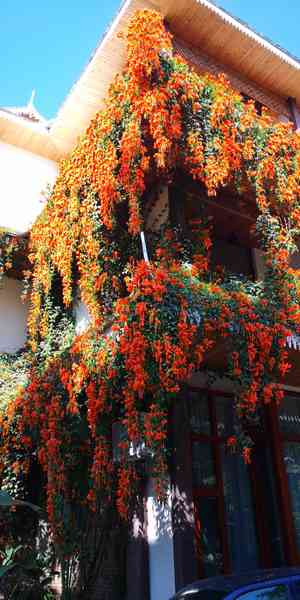
Originating from South America, this brilliant climbing plant is renowned for its fiery orange blossoms that embellish its robust tendrils. For flamevine, trimming ought to concentrate on eliminating deceased or frail stalks to sustain the plant's vitality and structure. Reducing lateral shoots to a couple of buds in early spring stimulates robust flowering. The end of winter is perfect for more substantial pruning, fostering fresh development and a splendid floral exhibition. Pruning improves air movement and light penetration, which are vital for the plant's abundant blooming.
Advantages of Trimming Flamevine
Advantages of Trimming Flamevine
Trimming flamevine promotes robust development and assists in maintaining its desired form. Regular cutting encourages dense foliage and abundant blooms, crucial for the plant's decorative appeal.
Optimal Time for Pruning Flamevine
Optimal Time for Pruning Flamevine
Late winter and early spring are the best periods for pruning flamevine as this timing aligns with the plant's dormant phase and precedes its active growth. Pruning during this window allows gardeners to shape flamevine and remove any dead or diseased material without disrupting its flowering, which typically occurs from late fall to winter. Additionally, this timing encourages healthier growth and more abundant blooms in the subsequent season, as the plant can direct its energy to new growth once temperatures rise. Proper pruning during these recommended seasons also helps prevent the spread of pests and diseases that may be more active during warmer periods.
Essential Tools for Pruning Flamevine
Bypass Pruners
Perfect for making clean cuts on flamevine's smaller stems, minimizing damage to plant tissue, which aids in better healing.
Loppers
Offer the necessary leverage for cutting through flamevine's thicker stems that bypass pruners cannot manage.
Pruning Saw
Ideal for removing mature and woody growth of flamevine, enabling gardeners to handle larger stems too thick for loppers.
Gardening Gloves
Protect hands from flamevine's thorns during the pruning process, ensuring safety while working with the plant.
Long-sleeved Shirt
Provides arm protection from potential scratches when pruning flamevine, as it can have sprawling growth with some rough stems.
Pruning Shears
Can be used for finer or detailed pruning tasks, shaping flamevine, especially if it's being trained or to maintain a specific form.
How to Prune Flamevine
Sanitize
Sterilize all pruning tools before beginning to prevent the spread of disease to flamevine.
Remove Diseased Leaves
Carefully remove any diseased leaves from flamevine to maintain plant health. Make cuts close to the stem, ensuring not to damage the buds.
Eliminate Withered Leaves
Trim away withered leaves to improve air circulation and light penetration for flamevine. Avoid tearing the leaves; use sharp shears for clean cuts.
Clean Up
After pruning, clean up and dispose of all removed vegetation to prevent disease or pest infestation in flamevine.
Post Pruning Care
Water flamevine moderately to reduce stress and support recovery after the pruning process.
Common Pruning Errors with Flamevine
Overpruning
Removing too much growth can stress flamevine, leading to reduced flowering and potential harm to the plant's health. Pruning more than one-third of the plant can be detrimental.
Improper Cut Location
Cutting too far from a bud or node, or too close, can either hinder healing or stimulate undesirable growth. Cuts should be made just above a node where leaves emerge.
Using Dull Tools
Dull pruning tools can cause jagged cuts which can become entry points for diseases and pests. Always use sharp, clean tools for a precise cut.
Neglecting Disease Management
Failing to clean tools between cuts, especially when moving between plants, can spread diseases. Clean tools with a disinfectant to manage disease spread.
Ignoring Plant Structure
Randomly cutting branches without considering the shape and structure of flamevine can result in an imbalance and less aesthetically pleasing growth.
Helpful Pruning Advice for Flamevine
Selective Pruning
To maintain the health and form of flamevine, selectively remove dead, diseased, or crossing branches while preserving the main structure. Thinning out the plant also allows light and air to penetrate, encouraging healthy growth.
Promote Flowering
Flamevine's abundant blooms develop on new growth. Pruning should aim to encourage new shoots, which will bear flowers in the next season.
Maintain Size And Shape
To control the size and shape, cut back overgrown stems, but do not remove all the previous year's growth. This allows flamevine to maintain a fuller form and ensures continuous blooming.
Stagger Pruning
If rejuvenation is needed, stagger heavy pruning over several seasons to avoid shocking the plant. This method helps flamevine recover and grow back with more vigor each time.
Post-Blooming Practice
Pruning immediately after the flowering season can help stimulate new growth for the following year, without affecting the current year's display of blossoms.



