How Much Sunlight Do Slender mountain mint Need?
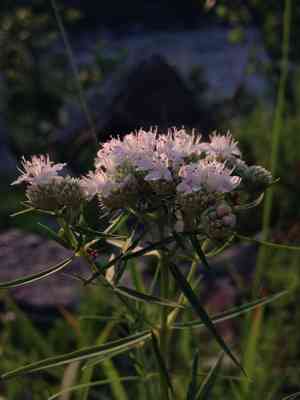
1
Slender mountain mint flourishes optimally with 6-8 hours of direct sun exposure daily.
2
Where summer temperatures are high, filtered light can protect Slender mountain mint's foliage from burning.
3
Modifying light exposure using natural or artificial shade can greatly enhance Slender mountain mint's development.
Ideal Light Conditions for Slender mountain mint
Full Sun: Advantages and Disadvantages
Full sun, meaning the plant gets at least six hours of direct sun daily, is generally best for Slender mountain mint. Benefits include strong growth, increased essential oil production, and vibrant blooms. However, in very hot regions, too much direct sun can cause leaf burn and reduced vigor. To counter this, gardeners in warmer climates can offer afternoon shade to prevent extreme heat stress.
Partial Sun: When and Why to Choose It
Partial sun, receiving about four to six hours of direct sunlight, is a good choice for Slender mountain mint, especially in areas with extremely hot summers. Partial sun provides enough light for growth while shielding the plant from the harshest midday rays. This balance helps maintain plant health and prevents undue stress or dehydration. Using tree cover, pergolas, or shade cloths can effectively manage sun exposure.
Seasonal Light Needs for Slender mountain mint
Spring and Summer Light Patterns
During spring and summer, Slender mountain mint needs more sunlight to support its growth and flowering. Aim for about 6 to 8 hours of direct sun daily. Utilize the longer daylight hours to ensure the plant gets sufficient light. If your area experiences exceptionally hot weather, consider morning sun exposure and afternoon shade to balance the plant's needs and protect it from intense heat.
Autumn and Winter Light Considerations
In autumn and winter, daylight hours shorten, and sun intensity decreases. During these seasons, Slender mountain mint can tolerate less sunlight but still requires at least 4 to 6 hours of light. Position plants where they can capture the most daylight, such as south-facing spots in the northern hemisphere. If grown indoors, supplemental grow lights can help maintain proper light levels.
Signs of Insufficient or Excessive Light for Slender mountain mint
Symptoms of Too Little Light
If Slender mountain mint isn't getting enough light, you might observe symptoms like leggy growth, elongated stems, and pale or yellowing leaves. The plant's overall vitality may decrease, and flowering could be sparse or absent. Moving the plant to a brighter location or using grow lights can help resolve these issues.
Indicators of Too Much Light
Overexposure to sunlight can show as scorched or burnt leaves, browning leaf edges, and wilting despite adequate watering. Healthy green color might fade, replaced by white or brown patches. To reduce excessive sun exposure, providing some afternoon shade or using a shade cloth can be beneficial.
How to Adjust Light for Healthy Slender mountain mint Development
Providing Shade: Methods and Tools
To provide shade for Slender mountain mint, consider using items like shade cloth, garden umbrellas, or artificial shading nets. Strategic planting near taller plants or on the north side of structures can naturally moderate sunlight. Move potted plants to areas with dappled sunlight to ensure they receive adequate but not excessive light.
Enhancing Light Exposure: Tips and Tricks
Boosting light exposure can be achieved by trimming nearby trees or shrubs that cast shadows on the plant. Reflective mulches or garden mirrors can help direct more light towards the plant. If indoors, place Slender mountain mint near south-facing windows (in the northern hemisphere) or supplement natural light with LED grow lights.



