The Slender mountain mint Plant Advantage: Maximizing Home and Office Appeal and Wellness
1
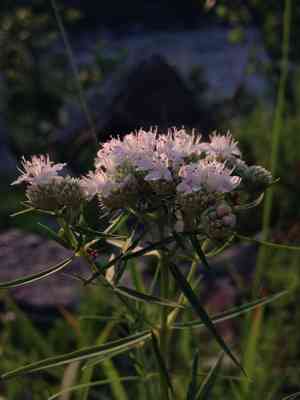
Narrowleaf mountain mint draws in numerous helpful pollinators.
2
It withstands dry conditions and needs little attention.
3
Narrowleaf mountain mint is suitable for herbal infusions and cooking, offering a crisp taste.
Why Cultivate Slender Mountain Mint in Your Garden?
Attracts Beneficial Pollinators
A key attribute of Slender mountain mint is its capacity to draw in a diverse range of helpful pollinators. This plant produces small white flower clusters from mid-summer to early autumn, offering a rich nectar source for bees, butterflies, and other pollinators. This not only aids in the pollination of other garden plants but also bolsters local biodiversity. By growing Slender mountain mint, you support ecosystem health, encouraging these vital creatures in your outdoor space.
Low Maintenance and Drought-Tolerant
Another significant benefit of Slender mountain mint is its minimal care requirements. This plant flourishes in various soil types and conditions, making it a versatile option for different garden environments. Its drought-resistant nature means it can survive with little watering once established, which is perfect for gardeners aiming to conserve water. This hardiness makes Slender mountain mint a practical choice for those with busy schedules or for gardens in areas prone to dry periods.
How Can You Incorporate Slender Mountain Mint into Cooking?
Herbal Infusions
One of the most enjoyable uses for Slender mountain mint is in herbal teas. The leaves of this plant possess a refreshing, minty taste that can be used to brew a calming beverage. Simply steep a handful of fresh leaves in hot water, strain, and savor a naturally caffeine-free drink. This tea is not only delicious but also provides a unique, aromatic experience that can be a wonderful alternative to traditional teas.
Culinary Creations
Beyond teas, Slender mountain mint can also be an exciting addition to various culinary dishes. The minty flavor of the leaves can enhance salads, desserts, and even savory meals. Whether finely chopped and sprinkled over a summer salad or used as a garnish for a sweet treat, Slender mountain mint offers a versatile, flavorful component that can elevate your cooking. Experimenting with Slender mountain mint in the kitchen can lead to new and delightful recipes that surprise and satisfy your palate.
What Are the Ecological Advantages of Slender Mountain Mint?
Supports Local Wildlife
Planting Slender mountain mint in your garden does more than just beautify your area; it plays a crucial role in supporting local wildlife. The dense foliage offers shelter for small insects and birds, creating a miniature ecosystem within your garden. This added layer of habitat diversity can attract a variety of creatures, from beneficial insects to birds, enhancing the ecological health of your outdoor space.
Reduces Soil Erosion
Slender mountain mint contributes to the stability of your garden's soil, thanks to its robust root system. These roots help to minimize soil erosion, especially on sloped areas where water runoff can be a problem. By anchoring the soil, Slender mountain mint ensures that your garden remains healthy and looks well-maintained, even in challenging weather conditions.
Tips for Cultivating and Caring for Slender Mountain Mint
Ideal Growing Conditions
Slender mountain mint thrives best in full sun to partial shade and prefers well-drained soil. While it adapts to various soil types, ensuring good drainage helps the plant perform optimally. Planting Slender mountain mint in a location that receives several hours of sunlight will result in more vigorous growth and an abundance of flowers.
Propagation Techniques
Propagating Slender mountain mint can be achieved through seeds, cuttings, or division. Starting from seeds can be a rewarding endeavor, though it requires patience as germination can take some time. Alternatively, cuttings can be taken in the spring or early summer and rooted in a moist growing medium. Division is another effective way to propagate, especially for mature plants, and can be done in the spring or fall. Each propagation method has its benefits, and choosing the right one depends on your gardening preferences and experience.



