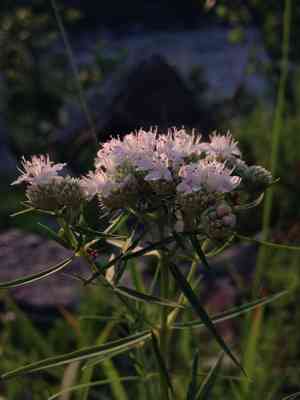
Slender mountain mint(Pycnanthemum tenuifolium)

Slender mountain mint (Pycnanthemum tenuifolium)

Also known as: Narrow-Leaved Mountain-Mint, Virginia thyme

Slender mountain mint, also known as common horsemint or Virginia thyme, belongs to the mint family. When its leaves are crushed, they emit a mint-like scent. The plant's striking white flowers are a magnet for butterflies.

Attributes of Slender mountain mint

Lifespan
Perennial
Plant Type
Herb
Plant Height
60 cm to 90 cm
Spread
60 cm to 90 cm
Leaf Color
Green Gray
Flower Size
2.5 cm
Flower Color
White

ForwardPlant - Identify plants with a snap

Identify and diagnose plants, get toxicity alerts, and explore safety guides for all types of fungi.

Try for Free

Images of Slender mountain mint

Slender mountain mint(Pycnanthemum tenuifolium)

Quickly Identify Slender mountain mint

1
Stems have a unique square shape with a four-angled cross-section, and are typically around 0.2 inches (5 mm) in diameter.
2
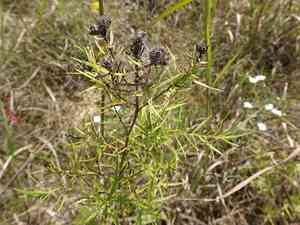
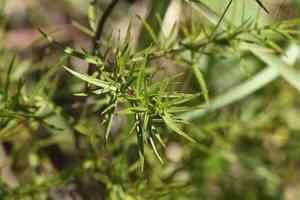
Leaves are narrow, needle-like, 1 to 2 inches (2.5 to 5 cm) long, emitting a pleasant aroma when crushed.
3
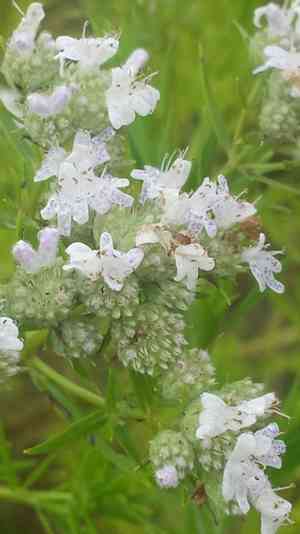
Flowers are small, whitish with a hint of pink, feature two lips with the lower lip divided into three distinct lobes.
4
Fruits are small, dry, brownish nutlets, less than 0.12 inches (3 mm) across, typically appearing in clusters.
5
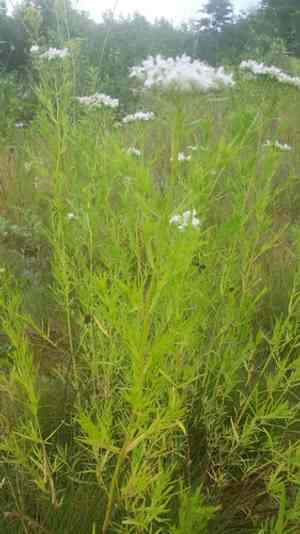
A clumping herb with a compact, erect growth, reaching 2-4 feet (60 cm to 1.2 meters) in height, characteristic of the Lamiaceae family.

Scientific Classification of Slender mountain mint

Phylum
Vascular plants
Class
Dicotyledons
Order
Lamiales
Family
Mint
Genus
Mountain mints
Species
Slender mountain mint

Planting and Growing of Slender mountain mint

Care Difficulty
Easy
Watering Schedule
Every 4 days
Sunlight Requirements
Full sun
Sunshine Duration
4-8 hours
Ideal Temperature
68-77℉
Soil Type
Potting Mix, Peat Mix
Soil pH
6.5-7.5
Fertilizer Type
Balanced
Pruning Season
Spring, Summer
Pruning Area
Branches, Leaves
Pruning Frequency
2 times a year
Repotting Season
Spring
Pot Type
Plastic, Ceramic

water icon How to Water Slender mountain mint?

Pycnanthemum tenuifolium, commonly known as slender mountain mint, typically thrives in moderately moist soil. To achieve this, aim for about 500 milliliters per watering session. Make sure the soil is damp but not soggy to promote healthy growth without risking root rot.
What are the symptoms of an underwatered Slender mountain mint?
What should I do if my Slender mountain mint is not getting enough water?
What are the symptoms of an overwatered Slender mountain mint?
How to save an overwatered Slender mountain mint?

sunlight icon What Are the Sunlight Requirements for Slender mountain mint?

Sunlight Requirements: Full sun, Partial sun
Duration of light: 6 to 8 hours
Full sun to partial sun offers Pycnanthemum tenuifolium the benefits of robust growth and aromatic foliage, supporting its essential oil production and overall vitality. Ensuring adequate sunlight is crucial for maintaining its natural vigor and lush appearance.
How much light does Pycnanthemum tenuifolium need?
What are the benefits of ideal lighting conditions?
How to ensure Pycnanthemum tenuifolium gets ideal lighting?
More About Sunlight Requirements Techniques

temperature icon What Is the Ideal Temperature Range for Slender mountain mint?

Ideal Temperature: 68 ~ 77℉
Ideal temperature for growing Pycnanthemum tenuifolium ranges from 68 to 77°F. It thrives in these conditions due to its nature and origin which adapt to such moderate temperatures. This range provides the necessary warmth for the plant's metabolic activities such as photosynthesis and respiration.

soil icon What Soil is Best for Slender mountain mint?

Soil type: Sandy soil, Loam
Soil PH: 6.5 ~ 7.5
Pycnanthemum tenuifolium thrives in well-drained soil conditions, preventing root rot and ensuring adequate air exchange. This allows the plant's roots to access oxygen efficiently, promoting healthy growth and robust foliage. This plant prefers soil with moderate fertility, which provides essential nutrients without causing excessive vegetative growth. Balanced nutrition supports flowering and enhances its aromatic properties, which can attract beneficial insects. While it tolerates dry conditions, this plant benefits from soil that retains some moisture, especially in hot climates. Consistent moisture availability helps in maintaining plant vitality and supports consistent aromatic output.

fertilize icon How to Fertilize Slender mountain mint?

Fertilizer type: Balanced
For Pycnanthemum tenuifolium, it is recommended to use a balanced liquid fertilizer diluted to half strength. During the growing season, use approximately 10-15 milliliters per plant for liquid fertilizers, ensuring the soil remains moist but not waterlogged.

prune icon How to Prune Slender mountain mint?

Pruning Time: Spring, Summer
Before you start, inspect your Pycnanthemum tenuifolium for any dead or diseased branches. Removing these first helps the plant focus energy on healthy growth and reduces the spread of diseases. Trim the plant into a desired shape by cutting back overgrown or misshapen branches. Begin by targeting taller branches, cutting them back to a node where two small shoots are growing, ensuring a fuller shape. To encourage new growth, cut back longer or older stems by one-third. Doing so promotes a denser and more robust plant. Light pruning of the top stems can also encourage a bushier appearance. Identify and remove any stems that are crossing over or competing with others for light and air. Removing these stems enhances the air circulation and light penetration, crucial for the plant's health. More About Pruning Techniques

propagate icon How to Propagate Slender mountain mint plant?

Propagate Time: Spring, Early summer, Autumn
1
To propagate by seeds, sow them in a container filled with well-draining potting mix. Cover the seeds lightly with soil, and keep the surface moist until they germinate. It's important to place the containers in a warm location to facilitate germination.
2
When using stem cuttings, select healthy, non-flowering stems and cut them into 4-6 inch lengths. Remove the lower leaves and dip the cut end into rooting hormone before planting them in a pot filled with a moist potting medium.
3
For division propagation, lift the plant from the ground carefully and gently separate the roots into several smaller sections. Each section should have roots and shoots; replant them in well-prepared soil to promote growth.

repot icon How to Repot Slender mountain mint plant?

Repotting frequency: Every 2-3 years
1
Observe your Pycnanthemum tenuifolium for signs such as roots circling the bottom of the pot, slow growth, or compacted soil. These are significant indicators that repotting is necessary to provide fresh nutrients and space for root expansion.
2
Select a pot that is just one size larger than the current one, with ample drainage holes. A pot that is too big can retain excess moisture, leading to root rot, while proper drainage prevents soggy soil, keeping roots healthy.
3
Choose a well-draining potting mix composed of equal parts peat, perlite, and sand. This blend ensures good aeration, maintains adequate moisture, and prevents soil compaction, promoting robust root growth.

ForwardPlant - Identify plants with a snap

Find the best spots for them to optimize their health, simply using your phone.

Try for Free

Toxicity of Slender mountain mint

Is Slender mountain mint toxic to humans?

Slender mountain mint carries a moderate toxicity level for humans, predominantly due to ingestion. The entire plant harbors toxic compounds, and consuming it may result in poisoning. The toxic properties are attributed to the presence of pulegone. Symptoms arising from ingestion can vary and may include gastrointestinal issues like nausea and vomiting, in addition to potential harm to the liver and central nervous system. Individuals should exercise caution and steer clear of unintentional consumption of slender mountain mint, as all plant parts are deemed toxic and can pose health hazards.

Is Slender mountain mint toxic to cat?

The slender mountain mint presents a moderate risk of toxicity for cats and could be harmful if ingested. It is possible for cats to unintentionally consume this plant, which may result in poisoning. The entire plant is toxic to felines due to the presence of pulegone, a compound known to be detrimental to feline health. If ingested, cats may exhibit signs of physical distress, which indicate potential poisoning. Therefore, it is paramount to observe your cat for any indications of illness and to seek veterinary assistance immediately if any part of the slender mountain mint has been consumed. Prompt professional care is vital for the safety and health of your pet.

Is Slender mountain mint toxic to dog?

Slender mountain mint presents a moderate toxicity risk to dogs. Canines might inadvertently consume parts of slender mountain mint, resulting in potential poisoning. The whole plant is toxic, and any ingestion should raise alarm. Symptoms of toxicity in dogs may encompass gastrointestinal distress, lethargy, and neurological abnormalities. The harmful compound found in slender mountain mint is pulegone, which poses dangers if ingested by pets. If you believe your dog has ingested slender mountain mint, it is crucial to obtain prompt veterinary attention to secure the best possible outcome for your pet.

Identify toxic plants for your safety

Learn which plants are harmful to you and your pets, and make informed choices for a safer home!

Try for Free
WARNING
The judgment on toxicity and danger is for reference only. We DO NOT GUARANTEE any accuracy of such judgment. Therefore, you SHALL NOT rely on such judgment. It is IMPORTANT TO SEEK PROFESSIONAL ADVICE in advance when necessary.
More About Toxic Techniques