How Much Sunlight Do Shield aralia Need?
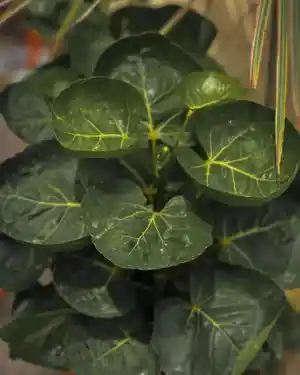
1
Shield aralia flourishes in well-lit, diffused light environments.
2
Shield aralia tolerates some sun exposure but must be protected from intense midday rays.
3
Providing the right amount of light encourages Shield aralia to develop vibrant and robust foliage.
Understanding Light Requirements for Shield aralia
Importance of Light for Shield aralia
Light is vital for the overall well-being and vigor of Shield aralia. It serves as the primary energy source driving photosynthesis, enabling the plant to produce its sustenance and grow robustly. Without sufficient light, Shield aralia would struggle to maintain its lush foliage and could become weak or elongated due to insufficient energy.
Types of Light
Various forms of light can influence the growth of Shield aralia:Full Sun: Direct light exposure for over 6 hours daily.Partial Sun: Direct light for 3-6 hours daily, typically in the morning or late afternoon.Indirect Light: Light that is filtered or diffused, often through a curtain or reflected from other surfaces. Shield aralia prefers bright, indirect light but can endure partial sun if protected from harsh midday rays.
Benefits of Appropriate Light Exposure
Sufficient light ensures that Shield aralia maintains a vibrant, healthy appearance. Proper exposure encourages strong growth, rich green leaves, and overall plant vitality. When Shield aralia receives the correct amount of light, it can efficiently photosynthesize, which not only boosts its growth but also enhances its resistance to pests and illnesses.
How Much Light Does Shield aralia Need?
Optimal Light Conditions
Shield aralia flourishes best in environments where it can receive bright, indirect light for most of the day. Ideally, position it near an east-facing window where it can get morning light without exposure to the intense afternoon sun. Partial light conditions can also be suitable, provided the plant is not exposed to more than 3-6 hours of direct light per day.
Signs Your Shield aralia Is Receiving Too Much or Too Little Light
It's crucial to observe cues from your Shield aralia to determine if it's getting the right amount of light:Too Much Light: Yellowing or browning leaves, scorched spots, or wilting during midday.Too Little Light: Stretched growth, pale or dull foliage, and a slower growth rate. If you notice these symptoms, it's essential to adjust the plant's location to provide optimal illumination.
Adjusting Light Exposure
Modifying light exposure to meet Shield aralia's needs can significantly improve its health. If your plant shows signs of excessive light, move it to a spot with filtered light or provide some shade during peak light hours. Conversely, if it's not getting enough light, gradually move it to a brighter location to prevent shock. Monitoring and adjusting based on plant feedback ensures that Shield aralia remains vibrant and healthy.
Tips for Providing Ideal Light to Shield aralia
Positioning Your Plant Indoors
For indoor placement, select an east-facing window to receive soft morning light, which is perfect for Shield aralia. If an east-facing window isn't available, a north-facing window with bright, indirect light also works well. Avoid placing it directly in south or west-facing windows where afternoon sun can be too intense.
Utilizing Artificial Lights
If natural light is scarce, you can supplement with artificial grow lights. Full-spectrum LED grow lights that mimic natural light are ideal for Shield aralia. Position the lights to provide consistent illumination throughout the day, ensuring your plant gets a steady 10-12 hours of light daily.
Seasonal Adjustments
Light intensity varies with the seasons. During winter, when daylight hours are shorter, consider moving Shield aralia closer to windows or using artificial lights to compensate for the reduced natural light. In the summer, you might need to provide some shading to protect the plant from intense afternoon light.
Frequently Asked Questions about Shield aralia Light Needs
Can Shield aralia thrive in dim light conditions?
Shield aralia can survive in dim light conditions, but it's not optimal for its growth. The plant may become leggy, and its leaves might lose their vibrant color. For best health and appearance, it's ideal to provide bright, indirect light.
What are the consequences of insufficient light for Shield aralia?
Insufficient light can lead to several problems for Shield aralia, including stunted growth, pale or yellowing leaves, and increased vulnerability to pests and diseases. Prolonged lack of light can cause the plant to become weak and elongated.
How to overcome challenges in providing adequate light?
Overcoming light challenges involves strategic placement of your Shield aralia and using supplemental lighting if necessary. Monitor the plant's response, adjust its positioning according to seasonal changes, and consider using reflectors or artificial lights to enhance light exposure. Consistent observation and care will ensure your plant thrives despite any environmental limitations.



