
Shield aralia (Polyscias scutellaria)
Also known as: Plum aralia, Milkwort
The plant you're describing is the banana plant (genus Musa), which can reach heights of 1 to 6 meters. It's commonly utilized as an ornamental or hedge plant due to its striking foliage. Additionally, in some regions, the large leaves of the banana plant are used as natural plates.
In This Article
Attributes of Shield aralia
Lifespan
Perennial
Plant Type
Shrub
Plant Height
6 m
Spread
4 m
Leaf Color
Green Yellow White Variegated
Flower Size
2.5 cm
Flower Color
Green White
Images of Shield aralia
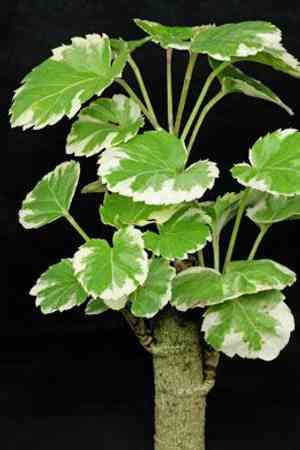
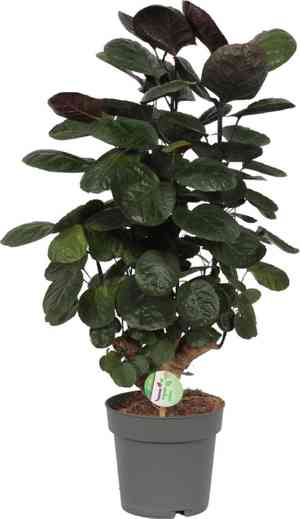
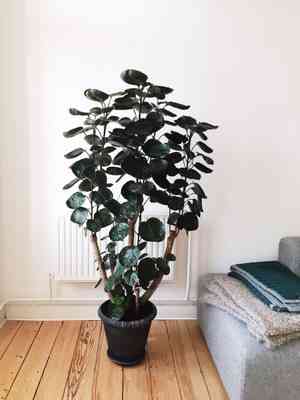
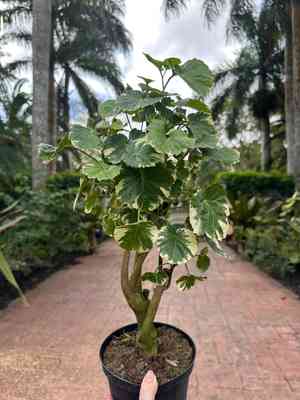
Quickly Identify Shield aralia
1
Shield Aralia can be identified by its large, rounded, and shiny leaves that are deeply lobed. The leaves have a leathery texture and are usually a dark green color. The plant typically grows in a dense, bushy form.
Scientific Classification of Shield aralia
Phylum
Vascular plants
Class
Dicotyledons
Order
Apiales
Family
Ivy
Genus
Aralia
Species
Shield aralia
Planting and Growing of Shield aralia
Care Difficulty
Hard
Watering Schedule
Every 3 days
Sunlight Requirements
Partial sun
Sunshine Duration
4-8 hours
Ideal Temperature
65-75℉
Soil Type
Potting Mix, Peat Mix
Soil pH
6.5-7.5
Fertilizer Type
Balanced
Pruning Season
Spring, Summer
Pruning Area
Branches, Leaves
Pruning Frequency
2 times a year
Repotting Season
Spring
Pot Type
Plastic, Ceramic
 How to Water Shield aralia?
When watering Polyscias scutellaria, ensure the soil is evenly moist but not waterlogged. This typically requires about 250ml of water per session, depending on the plant's size and environmental conditions. Always allow the top inch of soil to dry out before watering again to prevent root rot.
What are the symptoms of an underwatered Shield aralia?
›
What should I do if my Shield aralia is not getting enough water?
›
What are the symptoms of an overwatered Shield aralia?
›
How to save an overwatered Shield aralia?
›
 What Are the Sunlight Requirements for Shield aralia?
Partial sun; with adequate light, Polyscias scutellaria produces dense, vibrant foliage essential for aesthetic and healthy growth.
More About Sunlight Requirements Techniques→
What is the best lighting for Polyscias scutellaria?
›
How can you achieve the ideal lighting conditions?
›
What happens if Polyscias scutellaria receives ideal lighting?
›
 What Is the Ideal Temperature Range for Shield aralia?
The ideal temperature range for Polyscias scutellaria is between 65°F and 75°F. This range is optimal for the plant's metabolic processes, ensuring effective photosynthesis and nutrient absorption. Staying within this range will promote healthy growth and prevent stress-related issues.
 What Soil is Best for Shield aralia?
The necessity of well-draining soil for Polyscias scutellaria cannot be overstated. This type of soil prevents waterlogging, which can lead to root rot and ultimately the demise of the plant. By ensuring excess water drains away swiftly, the plant’s roots can breathe and absorb nutrients efficiently, contributing to its lush green foliage. Polyscias scutellaria thrives in soils that provide moderate fertility. The presence of essential nutrients ensures robust growth and helps in the formation of vibrant, healthy leaves. A soil that strikes a balance between richness and openness can boost the plant’s overall vigor, making it resilient to environmental stresses. Maintaining a slightly acidic to neutral pH level between 6.5 and 7.5 is crucial for Polyscias scutellaria. This pH range ensures that the nutrients are available in optimal amounts, promoting healthy growth and reducing issues like nutrient lockout.
 How to Fertilize Shield aralia?
For Polyscias scutellaria, use a balanced fertilizer at half strength. During the growing season, apply liquid fertilizer every two weeks diluted to half strength. Avoid over-applying to prevent salt buildup.
 How to Prune Shield aralia?
Look for branches that are excessively long or sparse. These branches usually contribute less to the plant's overall appearance. Cutting these back will encourage new growth and create a more dense and attractive plant. Trim your plant in a way that enhances its natural shape. Cutting back any unruly or disproportionate growths will help maintain a symmetrical and compact shape. This approach is particularly important in smaller spaces where proportional growth is preferred. When you prune Polyscias scutellaria, make sure to snip just above a set of leaves or a node. This technique encourages new shoots to develop, promoting a healthier and more vigorous plant. Keep an eye on these emerging shoots to ensure they grow properly. Before each pruning session, sanitize your tools with rubbing alcohol or a diluted bleach solution. Sterilizing tools between each plant reduces the risk of transmitting diseases. This is crucial when maintaining multiple plants or working in a shared garden environment.
More About Pruning Techniques→
 How to Propagate Shield aralia plant?
1
Choose healthy, non-flowering stems to take cuttings from. Ideally, the stems should be of moderate thickness and appear robust without any signs of disease or pest damage.
2
Using sharp pruning shears, cut a section of the stem about 10-15 cm long. Make sure to cut just below a leaf node where roots are more likely to develop.
3
Dip the cut end in rooting hormone and plant it in a well-draining potting mix. Keep the soil moist and place the cutting in a location with indirect sunlight until roots form.
 How to Repot Shield aralia plant?
1
You know it's time to repot Polyscias scutellaria when the roots start peeking out of the pot's drainage holes or when the growth becomes sluggish. Changes in the appearance of leaves, such as yellowing or wilting, can also indicate that repotting is needed. These signs typically occur after two years, signaling that the plant needs more space or fresh soil.
2
Choose a pot that is 2 inches wider in diameter than the current one, with sufficient drainage holes. This extra space allows for root growth and helps prevent waterlogging, which is crucial for maintaining healthy roots. A ceramic or clay pot is ideal as it ensures stability and aeration, which Polyscias scutellaria favors.
3
Opt for a well-draining potting mix that can retain some moisture without becoming oversaturated. A blend with plenty of organic matter mixed with perlite or coarse sand is excellent. This mix provides essential nutrients while allowing air circulation to the roots, preventing root rot and overcrowding.
Learn More About Shield aralia Diseases
Anthracnose
Bacterial Leaf Spot
Bacterial Soft Rot
Crown Gall
Damping-off
Downy Mildew
Drought Stress
Fusarium Wilt
Gray Mold
Leaf Curl
Leaf Spot
Mosaic
Nutrient Deficiency
Nutrient Toxicity
Powdery Mildew
Root Rot
Root-knot Nematode
Sooty Mold
Spider Mites
Temperature Stress
Thrips Damage
White Mold



