How Much Sunlight Do Hairy Beardtongue Need?
1
Hairy Beardtongue flourishes with over six hours of direct sun exposure each day.
2
To achieve peak growth, position Hairy Beardtongue in a spot offering a mix of sun and shade.
3
Excessive sun can lead to scorched foliage on Hairy Beardtongue, particularly if not adequately tended.
Optimal Light Conditions for Hairy Beardtongue
Understanding Full Sun Requirements
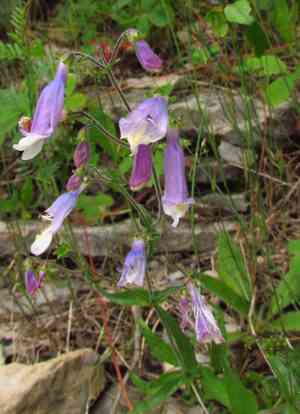
The Hairy Beardtongue, a lovely perennial, thrives in full sun. This means it needs at least 6 hours of direct sunlight daily. When planted in such conditions, the plant grows vigorously, displaying its beautiful bell-shaped flowers and long, fuzzy leaves. Full sun is vital for abundant blooming and maintaining the plant's overall health. Consider it the essential fuel for your Hairy Beardtongue's prosperity.
Partial Sunlight Adaptability
While Hairy Beardtongue prefers full sun, it can adjust to partial sunlight. Partial sun implies the plant gets about 3 to 6 hours of direct sunlight, usually in the cooler morning. However, in these conditions, you might observe a slight decrease in the vibrancy of its flowers. This flexibility makes Hairy Beardtongue a versatile addition to gardens without constant sunlight.
Seasonal Sunlight Variations
Sunlight exposure changes with the seasons, affecting your Hairy Beardtongue's growth. During the longer days of spring and summer, the plant enjoys ideal light levels. Yet, in fall and winter, daylight diminishes. It's crucial to monitor and, if possible, reposition the plant to capture maximum sunlight during shorter days. Though hardy, ensuring consistent sunlight helps maintain its vigor year-round.
Indicators of Light Deficiency in Hairy Beardtongue
Identifying Stunted Growth
A clear sign of insufficient light is inhibited growth. If your Hairy Beardtongue appears smaller than usual and isn't producing its characteristic tall stems, it's likely not getting enough light. The plant might seem weaker and less robust, struggling to reach its typical size without adequate sunlight.
Recognizing Pale or Yellow Leaves
Leaves are excellent indicators of a plant's well-being. For the Hairy Beardtongue, leaves should be a vibrant green. If they become pale or yellow, it's a clear sign of light deficiency. Without enough light, photosynthesis slows, leading to these visible symptoms. Providing more light can quickly resolve this issue.
Faded Flower Colors
The beautiful blooms of the Hairy Beardtongue are one of its most appealing traits. If the flowers look faded or less vivid, it signals a lack of sunlight. Sufficient light is essential for rich pigmentation in the flowers, so monitor the plant's environment to preserve its striking colors.
Avoiding Excessive Sunlight for Hairy Beardtongue
Symptoms of Sunburned Leaves
Too much of a good thing can be detrimental, and this applies to sunlight for Hairy Beardtongue. Sunburned leaves are a common problem when the plant is exposed to intense, prolonged sunlight. Symptoms include crispy edges, brown spots, and an overall scorched appearance. Regularly inspect the leaves to prevent sunburn.
Preventive Measures for Overexposure
Preventing overexposure involves strategic placement and possibly using gardening techniques like mulch or ground cover to protect roots. If you notice signs of sun stress, consider moving potted plants to a shadier spot during peak afternoon sun and providing shade cloth for garden plants. These steps help maintain a healthy balance.
Providing Shade During Peak Hours
When the sun is strongest, typically between noon and 4 PM, Hairy Beardtongue can benefit from some shade. Using shade nets or relocating the plant to receive morning sun and afternoon shade can lessen the harsh effects of direct midday sun. This practice will help prevent stress and keep the plant thriving.
Best Practices for Sunlight Management with Hairy Beardtongue
Choosing the Right Location
Successful Hairy Beardtongue cultivation begins with selecting the ideal spot in your garden. Ideally, choose a location that receives full morning sun to partial afternoon shade. Planting near a south-facing wall can maximize sunlight exposure and offer some protection from intense afternoon rays.
Using Reflective Surfaces
Reflective surfaces can be an clever way to boost sunlight exposure. By placing reflective materials like aluminum foil or light-colored stones around your Hairy Beardtongue, you can amplify the sun's rays reaching the plant, especially in partially shaded areas. This simple trick can enhance its overall growth and health.
Seasonal Adjustments for Optimal Growth
Adjusting the plant's exposure according to the seasons ensures continuous, healthy growth. During summer, consider extra shading during peak heat hours. In winter, reposition the plant to capture the limited available sunlight. These minor adjustments can significantly impact maintaining the Hairy Beardtongue's beauty throughout the year.



