How to Prune Hairy Beardtongue?
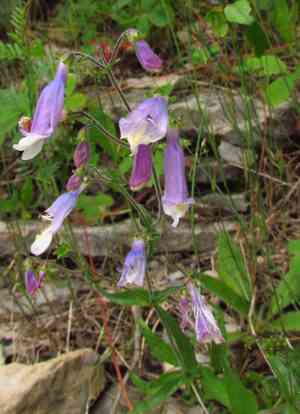
This enduring plant, recognized for its tubular blossoms and sturdy form, flourishes with infrequent trimming. Removing faded flowers from hairy Beardtongue stimulates further blooming and deters self-propagation. Following the flowering period, trim back the flower stems to the foundational leaves to foster more robust development. Trimming can occur at any point, yet pruning in late winter or early spring rejuvenates hairy Beardtongue for the subsequent season. Pruning not only preserves its structure but also encourages fresh development, boosting the plant's vitality and bloom presentation.
What Are the Benefits of Pruning Hairy Beardtongue?
What Are the Benefits of Pruning Hairy Beardtongue?
Trimming hairy Beardtongue encourages abundant flower production, promotes vigorous development, and helps maintain a pleasing shape, ensuring hairy Beardtongue stays attractive and healthy.
What Is the Best Time for Pruning Hairy Beardtongue?
What Is the Best Time for Pruning Hairy Beardtongue?
For hairy Beardtongue, the optimal time for trimming is late winter to early spring, prior to the emergence of new growth. This timing ensures the plant's energy is directed towards developing fresh, healthy shoots instead of supporting old or damaged sections. Pruning at this point also reduces the risk of disease, as many pathogens are less active in cooler periods. Additionally, removing spent flowers or seed heads after the blooming season in late spring or early summer can encourage a potential second bloom and prevent the plant from expending energy on seed production. Overall, this schedule aligns with hairy Beardtongue's natural growth cycle, fostering robust growth and flowering in the upcoming season.
What Tools Do I Need to Prune Hairy Beardtongue?
Bypass Pruners
Ideal for making clean cuts on hairy Beardtongue without crushing stems. Perfect for deadheading and removing spent flower stalks to promote reblooming.
Snips
Excellent for detailed work and deadheading hairy Beardtongue. Their smaller blades are perfect for reaching into dense foliage without harming nearby stems or leaves.
Gloves
Offer protection from the prickly hairs on hairy Beardtongue's stems while handling the plant during the trimming process.
How to Prune Hairy Beardtongue
CleanTools
Before beginning to prune hairy Beardtongue, sanitize pruning tools with isopropyl alcohol or a 10% bleach solution to prevent the spread of disease.
RemoveDiseasedMaterial
Carefully cut away any diseased leaves and branches from hairy Beardtongue using sharp, clean pruners, ensuring cuts are made at a slight angle just above a healthy leaf node or lateral branch.
TrimDeadMaterial
Trim off dead and withered leaves, as well as any dead branches, from hairy Beardtongue to maintain plant health and improve air circulation, making clean cuts close to the base without harming the main stem.
DeadheadFlowers
Deadhead spent and withered flowers on hairy Beardtongue by pinching them off or using pruning shears, cutting back to just above the first set of healthy leaves to encourage new flower growth.
MaintainShape
The overall shape of hairy Beardtongue can be maintained by selectively pruning overgrown branches. Make sure to cut at a node where new growth is desired, keeping the natural form of the plant.
Common Pruning Mistakes with Hairy Beardtongue
Over pruning
Removing too much foliage or too many stems at once can stress the hairy Beardtongue, hindering its growth and flowering potential.
Cutting at wrong angle
Incorrect cutting angles can leave hairy Beardtongue's stems vulnerable to disease and pest infestation.
Pruning into old wood
Cutting back into the old, non-productive wood can result in fewer flowers, as hairy Beardtongue blooms on new growth.
Neglecting deadheading
Failing to remove spent flowers can lead to reduced blooming since hairy Beardtongue can use its energy to produce seeds instead of more flowers.
Utilizing dull tools
Using dull pruning tools can damage the stems of hairy Beardtongue, making clean cuts essential for quick recovery and minimal stress.
Uneven pruning
Pruning hairy Beardtongue unevenly can lead to asymmetrical growth, which may affect the plant's overall health and appearance.
Common Pruning Tips for Hairy Beardtongue
Sharp tools
Ensure that pruning shears are sharp and clean to make precise cuts that will heal quickly, reducing stress on hairy Beardtongue.
Selective pruning
Prune selectively to maintain the shape and size of hairy Beardtongue, focusing on removing only dead or damaged stems, and thinning to improve air circulation.
Cut above growing nodes
Always cut just above a leaf node or bud to stimulate hairy Beardtongue to produce new, vigorous growth.
Post bloom pruning
After hairy Beardtongue has finished blooming, cutting back the flower stems may encourage a second round of blooms later in the season.
Gradual rejuvenation
If hairy Beardtongue requires significant pruning, do this over several seasons to prevent shock and give the plant time to recover.
Consistent care
Regularly inspect hairy Beardtongue throughout the growing season, removing dead or diseased matter as needed to maintain plant health and vigor.



