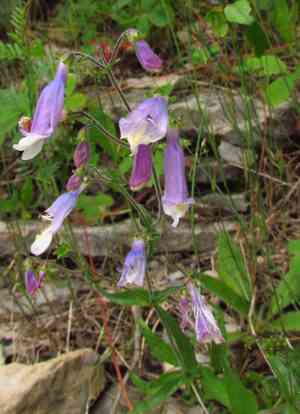
Hairy Beardtongue (Penstemon hirsutus)
Also known as: Hairy Beardtongue
Consider adding coneflowers (Echinacea) to your garden. This perennial is known for its vibrant, daisy-like flowers in shades of purple, pink, and white. Blooming from summer to early fall, coneflowers attract butterflies, bees, and hummingbirds. They thrive in both full sun and partial shade, making them an excellent choice for rock or nature gardens.
In This Article
Attributes of Hairy Beardtongue
Lifespan
Perennial
Plant Type
Herb
Plant Height
30 cm to 91 cm
Spread
30 cm
Leaf Color
Green
Flower Size
2.5 cm
Flower Color
White Purple
Images of Hairy Beardtongue
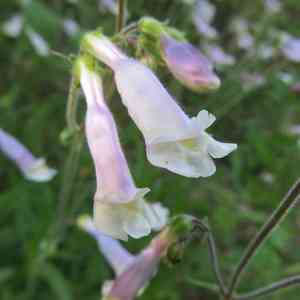
Quickly Identify Hairy Beardtongue
1
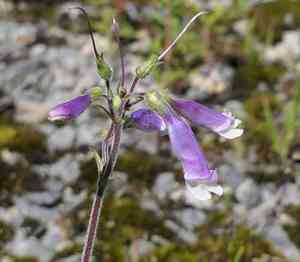
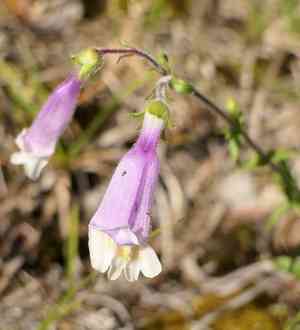
Clustered lavender-violet trumpet-shaped flowers with distinctive whitish lips
2
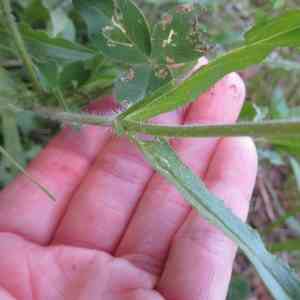
Hairy stem structure with multiple erect stems emerging from a rhizome base
3
Tufted sterile stamen on each flower for unique identification
4
Oppositely arranged, lance-shaped leaves with toothed margins and hirsute texture
5
Slender flower measuring around 1 inch (2.5 cm) in length
Scientific Classification of Hairy Beardtongue
Phylum
Vascular plants
Class
Dicotyledons
Order
Lamiales
Family
Plantain
Genus
Penstemon
Species
Hairy Beardtongue
Planting and Growing of Hairy Beardtongue
Care Difficulty
Easy
Watering Schedule
Every 2 days
Sunlight Requirements
Full sun
Sunshine Duration
10-12 hours
Ideal Temperature
60-75℉
Soil Type
Potting Mix, Peat Mix
Soil pH
6.5-7.5
Fertilizer Type
Balanced
Pruning Season
Spring, Summer
Pruning Area
Branches, Leaves
Pruning Frequency
2 times a year
Repotting Season
Spring
Pot Type
Plastic, Ceramic
 How to Water Hairy Beardtongue?
Penstemon hirsutus needs around 250 ml of water per session. It's important to soak the soil deeply until you notice moisture beginning to exit through drainage holes. This ensures that the roots receive adequate hydration without causing waterlogging.
What are the symptoms of an underwatered Hairy Beardtongue?
›
What should I do if my Hairy Beardtongue is not getting enough water?
›
What are the symptoms of an overwatered Hairy Beardtongue?
›
How to save an overwatered Hairy Beardtongue?
›
 What Are the Sunlight Requirements for Hairy Beardtongue?
Penstemon hirsutus flourishes with 6 to 8 hours of bright light each day. Proper lighting energizes photosynthesis, boosts chlorophyll production, and supports flowering and vibrant leaf development.
More About Sunlight Requirements Techniques→
How much sunlight does it need?
›
How to ensure ideal light conditions?
›
Benefits of ideal lighting?
›
 What Is the Ideal Temperature Range for Hairy Beardtongue?
The ideal temperature range for Penstemon hirsutus is between 60°F and 75°F. This range ensures optimal growth and flowering. Maintaining consistent temperatures within this range helps the plant to thrive and facilitates its adaptation to external environmental factors. During this phase, the plant develops robustly and colors are at their most vibrant.
 What Soil is Best for Hairy Beardtongue?
Penstemon hirsutus thrives in well-drained soil, which prevents root rot and allows the plant's roots to access oxygen efficiently. This encourages healthy plant growth and ensures a robust flowering season. Providing nutrient-rich soil is crucial for healthy leaf production and vibrant blooms. A soil replete with organic matter can sustain the plant's nutritional needs throughout the growing season. While it can tolerate dry conditions once established, Penstemon hirsutus appreciates moderate moisture levels during its growth period. Consistent water availability ensures the plant can maintain its foliage and vibrant blooms.
 How to Fertilize Hairy Beardtongue?
For Penstemon hirsutus, apply liquid fertilizer diluted to half the recommended strength, as this plant prefers a more balanced approach. Be careful not to over-fertilize, as this can harm the roots. For solid fertilizers, use approximately 2 tablespoons per plant, spreading evenly around the base, and lightly mix with the topsoil.
 How to Prune Hairy Beardtongue?
Start by examining your Penstemon hirsutus for any dead or diseased stems. Remove these first to prevent the spread of any ailments and to open up the plant for new growth. Gently shape the plant by cutting back old flower stems to the base and trimming any excessively leggy branches. This should help maintain an attractive form and stimulate fuller lateral growth. After the flowering period, deadhead spent blooms by cutting just above the first pair of strong, healthy leaves to encourage more blooms later in the season.
More About Pruning Techniques→
 How to Propagate Hairy Beardtongue plant?
1
Harvest seeds from mature Penstemon hirsutus plants when seed pods turn brown and dry. Ensure seeds are thoroughly dried before storing or planting.
2
Select healthy, non-flowering stems and cut them into 4-6 inch segments. Remove leaves from the lower half of the cuttings and dip the ends in rooting hormone to promote root growth.
3
During late spring, carefully dig up mature Penstemon clumps and use a sharp knife to divide them into smaller sections, ensuring each has roots attached, for immediate replanting.
 How to Repot Hairy Beardtongue plant?
1
You know it's time to repot your Penstemon hirsutus when its roots begin to circle the pot's interior or poke through drainage holes. Additionally, if water is not absorbed quickly due to dense root mass, or the plant appears top-heavy, repotting is necessary.
2
Select a pot that is 1 to 2 inches larger in diameter than the current one, ensuring it has ample drainage holes. This new pot should promote healthy root growth without overwhelming the plant, providing the right balance between space and manageable moisture retention.
3
Opt for a well-draining soil mix rich in organic matter and including perlite. This will ensure proper drainage and aeration for the roots, mimicking the plant's native rocky conditions and preventing root rot while encouraging robust growth.
Learn More About Hairy Beardtongue Diseases
Anthracnose
Bacterial Leaf Spot
Bacterial Soft Rot
Bacterial Wilt
Crown Gall
Cyst Nematode
Damping-off
Downy Mildew
Drought Stress
Fusarium Wilt
Gray Mold
Leaf Spot
Mosaic
Nutrient Deficiency
Nutrient Toxicity
Powdery Mildew
Root Rot
Root-knot Nematode
Rusts
Sooty Mold
Spider Mites
Temperature Stress
Thrips Damage
White Mold



