How Much Sunlight Do Bellflower beardtongue Need?
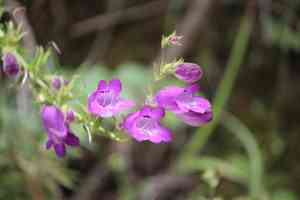
1
Bellflower beardtongue flourishes with more than six hours of daily sun exposure.
2
If cultivated in partial shade, Bellflower beardtongue might exhibit reduced flowering.
3
Periodically check your Bellflower beardtongue to confirm it's getting the ideal amount of light.
Bellflower Beardtongue's Sunlight Requirements
Optimal Light Conditions
Understanding the best light conditions for your Bellflower beardtongue is vital for its robust development and vibrant flowering. This resilient perennial thrives in full sun, meaning it needs over six hours of direct sunlight daily. While tough, providing ideal light will boost its growth and bloom production.
Full Sun vs. Partial Shade
Although Bellflower beardtongue can endure partial shade, receiving 3 to 6 hours of daily sunlight, it truly flourishes in full sun. With less light, you might observe fewer flowers and somewhat stunted growth. Therefore, placing your plant where it can soak up sunlight for most of the day is perfect.
Prime Locations for Cultivating Bellflower Beardtongue
Outdoor Planting Spots
For outdoor planting, select a spot where your Bellflower beardtongue can get ample sunlight, such as a south-facing garden bed. Ensure the soil drains well to prevent waterlogging, which can harm the plant. Elevated beds and areas with good air circulation are excellent choices.
Indoor Cultivation Advice
Growing Bellflower beardtongue indoors demands careful placement to ensure sufficient light. Position the plant near a south or west-facing window for maximum sun exposure. If natural light is inadequate, consider using grow lights to supplement, ensuring the plant receives about 12 to 16 hours of light daily.
Indications of Excessive or Insufficient Sunlight
Symptoms of Overexposure
Too much sunlight can appear as scorched leaves, looking brown and brittle, especially at the edges. If your Bellflower beardtongue shows these signs, consider offering some afternoon shade or moving it to lessen direct exposure during peak sun hours.
Signs of Inadequate Sunlight
Insufficient sunlight typically leads to leggy growth, fewer blossoms, and pale foliage. If you notice these symptoms, move your plant to a brighter location or improve lighting conditions with artificial lights to meet its sun requirements.
Adjusting Light for Healthier Development
Managing Seasonal Variations
Seasonal changes can affect the amount of sunlight your Bellflower beardtongue receives. During shorter winter days, supplement natural light with artificial grow lights to maintain consistent light levels. In summer, ensure the plant isn't overexposed by providing partial shade during the hottest parts of the day.
Utilizing Artificial Illumination
Artificial lighting can be transformative for indoor Bellflower beardtongue cultivation. Full-spectrum grow lights mimic natural sunlight and are perfect for delivering the necessary light intensity. Position these lights approximately 30-45 cm (12-18 inches) above the plant and operate them for about 12-16 hours daily.
Common Questions Regarding Bellflower Beardtongue and Light
Can Bellflower beardtongue survive in complete shade?
While it can endure full shade, Bellflower beardtongue will not flourish or produce many flowers. For optimal results, aim for at least 3 hours of daily sunlight.
How can I shield Bellflower beardtongue from intense sun?
To protect your Bellflower beardtongue from strong sunlight, particularly during peak afternoon hours, consider using shade cloths or placing the plant where it gets filtered light. This protection can prevent leaf burn and excessive dehydration.



