The Bellflower beardtongue Plant Advantage: Maximizing Home and Office Appeal and Wellness
1
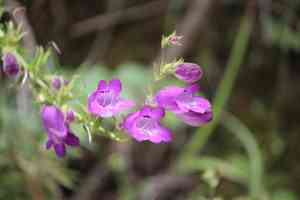
Bellflower beardtongue, a beautiful perennial, is recognized for its vivid flowers and extended blooming period.
2
This plant tolerates dry conditions and flourishes in diverse soil compositions, making it adaptable for any garden.
3
Its blossoms draw in pollinators like bees and hummingbirds, enhancing ecological variety.
Why Opt for Bellflower Beardtongue in Your Garden?
Visual Allure
A primary reason gardeners favor Bellflower beardtongue is its striking look. With its vivid, bell-shaped blooms, this plant introduces a burst of color to any garden. Its extended blooming period ensures your garden stays lively and captivating from late spring through summer. The plant's diverse hues, from pink to purple, offer lovely contrast and visual interest, making it an ideal focal point or companion plant.
Effortless Upkeep
Bellflower beardtongue is renowned for its resilience and minimal care needs. Once established, it demands little watering due to its excellent drought tolerance. This characteristic makes it a superb choice for xeriscaping or gardens in areas with limited rainfall. The plant adapts well to various soil types, from sandy to clay, provided the soil drains properly. Weeding and deadheading are the only routine tasks required to keep Bellflower beardtongue looking its best.
Ecological Advantages of Bellflower Beardtongue
Pollinator Magnet
Bellflower beardtongue plays a vital role in supporting local ecosystems by drawing in pollinators. Its tubular blossoms are a favorite among bees, butterflies, and hummingbirds, aiding pollination and contributing to the well-being of these species. By cultivating Bellflower beardtongue, gardeners can help foster biodiversity and sustain the populations of these crucial creatures.
Erosion Prevention
With its robust root system, Bellflower beardtongue effectively prevents soil erosion. Planting it on slopes or in areas prone to erosion can help stabilize the soil and reduce runoff. This capability makes it a valuable plant in both residential and commercial landscaping projects focused on soil conservation and water management.
Cultivating and Caring for Bellflower Beardtongue
Planting Advice
Selecting the correct site is crucial for the successful growth of Bellflower beardtongue. It thrives in full sun but can endure partial shade. Planting should occur in well-drained soil enriched with organic matter to supply essential nutrients. Space plants appropriately to ensure adequate air circulation and development.
Watering and Feeding
While Bellflower beardtongue is drought-tolerant, it benefits from consistent watering during dry spells, especially in its initial growing season. Watering should be deep and infrequent to encourage root development. Fertilization is generally unnecessary, but a light feeding in early spring with a balanced fertilizer can promote vigorous growth and flowering.
Landscape Applications of Bellflower Beardtongue
Borders and Edges
Bellflower beardtongue is an excellent option for creating borders and edging in garden beds. Its height and bushy growth form a natural barrier, adding structure and definition to outdoor spaces. When planted in groups, it creates a striking visual impact that can guide the eye and enhance the landscape's aesthetic.
Wildlife Habitats
In wildlife gardens, Bellflower beardtongue excels by providing shelter and sustenance for pollinators. Incorporating it into native plant gardens or naturalized areas can attract a diverse array of species, from beneficial insects to birds. This plant's ability to flourish with minimal intervention also aligns well with sustainable gardening principles, making it a perfect choice for eco-conscious gardeners.
Common Issues and Solutions for Growing Bellflower Beardtongue
Pest and Disease Resistance
One of the many benefits of Bellflower beardtongue is its resilience to most pests and diseases. However, it can occasionally be affected by aphids, spider mites, or fungal infections like powdery mildew. Regular inspection and maintaining good air circulation can help prevent these problems. If pests are found, a strong stream of water or insecticidal soap can effectively manage infestations.
Winter Care
Bellflower beardtongue is hardy in various climates but might need some protection in extremely cold regions. Mulching around the plant's base can insulate the roots and shield them from freezing temperatures. In spring, any damaged or dead foliage should be pruned to encourage new growth and maintain the plant's health and appearance.
Propagating Bellflower Beardtongue
Seed Gathering and Sowing
Propagating Bellflower beardtongue from seeds is a gratifying process. Collect seeds from mature plants in late summer or fall after the flowers have faded. Sow the seeds in a well-drained seed-starting mix and lightly cover them with soil. Keep the soil moist and place the container in a sunny spot. Germination typically occurs within a few weeks.
Division and Cuttings
Dividing mature plants is another effective propagation method. This is best done in early spring or fall. Carefully dig up the plant and separate the roots into smaller sections, ensuring each section has healthy roots and shoots. Replant the divisions immediately. Alternatively, take cuttings from new growth, rooting them in a moist, well-drained medium to create new plants.



