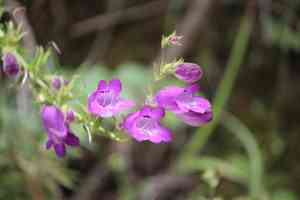
Bellflower beardtongue (Penstemon campanulatus)
Also known as: Pride of the mountain
Bellflower beardtongue (Penstemon campanulatus), native to Mexico, is an excellent choice for garden borders and rockeries due to its ease of cultivation and extended blooming period. This drought-tolerant plant thrives in both desert and alpine conditions. Its charming flowers not only add visual appeal but also attract butterflies, bees, and hummingbirds, enhancing garden biodiversity.
In This Article
Attributes of Bellflower beardtongue
Lifespan
Perennial
Plant Type
Herb, Shrub
Plant Height
60 cm to 90 cm
Spread
30 cm to 45 cm
Leaf Color
Green
Flower Size
2.5 cm
Flower Color
Purple Pink White Red Violet
Images of Bellflower beardtongue
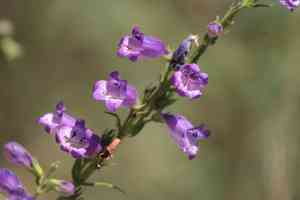
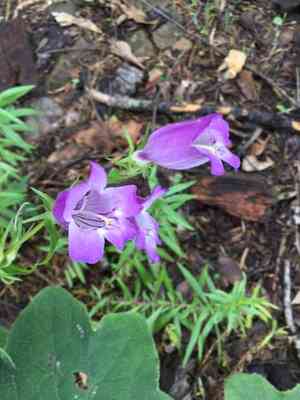
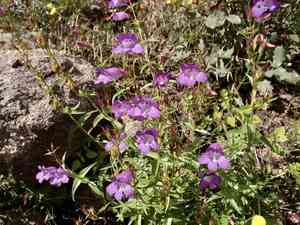
Quickly Identify Bellflower beardtongue
1
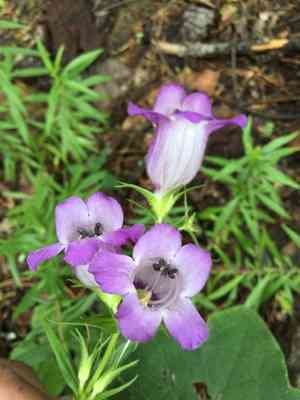
Penstemon campanulatus can be identified by its tubular, bell-shaped flowers that are usually pink to purple in color. The leaves are lanceolate and arranged oppositely along the stems. The plant tends to form clumps and can reach heights of up to 1 meter.
Scientific Classification of Bellflower beardtongue
Phylum
Vascular plants
Class
Dicotyledons
Order
Lamiales
Family
Plantain
Genus
Penstemon
Species
Bellflower beardtongue
Planting and Growing of Bellflower beardtongue
Care Difficulty
Easy
Watering Schedule
Every 4 days
Sunlight Requirements
Full sun
Sunshine Duration
10-12 hours
Ideal Temperature
60-75℉
Soil Type
Potting Mix, Peat Mix
Soil pH
6.5-7.5
Fertilizer Type
Balanced
Pruning Season
Spring, Summer
Pruning Area
Branches, Leaves
Pruning Frequency
2 times a year
Repotting Season
Spring
Pot Type
Plastic, Ceramic
 How to Water Bellflower beardtongue?
Water Penstemon campanulatus with approximately 500ml each time. Ensure that the soil is lightly but thoroughly soaked, allowing for proper drainage to prevent waterlogging of the roots. Always check the top inch of the soil to make sure it's dry before watering again.
What are the symptoms of an underwatered Bellflower beardtongue?
›
What should I do if my Bellflower beardtongue is not getting enough water?
›
What are the symptoms of an overwatered Bellflower beardtongue?
›
How to save an overwatered Bellflower beardtongue?
›
 What Are the Sunlight Requirements for Bellflower beardtongue?
This plant prefers full sun but tolerates partial sun, ideally with 6 to 8 hours of sunlight. Optimal lighting promotes abundant flowering and maintains the plant's structure, contributing to a healthy growth cycle.
More About Sunlight Requirements Techniques→
What kind of sunlight does it prefer?
›
How to position the plant for best light exposure?
›
What are the benefits of ideal light conditions?
›
 What Is the Ideal Temperature Range for Bellflower beardtongue?
For Penstemon campanulatus, the ideal temperature range for growth is between 60°F and 75°F. This range provides optimal conditions for photosynthesis and nutrient uptake, promoting healthy growth and vibrant blooms. These temperatures mirror the natural environment where this plant thrives and should be maintained for best results.
 What Soil is Best for Bellflower beardtongue?
Penstemon campanulatus thrives in well-aerated soil, which helps maintain the balance between air, water, and nutrients. This enhances root respiration and overall plant health, ensuring vibrant growth and flowering. This plant prefers soil that provides moderate drainage to prevent waterlogging. Proper drainage protects roots from rot and fosters robust plant development. A soil rich in organic matter and nutrients supports the lush development of Penstemon campanulatus. A balanced nutrient profile enhances bloom quality and plant vitality.
 How to Fertilize Bellflower beardtongue?
Penstemon campanulatus thrives on being fed lightly but consistently. Liquid fertilizer should be diluted to half its recommended strength. Apply just enough to moisten the soil without overwhelming it. This ensures that the nutrients are accessible without the risk of saturating the plant roots and causing rot. For solid or slow-release fertilizers, aim for a tablespoon of granules per square foot. Be sure to scatter them evenly and mix them into the top layer of soil to support root access.
 How to Prune Bellflower beardtongue?
Start by removing spent blossoms to prevent seed development, encourage reblooming, and maintain the plant's aesthetic appeal. Snip the stems just below the faded flowers. Shape the plant by cutting back any leggy or unruly stems to create a more compact, bushy structure. This helps maintain an attractive form and encourages healthy growth. Carefully inspect the plant for any damaged, diseased, or dead wood. Remove these parts to promote healthy new growth and prevent the spread of potential plant diseases.
More About Pruning Techniques→
 How to Propagate Bellflower beardtongue plant?
1
Fill seed trays with a well-draining seed starting mix. Sow the seeds of Penstemon campanulatus evenly on the surface, pressing them gently into the mix. Cover lightly with a thin layer of vermiculite or the starting mix.
2
Select healthy, non-flowering stems from the parent plant. Use pruning shears to cut a 4-6 inch segment just below a node. Remove the lower leaves to allow for root development.
3
Place prepared cuttings into a rooting medium, such as perlite or sand, within a container that offers high humidity. Maintain consistent moisture without waterlogging to encourage root growth.
 How to Repot Bellflower beardtongue plant?
1
Penstemon campanulatus should be repotted when you notice the roots creeping out of the drainage holes or forming a tight mass around the base of the pot. Spring is an ideal season for repotting, as the plant is beginning its growth cycle.
2
Select a pot that is one size larger than the current one, with ample drainage holes to prevent waterlogging. A clay pot is beneficial as it allows for better air circulation to the root system, reducing the risk of root rot in this native perennial.
3
Choose a well-draining potting mix, ideally one that mimics its native habitat. Mix consists of peat moss, perlite, and sand, which provides excellent aeration and prevents soil compaction, crucial for healthy root development.
Learn More About Bellflower beardtongue Diseases
Anthracnose
Bacterial Leaf Spot
Bacterial Wilt
Crown Gall
Cyst Nematode
Damping-off
Downy Mildew
Drought Stress
Fusarium Wilt
Gray Mold
Leaf Spot
Mosaic
Nutrient Deficiency
Nutrient Toxicity
Powdery Mildew
Root Rot
Root-knot Nematode
Rusts
Sooty Mold
Spider Mites
Temperature Stress
Thrips Damage
White Mold



