How Much Sunlight Do Yellow restharrow Need?
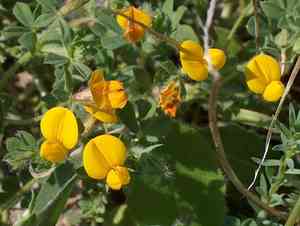
1
Yellow restharrow flourishes in direct sunlight but can endure some shade.
2
A minimum of 6 hours of unfiltered daylight is required for this plant daily.
3
Observing light levels and the plant's response is crucial for its best development.
Optimal Light Conditions for Yellow restharrow
Full Sun Requirements
For peak development, Yellow restharrow needs ample sunlight, specifically a minimum of 6 hours of direct sun daily. Positioning this plant where it can absorb sunlight without obstruction ensures it gets sufficient energy for photosynthesis. Ideal spots include south-facing garden areas, where light is most plentiful. Full sun exposure not only promotes vigorous growth but also encourages the plant's characteristic vibrant yellow blooms.
Partial Sun Conditions
Although Yellow restharrow thrives best in full sun, it can also tolerate partial sun. This means it can receive about 3 to 6 hours of direct sunlight, complemented by indirect or shaded light for the remainder of the day. In gardens with limited sun due to trees or urban structures, placing your Yellow restharrow where it gets morning or late afternoon sun can be beneficial. However, note that reduced light might slow growth and potentially impact flowering.
Seasonal Light Needs
Yellow restharrow's light requirements vary throughout the year, adapting to seasonal shifts. In summer, with longer daylight hours, the plant benefits from extended sun exposure, promoting lush growth and abundant flowers. Conversely, in winter, shorter days and less sunlight mean the plant's growth may decelerate. During these months, ensure the plant still receives as much light as possible by placing it in the brightest available spot or considering supplemental lighting.
Evaluating and Adjusting Light Levels for Yellow restharrow
Observing Plant Behavior
One of the best ways to gauge if your Yellow restharrow is getting the right amount of sunlight is by observing its condition. Healthy plants will show strong growth, vivid green leaves, and frequent blooms. If you notice the plant is leggy, with stretched stems and sparse foliage, it may indicate insufficient light. Conversely, scorched leaves or wilting can signal too much sunlight. Regularly inspect the plant and adjust its placement based on these visual cues.
Utilizing Artificial Lighting
When natural sunlight is inadequate, especially in winter or shaded gardens, artificial lighting can be a viable solution. Grow lights can effectively supplement the light needs of Yellow restharrow. Ensure the light spectrum includes both red and blue wavelengths, crucial for photosynthesis. Position the grow light approximately 30-45 centimeters (12-18 inches) above the plant and keep it on for 12-16 hours daily to mimic natural sunlight conditions.
Optimizing Garden Layout
Arranging your garden layout effectively can ensure Yellow restharrow receives the necessary sunlight. Avoid planting it near tall plants or trees that might cast shadows. Instead, place it in a south or west-facing direction, which typically gets more sunlight. Additionally, consider elevating the plant or using reflective surfaces like garden mirrors to maximize light exposure. Thoughtful garden planning can significantly improve the growth conditions for your Yellow restharrow.
Common Sunlight-Related Issues for Yellow restharrow
Symptoms of Excessive Sunlight
While Yellow restharrow thrives in full sun, too much exposure, especially in very hot climates, can cause problems. Symptoms of excessive sunlight include leaf burn, where edges turn brown and crisp, and wilting despite adequate watering. To alleviate these effects, consider using a shade cloth during peak sun hours, particularly in the afternoon, or moving the plant to a slightly shadier location.
Symptoms of Insufficient Sunlight
Inadequate sunlight can lead to poor plant health. If Yellow restharrow doesn't receive enough light, it may display elongated stems, smaller or fewer flowers, and less vibrant foliage. The plant may also become more vulnerable to pests and diseases due to a weakened state. Ensuring at least 6 hours of direct sunlight daily can prevent these issues. If natural light is scarce, supplementing with artificial light as discussed can help maintain plant health.
Preventive Measures
Preventive actions are crucial for maintaining the optimal health of your Yellow restharrow. Regularly monitor the plant's light exposure and adjust its position as needed. During extremely hot days, provide temporary shade to prevent sunburn. In darker months, use artificial lights to sustain growth. Proper spacing, reflective materials, and a well-planned garden layout can avert most sunlight-related problems. By proactively managing light conditions, you can ensure your Yellow restharrow remains healthy and thriving year-round.



