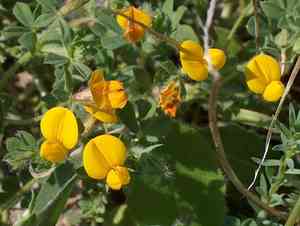
Yellow restharrow (Ononis natrix)
Also known as: Large yellow restharrow
The name "restharrow," referring to plants like Ononis natrix, originates from their hardy root systems. Native to Europe and the Mediterranean, these plants bear bright yellow, bonnet-shaped flowers. Historically, the tenacious roots of restharrow would hinder the progress of a harrow, a farming tool used to smooth and break up soil post-plowing, thereby "arresting" its movement.
In This Article
Attributes of Yellow restharrow
Lifespan
Perennial
Plant Type
Shrub
Plant Height
50 cm to 1 m
Spread
10 cm to 50 cm
Leaf Color
Green
Flower Size
1.5 cm to 2 cm
Flower Color
Yellow
Images of Yellow restharrow
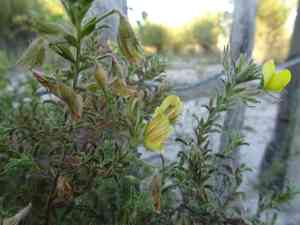
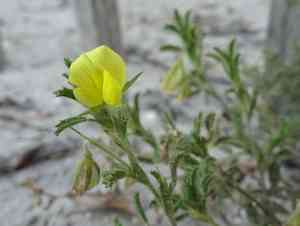
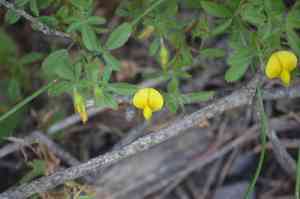
Quickly Identify Yellow restharrow
1
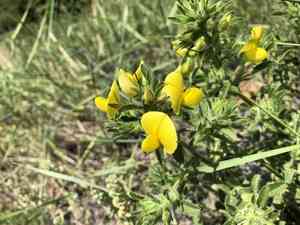
Ononis natrix can be identified by its bright yellow flowers, which appear from late spring to summer. The plant has trifoliate leaves with obovate leaflets, showing fine hairs and sometimes sticky glands. The stems are often woody at the base and covered with glandular hairs.
Scientific Classification of Yellow restharrow
Phylum
Vascular plants
Class
Dicotyledons
Order
Fabales
Family
Legume
Genus
Ononis
Species
Yellow restharrow
Planting and Growing of Yellow restharrow
Care Difficulty
Easy
Watering Schedule
Every 2 days
Sunlight Requirements
Full sun
Sunshine Duration
4-6 hours
Ideal Temperature
59-77℉
Soil Type
Potting Mix, Peat Mix
Soil pH
6.5-7.5
Fertilizer Type
Balanced
Pruning Season
Spring, Summer
Pruning Area
Branches, Leaves
Pruning Frequency
Once a year
Repotting Season
Spring
Pot Type
Plastic, Ceramic
 How to Water Yellow restharrow?
Ononis natrix, commonly known as the restharrow, requires watering such that the soil is kept consistently moist but not waterlogged. Providing 500 ml of water ensures the soil is hydrated to an optimal depth, maintaining healthy root growth while avoiding the risk of root rot.
What are the symptoms of an underwatered Yellow restharrow?
›
What should I do if my Yellow restharrow is not getting enough water?
›
What are the symptoms of an overwatered Yellow restharrow?
›
How to save an overwatered Yellow restharrow?
›
 What Are the Sunlight Requirements for Yellow restharrow?
Ononis natrix flourishes in a light range of partial to full sun, receiving 4 to 8 hours of sunlight daily. Adequate light supports its structural development and flowering, essential for vibrant health and resilience against environmental stresses.
More About Sunlight Requirements Techniques→
What is the ideal lighting for Ononis natrix?
›
How can you ensure optimal light for Ononis natrix?
›
What are the benefits of adequate light for Ononis natrix?
›
 What Is the Ideal Temperature Range for Yellow restharrow?
The optimal growth temperature for Ononis natrix is between 59°F and 77°F. Within this range, the plant can efficiently perform photosynthesis and other metabolic processes, leading to healthy growth and development. It is crucial to maintain these temperatures to prevent stress and ensure the plant remains vigorous.
 What Soil is Best for Yellow restharrow?
Ononis natrix thrives in well-drained soil, which prevents waterlogging and root rot. This feature ensures the roots have ample oxygen, supporting healthy growth and vibrant blooms. This plant is adapted to thrive in nutrient-poor soils, which reduces the need for frequent fertilization. This characteristic makes it an excellent choice for low-maintenance gardeners. Ononis natrix prefers soil that retains some moisture but isn't soggy. Maintaining moderate soil moisture ensures the plant receives adequate water without drowning its roots.
 How to Fertilize Yellow restharrow?
Ononis natrix, commonly known as the yellow restharrow, benefits from moderate fertilization. During the growing season, aim to provide a balanced 10-10-10 NPK fertilizer at half the recommended dose to avoid over-fertilization. For liquid fertilizers, mix about 1 tablespoon per gallon of water and use as directed.
 How to Prune Yellow restharrow?
Begin by inspecting the plant for dead or damaged branches and remove these first, cutting back to healthy tissue. Next, thin out any overcrowded areas by removing the least robust stems, fostering better air circulation and light penetration. Always make pruning cuts at a slight angle. After pruning, water the plant to help it recover and ensure that it receives adequate sunlight. Consider applying a light layer of mulch to retain moisture and suppress weeds.
More About Pruning Techniques→
 How to Propagate Yellow restharrow plant?
1
Collect seeds from mature Ononis natrix plants. Soak seeds in warm water for 24 hours to soften their coats, enhancing germination rates when planted.
2
Select healthy and non-flowering shoots from the parent plant. Cut a segment approximately 10-15 cm in length, ensuring a clean cut below a leaf node.
3
Dip the cut end of the cutting into rooting hormone, which encourages root development. Then, plant it into a pot filled with the prepared potting mix, firming the soil around the base.
 How to Repot Yellow restharrow plant?
1
Ononis natrix signals it's time for repotting when roots start to appear through the drainage holes, growth slows noticeably, or soil becomes compacted. These signs indicate the plant's need for more space or fresh soil to thrive. The ideal time for repotting is during its active growing seasons, spring or early summer, to minimize stress and promote rapid recovery.
2
Select a pot that is one size larger than the current one, ensuring sufficient space for root growth and proper drainage. A pot with drainage holes prevents waterlogging, reducing the risk of root rot. Using a terracotta pot can also provide breathability to the roots, promoting a healthier environment for your Ononis natrix.
3
Opt for a well-draining soil mix rich in sand and organic matter to mimic its native Mediterranean habitat. This type of soil prevents root rot by allowing excess water to escape easily, thus providing the necessary conditions for healthy growth. It also helps retain nutrients, supporting the plant's overall health.
Learn More About Yellow restharrow Diseases
Anthracnose
Bacterial Leaf Spot
Bacterial Wilt
Crown Gall
Cyst Nematode
Damping-off
Downy Mildew
Drought Stress
Fusarium Wilt
Gray Mold
Leaf Curl
Leaf Spot
Mosaic
Nutrient Deficiency
Nutrient Toxicity
Powdery Mildew
Root Rot
Root-knot Nematode
Rusts
Sooty Mold
Spider Mites
Temperature Stress
Thrips Damage
White Mold



