How to Prune Yellow restharrow?
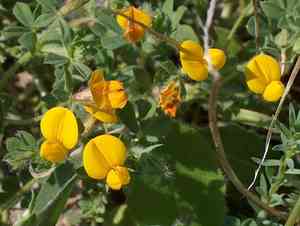
Yellow restharrow, a robust herbaceous perennial, is recognized for its vivid yellow blossoms and spreading growth pattern. Trimming should occur in late winter or early spring to preserve the plant's vitality and form. Reduce stems to just above emerging growth or to the ground for revitalization. This practice not only fosters denser foliage and increased flowering but also aids in controlling its dimensions and averting ailments by improving air circulation. A conservative pruning strategy is advised for this species.
What Are the Benefits of Pruning Yellow Restharrow?
What Are the Benefits of Pruning Yellow Restharrow?
Trimming yellow restharrow promotes robust development and helps maintain its desired form, enhancing its aesthetic appeal and ensuring a strong framework.
What Is the Best Time for Pruning Yellow Restharrow?
What Is the Best Time for Pruning Yellow Restharrow?
Pruning yellow restharrow in late winter and early spring is optimal as this period aligns with the plant's dormant phase before new growth emerges. This timeframe is after the most severe winter weather but prior to yellow restharrow initiating its active growth and blooming cycle. Late winter pruning helps prevent frost damage to fresh cuts, while ensuring that pruning wounds heal quickly once growth begins. Early spring pruning directs the plant's energy towards developing new, healthy growth, and aids in preserving yellow restharrow's desired shape and vitality. It also enables gardeners to remove any dead or damaged branches that may have occurred over winter, reducing disease risk. Furthermore, it avoids cutting off developing buds, which would diminish the plant's bloom and fruit production in its upcoming cycle.
What Tools Do I Need to Prune Yellow Restharrow?
Hand Pruners
Perfect for clipping stems and small branches up to 3/4 inch thick. Their size and precision make them suitable for trimming yellow restharrow without harming the plant.
Loppers
Effective for cutting thicker branches that hand pruners cannot manage, especially when yellow restharrow has matured and developed woodier stems.
Pruning Saw
Essential for cutting branches over 1 1/2 inches thick when yellow restharrow is severely overgrown or requires significant shaping.
Gardening Gloves
Protective gloves will shield hands from thorns and rough branches when handling yellow restharrow.
Sharpening Tool
Keeping blades sharp ensures clean cuts, which are crucial for yellow restharrow's health.
How to Prune Yellow Restharrow
Disinfect
Before starting to prune yellow restharrow, sanitize all pruning tools with a solution of 1 part bleach to 9 parts water to prevent disease spread.
Remove diseased leaves
Carefully inspect yellow restharrow for any diseased leaves. Using sterilized scissors or secateurs, snip off the diseased leaves at the stem's base, ensuring not to tear or damage the plant.
Prune withered leaves
Look for withered leaves that are brown or yellow and no longer contribute to yellow restharrow's growth. Gently remove these leaves by cutting them off at the base to encourage healthy new foliage.
Cut dead branches
Identify dead branches on yellow restharrow by their dry, brittle nature and lack of green inside when scratched. Using sharp, sterilized pruning shears, make clean cuts on dead branches at their point of origin or back to a main stem, ensuring cuts are angled to allow water runoff.
Eliminate diseased branches
Spot diseased branches on yellow restharrow by their discolored bark or lack of leaf growth. Carefully excise these branches as close to the trunk as possible without damaging the collar. Seal any large wounds on yellow restharrow to protect against pests and diseases.
Common Pruning Mistakes with Yellow Restharrow
Overpruning
Removing too much foliage from yellow restharrow can weaken the plant, reduce its ability to photosynthesize, and impair its growth and flowering potential.
Cutting at wrong angle
Incorrect cutting angles may cause unnecessary damage to yellow restharrow, leading to potential disease entry points and inhibiting healing.
Using dull tools
Dull pruning tools can damage yellow restharrow's branches and stems, creating jagged cuts that are more susceptible to pests and diseases.
Pruning too close to buds
Trimming too close to the buds can damage them, which may prevent yellow restharrow from flowering properly.
Ignoring diseased material
Failing to remove diseased or dead material can allow the disease to spread throughout yellow restharrow, impacting overall health and vigor.
Common Pruning Tips for Yellow Restharrow
Clean cut
Make clean, sharp cuts at a 45-degree angle a few millimeters above the buds to encourage healthy new growth without damaging the buds.
Sterilize pruning tools
Sterilize pruning tools before and after use to prevent the spread of disease among plants, particularly when working with yellow restharrow.
Prune dead material
Regularly remove dead, diseased, or crossing branches to maintain yellow restharrow's health and improve air circulation within the foliage.
Consider plant structure
Prune yellow restharrow by considering its natural growth habit for a balanced structure. Avoid heavy pruning and strive to maintain the plant's shape.
Encourage new growth
Lightly prune yellow restharrow to encourage new growth and flowering, focusing on removing just the tips of the branches and spent blooms to stimulate rejuvenation.



