How Much Sunlight Do Southern rata Need?
1
For best development, Southern rata thrives in full sun, requiring a minimum of 6 hours of direct sunlight each day.
2
Providing adequate light levels greatly improves Southern rata's photosynthetic capacity and general well-being.
3
Southern rata can endure partial sun, but moving it from dim to bright conditions should be gradual to avoid shocking the plant.
Ideal Light Requirements for Southern rata
Preferred Sun Exposure
For your Southern rata to flourish, providing it with the perfect sun exposure is vital. This beautiful evergreen tree, native to New Zealand, thrives in full sun, meaning it needs at least 6 hours of direct sunlight daily. Placing your plant in such a setting is crucial for its vibrant blossoms and overall development.
Light Strength Preferences
The intensity of light plays a key role in your Southern rata's well-being. While full sun is optimal, the light should not be overly harsh or too dim. In areas with very strong sun, like during summer afternoons, some partial shade can be beneficial to prevent leaf scorching and overheating. Conversely, environments with insufficient light levels may impede the plant's growth.
Daily Sun Duration
Southern rata needs a minimum of 6 hours of sunlight each day. However, during its growth phase, the plant can benefit from up to 8-10 hours of light. Effectively managing daylight periods by understanding seasonal shifts can help your Southern rata bloom beautifully.
Light's Influence on Southern rata Development
Photosynthesis Effectiveness
Sunlight is the main catalyst for photosynthesis, the process where plants convert light into energy. For Southern rata, adequate sunlight ensures the plant can produce the necessary sugars and energy for growth. In full sunlight, this process's efficiency is maximized, leading to stronger and healthier plants.
Blossoming and Fruit Production
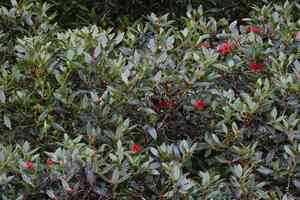
Light exposure significantly impacts Southern rata's capacity to flower and bear fruit. A well-lit environment promotes abundant blooming, which is a delightful sight with its bright red flowers. Furthermore, proper sunlight ensures the plant can fruit, enhancing its ornamental and ecological value.
Overall Plant Vitality
Overall health reflects how well your Southern rata is cared for, and sunlight is a crucial element. Sufficient sunlight encourages robust growth, stronger branches, and disease resistance. However, too little light can result in a weak, spindly plant, and too much risks sunburn. Finding the correct balance is essential.
Adjusting Southern rata to Various Light Conditions
Moving from Low to High Light
If your Southern rata has been growing in low light, it's important to gradually move it to brighter conditions. Sudden changes can stress the plant, causing leaf drop or sunburn. Slowly increase light exposure over one to two weeks, starting with early morning or late afternoon sun.
Managing Low Light Environments
While Southern rata thrives best in full sunlight, it tolerates partial sun, which means about 3-6 hours of light. If full sunlight isn't possible, place the plant where it receives morning sun combined with afternoon shade. This setting can still support healthy growth, though at a slower rate.
Utilizing Artificial Illumination
When natural sunlight is insufficient, artificial lighting can be a viable option. Full-spectrum grow lights can replicate the necessary sunlight for Southern rata to flourish. Position these lights approximately 30-60 cm (12-24 inches) above the plant and provide light for 8-10 hours daily to mimic natural conditions.



