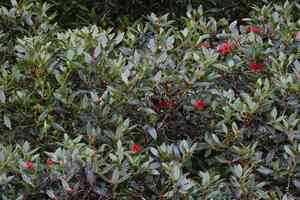
Southern rata (Metrosideros umbellata)
Also known as: Southern Rātā
Metrosideros umbellata is a beautiful flowering tree with more than 15 cultivars released. It's the most common tree in the South Island of New Zealand and its nectar is a valuable source for honey production. Metrosideros umbellata is a hardy tree once it's established, but young plants should be protected from frost.
In This Article
Attributes of Southern rata
Lifespan
Perennial
Plant Type
Tree
Plant Height
15 m
Spread
2.5 m to 3.5 m
Leaf Color
Glossy green
Flower Size
2-3 centimeters
Flower Color
Yellow Red Pink
Images of Southern rata
Quickly Identify Southern rata
1
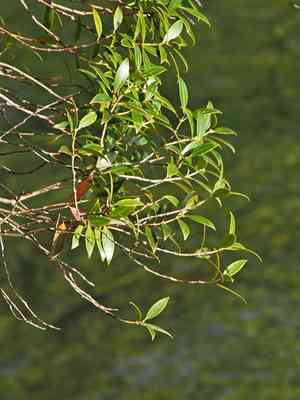
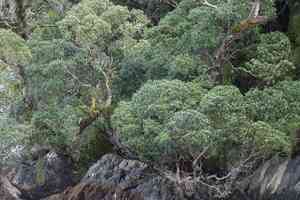
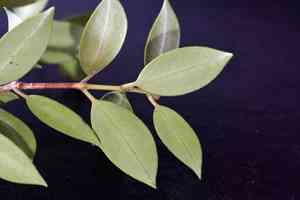
To identify Metrosideros umbellata, look for a tree with leathery leaves, distinctive bright red flowers in dense clusters, and a rough, brown bark. The leaves are glossy and oval-shaped.
Scientific Classification of Southern rata
Phylum
Vascular plants
Class
Dicotyledons
Order
Myrtales
Family
Myrtle
Genus
Metrosideros
Species
Southern rata
Planting and Growing of Southern rata
Care Difficulty
Moderate
Watering Schedule
Every 3 days
Sunlight Requirements
Partial sun
Sunshine Duration
6-10 hours
Ideal Temperature
50-70℉
Soil Type
Potting Mix, Peat Mix
Soil pH
6.5-7.5
Fertilizer Type
Balanced
Pruning Season
Spring, Summer
Pruning Area
Branches, Leaves
Pruning Frequency
2 times a year
Repotting Season
Spring
Pot Type
Plastic, Ceramic
 How to Water Southern rata?
Metrosideros umbellata requires a balanced approach to watering. When you water, aim to provide about 500 ml to ensure the soil is thoroughly moistened but not waterlogged. The idea is to mimic the plant's natural habitat, where it receives ample rain followed by a dry period. Make sure the water penetrates deeply to reach the root system, ensuring healthy growth without causing rot.
What are the symptoms of an underwatered Southern rata?
›
What should I do if my Southern rata is not getting enough water?
›
What are the symptoms of an overwatered Southern rata?
›
How to save an overwatered Southern rata?
›
 What Are the Sunlight Requirements for Southern rata?
The ideal light range for Metrosideros umbellata includes both partial sun and full sun conditions, suitable for its needs. Ideal lighting encourages efficient photosynthesis, resulting in vibrant foliage and resilient growth.
More About Sunlight Requirements Techniques→
How much light is ideal for Metrosideros umbellata?
›
How can I ensure Metrosideros umbellata gets the proper light?
›
Why is proper lighting important for Metrosideros umbellata?
›
 What Is the Ideal Temperature Range for Southern rata?
For Metrosideros umbellata to thrive, maintaining an ideal temperature range between 50°F to 70°F is crucial. This range supports optimal growth, ensures healthy foliage, and encourages flowering. Deviations from this range may lead to stress, affecting the plant's health and growth rate.
 What Soil is Best for Southern rata?
Metrosideros umbellata thrives in well-drained soils that allow excess water to flow away. This prevents root rot and other moisture-related problems, ensuring the plant's health and promoting vigorous growth. Having nutrient-rich soil is vital for the robust growth of Metrosideros umbellata. The plant benefits from essential nutrients, which lead to lush foliage and vibrant blooms, enhancing its ornamental appeal. While the soil should be well-drained, it should also retain enough moisture to sustain the plant during dry periods. This balance is crucial for the plant's survival in various climate conditions.
 How to Fertilize Southern rata?
For Metrosideros umbellata, it's recommended to use a balanced 10-10-10 liquid fertilizer at half the standard strength. This means mixing 10 ml of the fertilizer per liter of water. When using granular slow-release fertilizers, 50 grams should be sprinkled evenly around the base of the plant.
 How to Prune Southern rata?
Examine the Metrosideros umbellata for any dead, damaged, or crossing branches. Start by removing these to promote airflow and sunlight penetration, which encourages vigorous growth of the healthy parts. To maintain a desired shape and size, focus on thinning out excess branches, especially those located inside the canopy. This prevents overcrowding and supports balanced growth. Cut back to a lateral bud or branch to guide new growth directions.
More About Pruning Techniques→
 How to Propagate Southern rata plant?
1
Harvest seeds from mature Metrosideros umbellata plants during fall. Ensure the seeds are fully ripe; they will be small and brown. It's important to dry them before sowing to prevent mold growth.
2
Select healthy, non-flowering stems from the plant for cuttings during late spring. Cut sections about 10 cm long, ensuring you take from just below a leaf node.
3
Use a well-draining potting mix for both seeds and cuttings. A mix with sand, perlite, and peat can help maintain moisture without becoming waterlogged.
 How to Repot Southern rata plant?
1
Metrosideros umbellata should be repotted when its roots begin to circle the pot, indicating that the plant has outgrown its current home. This typically manifests as roots emerging through drainage holes or noticeable slowdown in growth, and these are prime signals to repot.
2
Choose a pot that is 2 inches larger in diameter than the current one to allow for growth. It should have ample drainage holes to prevent waterlogging, which can lead to root rot. This choice promotes healthy root expansion and aligns with the plant's natural growth tendencies.
3
Opt for a well-draining, acidic soil mix enriched with organic matter. This composition helps ensure adequate aeration and moisture retention while providing the necessary acidity to support the plant’s nutritional needs and mimic its native habitat conditions.



