How to Prune Southern rata?
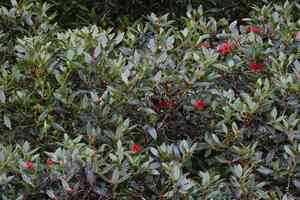
Distinguished by its vibrant scarlet blossoms and resilient disposition, southern rata flourishes with infrequent trimming, primarily for shaping and excising deceased or ailing branches. The most suitable period for pruning is in winter, following its blooming phase, to prevent interference with its flowering rhythm and foster robust spring development. Trimming not only preserves an appealing structure but also stimulates more robust, thicker foliage. Considering its growth pattern, judicious thinning improves light access and air movement, which are crucial for southern rata's general well-being.
Advantages of Trimming Southern Rata
Advantages of Trimming Southern Rata
Trimming southern rata promotes more vigorous development by channeling energy to crucial areas, resulting in a robust structure. Regular shaping helps maintain its desired form, enhancing both vitality and appearance.
Optimal Time for Pruning Southern Rata
Optimal Time for Pruning Southern Rata
Pruning southern rata from late winter to early spring is ideal as the plant is typically dormant. This timing allows for the removal of dead or diseased branches and shaping without causing undue stress. Additionally, this schedule avoids disrupting the late spring to summer blooming phase of southern rata, ensuring flowering is not negatively impacted. Pruning outside this window, especially during active growth or flowering, can lead to reduced blooming and weaken the plant's overall vitality. Following this schedule helps southern rata recover more effectively, directing energy towards producing new, healthy growth.
Tools Required for Pruning Southern Rata
Hand Pruners (Secateurs)
Perfect for making clean, precise cuts on smaller branches of southern rata, which helps maintain plant health and shape.
Loppers
Useful for reaching higher branches and making clean cuts on branches too thick for hand pruners but not excessively large.
Pruning Saw
Essential for cutting thicker branches that hand pruners and loppers cannot handle, important to avoid tearing the bark or damaging southern rata.
Pole Pruner
Helpful for safely pruning higher branches of southern rata without a ladder, beneficial for both gardener safety and plant health.
How to Prune Southern Rata
Identification
Identify and mark dead or diseased branches on southern rata as they pose a risk to its overall health. Look for branches showing discoloration, lack of leaves, or visible damage.
Sanitation
Sterilize your pruning tools with a solution of 1 part bleach to 9 parts water to prevent disease spread while pruning southern rata.
Cutting
Use sharp, clean pruning shears or a saw, depending on branch thickness. Make cuts on dead or diseased branches of southern rata at a slight angle, just above a healthy bud, leaf node, or lateral branch.
Disposal
Remove all trimmed material from southern rata and dispose of it away from healthy plants to prevent any potential disease spread.
Wound care
Apply a wound sealing product if cuts are on branches larger than an inch in diameter to protect southern rata from infection and pests.
Common Pruning Errors with Southern Rata
Overpruning
Removing too much foliage can stress southern rata, leading to poor health and reduced flowering. It's vital to prune no more than one-third of the plant at a time.
Flush cuts
Making pruning cuts flush against main branches can create wounds susceptible to disease and pests. Instead, cuts should be made just above the branch collar.
Improper tools
Using dull or dirty tools can cause jagged cuts and introduce diseases. Clean, sharp tools make precise cuts that heal better.
Neglecting health
Failing to remove dead or diseased branches compromises the overall health of southern rata, as it can lead to the spread of decay within the plant.
Shaping inexperienced
Inexperienced gardeners may attempt to shape southern rata with excessive top pruning, which can ruin its natural shape and inhibit proper growth.
Ignoring branch angle
Cutting off branches with a strong natural attachment angle can cause unnecessary stress and harm the plant structure.
General Pruning Advice for Southern Rata
One third rule
Follow the one-third rule, where you prune no more than one-third of southern rata's total growth to reduce stress and encourage healthy regrowth.
Branch collar
Make cuts just above the branch collar to allow southern rata to heal properly without leaving large wounds.
Clean tools
Prioritize cleanliness and sharpness of tools to make accurate cuts, preventing potential disease transmission to southern rata.
Dead and diseased
Remove dead, diseased, or damaged wood first to improve air circulation and plant health for southern rata.
Natural shape
Respect the natural shape of southern rata when pruning, avoiding over-pruning or attempting to force an unnatural shape.
Selective pruning
Practice selective pruning, targeting branches at the proper angle to maintain southern rata's structural integrity.



