How Much Sunlight Do Cicercha purpurina Need?
1
Cicercha purpurina flourishes with ample sunlight, requiring a minimum of 6 hours of direct sun each day.
2
Insufficient light exposure may lead to Cicercha purpurina developing elongated stems and reduced flowering.
3
Utilizing a light meter can assist in guaranteeing your Cicercha purpurina gets the ideal amount of sun exposure daily.
Ideal Light Conditions for Cicercha purpurina
Full Sun vs. Partial Shade Explained
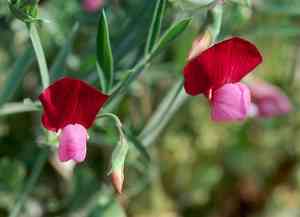
Understanding the light requirements for Cicercha purpurina is key, particularly the distinction between full sun and partial shade. Cicercha purpurina flourishes best in full sun, meaning it benefits from at least six hours of direct sunlight daily. This ample light promotes vigorous development and the characteristic vibrant purple blossoms.Conversely, while Cicercha purpurina can endure partial shade, its blooming and growth may be less prolific. Partial shade implies the plant receives roughly three to six hours of sunlight daily, which is below its optimal need. For gardeners seeking peak growth and flowering, providing full sun conditions is highly recommended.
Selecting the Best Garden Spot
Choosing an appropriate location in your garden for Cicercha purpurina is vital for meeting its light demands. Seek out an area that receives abundant direct sunlight throughout the day. A south-facing section of your garden is generally perfect, ensuring extended sun exposure.If sunny spots are limited in your garden, consider areas exposed to morning sun, as it's typically less intense and offers a gentle start for the plant. Avoid placing Cicercha purpurina near large structures or trees that might create extensive shadows and restrict light. Ensuring your plant has the prime location will significantly impact its overall health and flowering potential.
Monitoring and Adjusting Cicercha purpurina's Light Exposure
Utilizing a Light Meter
A light meter is a useful tool for gardeners aiming to provide their plants with optimal light. This device measures the intensity and duration of light in a specific area, helping confirm if your Cicercha purpurina is receiving adequate sunlight.To use a light meter, place it in your chosen garden spot and observe readings throughout the day. Aim for at least six hours of direct sunlight, according to the meter's readings, for ideal Cicercha purpurina growth. Regular checks of light exposure can help you modify the planting site if necessary, accounting for seasonal light variations or unexpected shading.
Indicators of Insufficient or Excessive Light
Recognizing signs of improper light exposure is crucial for Cicercha purpurina's health. Too much sunlight can cause scorched, yellowing leaves, indicating sunburn or heat stress. In such instances, consider moving the plant to a location with some afternoon shade or using garden shade cloth to lessen intense exposure.Conversely, if Cicercha purpurina receives too little light, you might observe leggy growth and fewer blooms. Leaves may appear pale, or the plant might stretch towards the brightest light source. To correct inadequate light, move the plant to a brighter area where it can absorb sufficient sun throughout the day. Consistent monitoring and adjustment of light exposure will maintain your Cicercha purpurina in prime condition.
Seasonal Light Adaptations for Cicercha purpurina
Seasonal Light Fluctuations
Sunlight availability changes with the seasons, necessitating adjustments to your Cicercha purpurina care routine. During spring and summer, days are longer, and sunlight is more plentiful. This period is ideal for growth and flowering, ensuring your plant gets the required six hours of direct sunlight.In autumn and winter, days shorten, and light intensity diminishes. It's important to maximize the light your plant receives during these months. You might need to reposition the plant or even supplement with artificial grow lights if natural light is insufficient. Tracking seasonal light changes ensures your Cicercha purpurina continues to thrive year-round.
Shielding Cicercha purpurina from Intense Summer Sun
Even though Cicercha purpurina flourishes in full sun, the harshness of summer sun can sometimes be excessive. Protect your plant from sunburn by providing occasional midday shade during peak heat (11 AM to 3 PM). This can be achieved with garden shade nets or by strategically placing taller plants nearby to cast partial shadows.Regularly observing the plant on hot days will help you assess its tolerance. Adjustments like increased watering can also help counteract the drying effects of intense summer sun, keeping your Cicercha purpurina healthy and vibrant.
Maximizing Winter Light Exposure
Winter sunlight is less intense but remains vital for Cicercha purpurina's well-being. Position your plant in the sunniest part of your garden, typically a south-facing area, to make the most of the limited daylight.If your region experiences extended periods of overcast weather or very short days, consider using artificial grow lights to supplement natural light. These lights can help replicate the sun's spectrum and ensure your plant receives the necessary light for photosynthesis and growth. Pay attention to any signs of light deficiency and adjust accordingly to help your Cicercha purpurina through the winter months.



