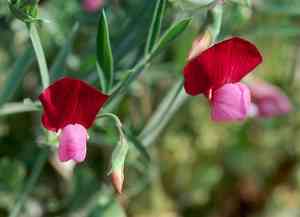
Cicercha purpurina (Lathyrus clymenum)
Also known as: Southern pea
This annual plant, reaching heights of 30 to 100 cm, features smooth, creeping winged stems. The lower leaves are simple and merge with the winged petiole, while the middle and upper leaves have pairs of linear to elliptic-lanceolate leaflets, ranging from 2 to 6 cm in length and 3 to 11 mm in width. These leaves also have winged axils with branched tendrils. The stipules are linear to oval, with a distinctive arrow-shaped base.
In This Article
Attributes of Cicercha purpurina
Lifespan
Annual
Plant Type
Herb
Plant Height
60 cm
Spread
50 cm
Leaf Color
Green
Flower Size
2-3 cm
Flower Color
Red White Pink Purple
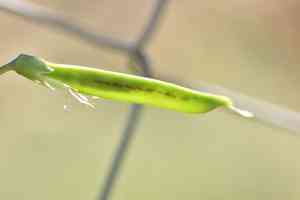
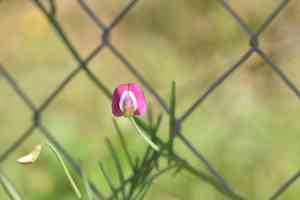
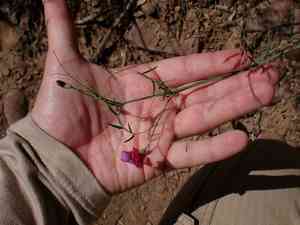
Images of Cicercha purpurina
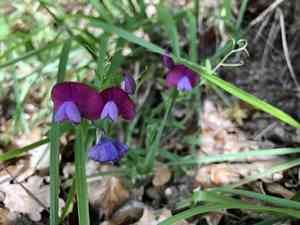
Quickly Identify Cicercha purpurina
1
Lathyrus clymenum can be identified by its characteristic winged stems and compound leaves. The flowers are typically pink or purple, arranged in loose clusters at the ends of the stems.
Scientific Classification of Cicercha purpurina
Phylum
Vascular plants
Class
Dicotyledons
Order
Fabales
Family
Legume
Genus
Peavines
Species
Cicercha purpurina
Planting and Growing of Cicercha purpurina
Care Difficulty
Moderate
Watering Schedule
Every 3 days
Sunlight Requirements
Full sun
Sunshine Duration
6-10 hours
Ideal Temperature
65-75℉
Soil Type
Potting Mix, Peat Mix
Soil pH
6.5-7.5
Fertilizer Type
Balanced
Pruning Season
Spring, Summer
Pruning Area
Branches, Leaves
Pruning Frequency
2 times a year
Repotting Season
Spring
Pot Type
Plastic, Ceramic
 How to Water Cicercha purpurina?
Lathyrus clymenum, commonly known as sweet pea, thrives when the soil is kept slightly moist, but not waterlogged. This plant prefers deeply moist soil, so ensure that approximately 250 ml of water is provided at each watering session. This ensures that the plant's roots get adequate moisture without drowning.
What are the symptoms of an underwatered Cicercha purpurina?
›
What should I do if my Cicercha purpurina is not getting enough water?
›
What are the symptoms of an overwatered Cicercha purpurina?
›
How to save an overwatered Cicercha purpurina?
›
 What Are the Sunlight Requirements for Cicercha purpurina?
Lathyrus clymenum flourishes best in bright, full sun to partial sun environments. This ensures optimal photosynthetic activity, promoting luxurious blooms and vigorous growth.
More About Sunlight Requirements Techniques→
What is the best kind of light for Lathyrus clymenum?
›
How can I ensure enough sunlight?
›
What benefits do ideal light conditions provide?
›
 What Is the Ideal Temperature Range for Cicercha purpurina?
Lathyrus clymenum thrives within a specific temperature range, ideally between 65°F and 75°F. This range provides the optimal conditions for photosynthesis and nutrient uptake, promoting vigorous growth and blooming. The ideal temperature range ensures that the plant can maintain a stable metabolic rate, balancing its energy production and consumption efficiently.
 What Soil is Best for Cicercha purpurina?
Lathyrus clymenum thrives in well-draining soils, which prevent waterlogging and root rot. This is crucial as it allows the roots to access the necessary oxygen, promoting healthier plant growth and reducing disease risks. This plant grows best in nutrient-rich soils that provide essential minerals and nutrients. A fertile soil ensures robust growth and vibrant flowering, making it essential for optimal cultivation. The soil should retain some moisture without being overly wet. This balance helps maintain plant hydration, especially in hotter climates, without risking the complications of overly saturated soils.
 How to Fertilize Cicercha purpurina?
Lathyrus clymenum benefits from a moderate approach to feeding. When using liquid fertilizer, dilute it to half strength to prevent over-nourishment. Each application should provide 100-200 ml of the diluted solution per plant. For slow-release granules, apply about 10-15 grams per square meter. This ensures a balanced nutrient supply without overwhelming the plant.
 How to Prune Cicercha purpurina?
Begin by locating dead or damaged stems. These can be identified by their brown, brittle texture. Using sharp shears, cut these stems back to a healthy part of the plant to encourage new growth. After removing dead stems, focus on shaping the plant by trimming any overly long or unruly sections. Aim for a balanced, rounded shape to help support even growth and to ensure the plant remains visually appealing. To promote continuous blooming, regularly pinch off spent flowers. This not only tidies up the plant but also redirects energy into producing more buds rather than seed pods, enhancing floral display.
More About Pruning Techniques→
 How to Propagate Cicercha purpurina plant?
1
Fill your seed trays with the potting mix, leaving about a centimeter of space from the brim. This minimizes soil spillage when watering. Firm the soil gently to ensure it’s level and well-packed for seed sowing.
2
Space Lathyrus clymenum seeds evenly across the surface of the prepared seed tray. Cover the seeds lightly with a thin layer of potting mix to a depth of about two times the seed size, ensuring they have enough contact with the soil for germination.
3
Water the newly seeded trays gently but thoroughly. Place the trays in a location that receives indirect sunlight and maintain the soil moisture until seedlings emerge, avoiding water-logging which can inhibit growth.
 How to Repot Cicercha purpurina plant?
1
Lathyrus clymenum should be repotted when you notice roots emerging from the drainage holes or when the plant's growth appears stunted. Spring and autumn are optimal as the plant is either emerging from winter dormancy or slowing down before winter, making the transition less stressful.
2
Select a pot that is just a couple of inches larger in diameter than the current one. A pot too large can retain excess moisture leading to root rot. Ensure it has good drainage holes to prevent waterlogging, offering your plant a cozy new home that encourages healthy root growth.
3
Choose a well-draining soil mix, ideally containing sand or perlite. This combination ensures excess water can escape quickly, maintaining a balance between retaining enough moisture for hydration while preventing suffocating, waterlogged roots.
Toxicity
Ingestion
WARNING
The judgment on toxicity and danger is for reference only. We DO NOT GUARANTEE any accuracy of such judgment. Therefore, you SHALL NOT rely on such judgment. It is IMPORTANT TO SEEK PROFESSIONAL ADVICE in advance when necessary.



