How to Prune Cicercha purpurina?
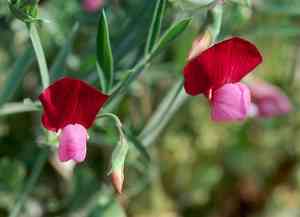
A vining legume, cicercha purpurina benefits from trimming to improve airflow and bolster pod formation. Lightly trim juvenile plants in springtime to stimulate branching. Following the blooming period, more substantial pruning fosters fresh development and boosts the subsequent season's harvest. Perform another pruning session in early autumn to sculpt the plant and eliminate withered leaves. Always employ sanitized, keen implements to avert illness and guarantee accurate incisions. Pruning not only controls cicercha purpurina's dimensions but also revitalizes its general well-being.
What Are the Benefits of Pruning Cicercha Purpurina?
What Are the Benefits of Pruning Cicercha Purpurina?
Trimming cicercha purpurina promotes vigorous development and preserves its desired shape. Strategic cuts help revitalize the plant, leading to a strong, visually appealing structure ideal for its growth.
What Is the Best Time for Pruning Cicercha Purpurina?
What Is the Best Time for Pruning Cicercha Purpurina?
Pruning cicercha purpurina in the Spring fosters healthy growth and renewal after dormancy, leveraging the plant's stored energy. Early Summer trimming, following the initial growth spurt, aids in shaping cicercha purpurina and managing its size. It can also stimulate a second bloom in flowering types. Fall pruning of cicercha purpurina is beneficial for removing dead or diseased foliage and preparing the plant for winter, reducing disease and pest risks. These periods align with cicercha purpurina's active growth phases, enabling resilient recovery and strong performance in subsequent blooming or growing cycles.
What Tools Do I Need to Prune Cicercha Purpurina?
Bypass Pruners
Crucial for making clean cuts on cicercha purpurina's green, tender stems without crushing them. Suitable for most selective trimming tasks, including deadheading and shaping.
Pruning Shears
Perfect for precise work and reaching tight spots to trim back cicercha purpurina's excessive growth or thin out dense areas.
Gloves
Protect hands from scratches and irritation that cicercha purpurina's tendrils and potential skin irritants might cause.
How to Prune Cicercha Purpurina
Clean tools
Before beginning the pruning process for cicercha purpurina, ensure all pruning tools are clean and sharp to prevent disease spread and achieve precise cuts.
Identify
Examine cicercha purpurina to locate all withered leaves. These are the plant parts that appear brown, lifeless, or dry and no longer contribute to the plant's growth or visual appeal.
Cut at base
Using your pruning shears, carefully snip the withered leaves at the base of their stems. Make clean cuts close to the main stem to avoid leaving stubs that could attract pests or disease.
Dispose
After removing the withered leaves from cicercha purpurina, ensure proper disposal away from the garden. This prevents potential disease spread and keeps the area tidy.
Monitor
Post-pruning, continue to regularly observe cicercha purpurina for any signs of new withered leaves or other health issues. This allows for timely interventions and maintains plant vitality.
Common Pruning Mistakes with Cicercha Purpurina
Overpruning
Cutting back too much of cicercha purpurina can stress the plant, leading to stunted growth or even plant demise.
Blunt tools
Using dull pruning tools can harm cicercha purpurina's stems, resulting in jagged cuts that may not heal properly and could make the plant vulnerable to disease.
Indiscriminate cutting
Randomly cutting stems without understanding cicercha purpurina's growth pattern can lead to a less attractive plant shape and reduced flowering.
Ignoring dead material
Failing to remove dead or diseased material can hinder new growth and allow diseases and pests to impact cicercha purpurina.
Neglecting to clean tools
Not sterilizing tools between cuts and plants can spread diseases to cicercha purpurina and other garden plants.
Common Pruning Tips for Cicercha Purpurina
Sharp clean tools
Ensure pruning tools are sharp and clean to make precise cuts and prevent disease transmission in cicercha purpurina.
Identify growth nodes
Understand cicercha purpurina's growth pattern and make cuts just above leaf nodes to encourage new growth in the desired direction.
Prune for shape
Shape cicercha purpurina by trimming wayward or long stems to maintain an attractive plant form and ensure even sunlight exposure.
Encourage flowering
Thin out crowded areas and cut back leggy stems to promote better air circulation and light penetration, which can enhance flowering in cicercha purpurina.
Cut damaged stems
Regularly remove any dead, diseased, or damaged stems to maintain the health and appearance of cicercha purpurina.



