How Much Sunlight Do Netted iris Need?
1
Netted iris flourishes in direct sunlight yet can endure some dappled shade.
2
Excessive sun exposure can cause leaf burn, whereas inadequate light might lead to stretched growth and fewer flowers.
3
For indoor Netted iris, placing them near windows facing south or west guarantees ample illumination.
Ideal Light Conditions for Netted Iris
Full Sun vs. Partial Shade
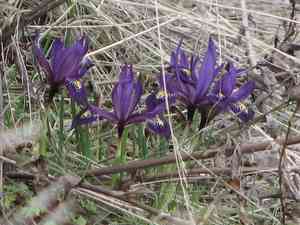
The Netted iris is a beautiful early-spring flower that rewards gardeners with bright, jewel-toned blooms. For best development, this plant prefers full sunâmeaning at least six hours of direct sunlight daily. While the Netted iris can endure partial shade (about 3-4 hours of morning or afternoon sun), it might not achieve its full flowering potential. Full sun exposure promotes strong growth and abundant blossoms, giving you the finest display of its vivid, attractive flowers.
Optimal Time of Day for Sun Exposure
When considering sunlight for Netted iris, the best time for exposure is during the morning and early afternoon. These hours offer sufficient light without the harsh intensity of midday sun, which can sometimes be too strong, especially in warmer climates. Morning sunlight tends to be gentler and supports healthy photosynthesis. If growing in partial shade, ensure your Netted iris receives its sun exposure during these cooler periods to prevent potential scorching.
How to Recognize Sunlight Requirements for Netted Iris
Indicators of Excessive Sunlight
Too much sunlight can stress the Netted iris, leading to scorched or bleached leaves, curled foliage, and dry soil. You might observe the leaves developing brown tips or edgesâclassic signs of sunburn. Furthermore, intense, prolonged exposure may result in a stunted plant with fewer flowers, as its energy is diverted to managing heat stress instead of blooming and growth.
Indicators of Insufficient Sunlight
Conversely, inadequate sunlight hinders the Netted iris's ability to flourish. Look for elongated, weak stems (known as etiolation), smaller or absent blooms, and overall slow growth. The vibrant flowers might appear pale or sparsely distributed. These signs indicate the plant is stretching for any available light, compromising its robust and bushy appearance.
Adjusting Sunlight for Indoor Netted Iris
Utilizing Artificial Lighting
If your Netted iris is growing indoors, particularly in areas with limited natural light, consider using artificial grow lights to supplement sunlight. LED grow lights are an excellent option, providing full-spectrum lighting that mimics the sunâs natural rays. Aim to provide approximately 12-16 hours of light per day if using artificial sources, ensuring consistent growth and flowering.
Placement Near Windows
For indoor Netted iris, positioning is vital. Place the plant near a south or west-facing window to capture the most sunlight. These windows receive the best light throughout the day, fostering the plant's healthy development. However, be mindful of potential drafts or temperature fluctuations near windows, which can stress the plant. You might also rotate the pot periodically to ensure even light distribution.
Seasonal Sunlight Considerations for Netted Iris
Spring and Summer Sunlight Needs
During spring and summer, the Netted iris thrives in abundant sunlight. This period is ideal for maximizing its exposure to full sun. Ensure the plant receives consistent watering to cope with higher temperatures and increased evaporation rates. Using mulch can help retain soil moisture and keep the roots cool while encouraging blooming and growth.
Fall and Winter Sunlight Needs
In fall and winter, sunlight availability decreases, especially in regions with shorter daylight hours. However, the Netted iris naturally enters a dormancy period during these seasons. Allow the soil to dry out between waterings, and reduce the overall light exposure. If grown indoors, continue to provide as much natural light as possible or supplement with grow lights to maintain the plant's health through its dormant phase.



