Enhancing Your Garden Design with the Netted iris Plant: A Landscaping Guide
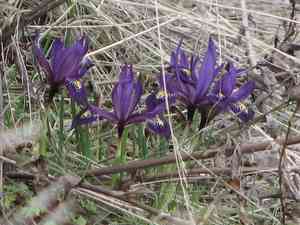
1
Iris reticulata flowers in the early spring, offering a lively burst of color while most other flora remains inactive.
2
Iris reticulata complements numerous other plants effectively, making it a flexible option for diverse garden aesthetics.
3
Iris reticulata requires minimal upkeep and is suitable for both structured and relaxed garden environments.
Appreciating the Visual Appeal of Netted Iris
Discovering the Distinctive Hues and Designs of Netted Iris
Netted iris is celebrated for its vivid colors and elaborate patterns. Its blossoms come in various shades, including deep purples, blues, and bright yellows, each featuring delicate veining and markings that enhance their visual charm. These unique color combinations can act as focal points in your garden, drawing attention and adding a burst of color that brightens any area. Furthermore, the intricate designs on the petals offer a sense of texture and depth, making Netted iris a visually appealing addition to any landscape.
Seasonal Aesthetic Impact of Netted Iris
A prominent characteristic of Netted iris is its early flowering period. As one of the initial blooms to appear in spring, Netted iris can deliver a much-needed splash of color after winter's drabness. This early bloom can help establish the mood for your garden's subsequent seasonal progression, ensuring a continuous display of colors and textures as the year unfolds. By integrating Netted iris into your landscape, you guarantee a vibrant start to your garden's annual presentation.
Textural Contributions to Garden Environments
Netted iris does more than just introduce color to your garden; its distinct form and foliage contribute to the overall texture of your landscape. The slender leaves and delicate flowers of Netted iris can create a soft, airy sensation. When planted in clusters, they form graceful drifts that gently sway with the breeze, adding dynamic movement to your garden. This textural contrast can be an excellent method to break up more rigid, structured elements of your landscape, providing a balance between softness and structure.
Optimal Plant Pairings for Netted Iris
Complementary Flora for Color Harmony
To maximize the impact of Netted iris's vibrant colors, consider pairing it with plants that possess complementary shades. For instance, combine Netted iris with plants featuring light pinks, whites, or yellows to forge a harmonious and visually pleasing palette. Plants such as daffodils, crocuses, and early-blooming tulips can serve as excellent companions. The contrast between these softer colors and the bold tones of Netted iris can make both stand out even more, creating a balanced and attractive display.
Structural Contrasts: Pairing Netted Iris with Diverse Foliages
Another approach to accentuate Netted iris in your garden is by pairing it with plants that offer structural contrasts. Consider plants with broad, robust leaves to juxtapose with the fine foliage of Netted iris. Hosta, ferns, and ornamental grasses can provide this contrast, adding depth and interest to your garden. By mixing and matching different textures, you can create a layered effect that makes each plant prominent while contributing to a cohesive garden design.
Seasonal Pairing: Timing Blooms for Ongoing Appeal
To maintain visual interest throughout the gardening season, pair Netted iris with other plants that flower at different times. For example, combining Netted iris with later-blooming flowers like perennials can ensure that your garden remains colorful and dynamic all year long. Consider seasonal succession when selecting plant companions â early spring bulbs, mid-summer perennials, and late autumn blooms can collaborate to create a landscape that is ever-changing and always beautiful.
Integrating Netted Iris into Various Landscape Themes
Formal Garden Settings
Netted iris can be a beautiful addition to formal garden environments. Its neat, upright growth habit makes it suitable for structured designs and formal layouts. Consider planting Netted iris in symmetrical patterns or along pathways to establish defined lines and a sense of order. By doing so, you can utilize Netted iris to enhance the elegance and sophistication of your formal garden.
Cottage and Natural Style Gardens
For a more relaxed and informal garden style, Netted iris fits perfectly into cottage and naturalistic gardens. Its natural appearance allows it to blend seamlessly with other flowering plants and shrubs. Disperse Netted iris throughout your garden for a whimsical and spontaneous effect, as if nature herself planted them. This can create a charming, laid-back atmosphere that feels inviting and pastoral.
Contemporary Landscapes: Utilizing Netted Iris as a Modern Element
Netted iris can also be a striking feature in contemporary landscape designs. The bold coloration and clean lines of Netted iris make it an excellent choice for modern gardens. Plant Netted iris in minimalist beds or containers to highlight their unique beauty against simple, uncluttered backgrounds. Their presence can add a touch of nature to modern, geometric designs, providing a balanced blend of organic and contemporary elements.
Design Considerations for Year-Round Allure
Positioning Netted Iris for Optimal Viewing
When incorporating Netted iris into your landscape, consider placing it in areas where its beauty can be easily appreciated. Plant Netted iris along walkways, near patios, or in front of windows to maximize visibility. This ensures that you and your visitors can enjoy their vibrant blooms up close and from different angles, enhancing the overall garden experience.
Layering with Netted Iris: Depth and Height in the Garden
Creating layers in your garden by positioning Netted iris at different heights can add depth and dimension to your landscape. Plant them in front of taller shrubs or against a backdrop of climbing plants to create a tiered effect. This layering not only adds visual interest but also allows each plant to shine in its own way, contributing to a more dynamic and engaging garden space.
Sustainability Tips: Low Maintenance Planning
Netted iris is a low-maintenance plant that can thrive with minimal care, making it a great choice for sustainable garden designs. To ensure they continue to flourish year after year, plant Netted iris in well-draining soil and provide adequate sunlight. Consider using mulch to conserve moisture and reduce the need for frequent watering. By planning thoughtfully, you can create a beautiful garden that is both eco-friendly and easy to maintain.



