How to Prune Netted iris?
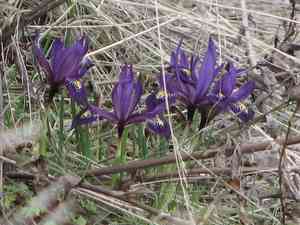
A resilient bulb featuring vivid, early-spring blossoms, the netted iris generally needs very little trimming. Removing spent blooms helps foster bulb vigor, but the leaves ought to stay until they turn yellow to restore essential nutrients. Perform pruning during periods of active development, mainly in late spring or following the blooming period. Pruning in the summer or autumn is not required and could negatively impact the subsequent season's growth. The advantages of pruning encompass encouraging robust plant regeneration and inhibiting the dissemination of diseasesââcrucial for sustaining brilliant flowers in this particular variety.
Advantages of Trimming Netted Iris
Advantages of Trimming Netted Iris
Trimming netted iris promotes abundant flowering, stimulates vigorous development, and maintains an appealing form. By selectively cutting, gardeners ensure netted iris directs energy to flower production and retains an attractive shape.
Optimal Time for Trimming Netted Iris
Optimal Time for Trimming Netted Iris
Trimming netted iris is best performed after it has finished blooming to allow it to store energy in its bulbs for the subsequent season. Pruning in late summer to fall enables the removal of spent flowers and prevents seed formation, which can divert energy from the bulb. It also lowers disease risk by eliminating decaying plant matter. Pruning should be avoided in spring as it can remove emerging blooms and disrupt the growth cycle. Trimming foliage is only recommended once it has yellowed or naturally died back, typically in the late summer months. This approach ensures that foliage has had sufficient time to photosynthesize and transfer energy to the bulbs, solidifying the plant's energy reserves for dormancy and future growth periods.
Tools Required for Trimming Netted Iris
Hand Pruners
Suitable for cutting back faded flower stems and removing dead foliage without harming the delicate structure of netted iris.
Garden Scissors
Perfect for precise trimming of netted iris's leaves and careful removal of withered flowers, ensuring a clean cut and fostering healthy growth.
Pruning Snips
Useful for deadheading and gentle shaping if necessary, allowing for greater control over the small size of netted iris.
How to Trim Netted Iris
Clean Tools
Before beginning the trimming process, clean and sanitize all cutting implements to prevent the spread of disease to netted iris. Use a bleach solution or rubbing alcohol to wipe down the blades.
Remove Diseased Leaves
Carefully inspect netted iris for any signs of diseased leaves. Using your sterilized pruning shears, snip off the affected leaves at their base where they emerge from the bulb or rhizome, avoiding any healthy tissue to prevent disease spread.
Trim Withered Leaves
Locate withered or yellowing leaves on netted iris. Gently pull the leaf; if it detaches easily, it's ready for removal. If not, use shears to cut it close to the base, ensuring a clean removal without tugging that could damage the plant.
Deadhead Flowers
After netted iris flowers have withered, deadhead by cutting the flower stalk down to just above the next lower bud on the stem. If there are no more buds, cut the stalk down to the base to encourage energy redirection to the bulb.
Cleanup
Dispose of all removed plant material promptly and tidy up the area around netted iris to maintain good hygiene and deter pests. This will also give netted iris a neat appearance and allow for better air circulation around the plant.
Common Trimming Errors with Netted Iris
Excessive Pruning
Removing too many leaves when trimming netted iris can weaken the plant. It is crucial to only remove dead or diseased parts to avoid stressing the plant.
Pruning Live Flower Stalks
Cutting back live flower stalks before they naturally die back can prevent netted iris from storing sufficient energy for the next season.
Neglecting To Remove Spent Flowers
Failing to deadhead, or remove spent flowers, can lead to energy being diverted towards seed production rather than the following season's growth and blooms.
Incorrect Tool Use
Using dull or dirty tools to trim netted iris can cause damage to the plant tissues, creating potential entry points for disease.
Disregarding Plant Health
Attempting to trim when netted iris is not healthy (e.g., during a period of drought or pest infestation) can further stress the plant.
Improper Disposal
Not properly disposing of the trimmed material can lead to disease and pest problems if left in the garden area.
General Trimming Advice for Netted Iris
Clean Cuts
Make clean, angled cuts when removing dead or diseased tissue to promote good wound healing and reduce the risk of disease in netted iris.
Sterilization Of Tools
Sterilize trimming tools before and after use on netted iris to prevent the spread of disease between plants. Alcohol or bleach can be used for sterilization.
Deadheading
Timely deadheading of spent flowers encourages more blooms and prevents netted iris from expending energy on seed production.
Post-Bloom Care
After blooms have faded, allow foliage of netted iris to remain in place until it yellows, which signifies that they have completed their energy storage.
Gentle Handling
Handle netted iris with care during trimming to avoid damage to the bulbs and roots, which are essential for the plant's health and re-bloom.
Depth Of Cut
Avoid cutting into the green, living parts of netted iris as much as possible, focusing only on the dead or damaged parts of the plant.



