How Much Sunlight Do Orangegrass Need?
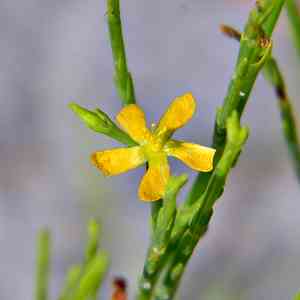
1
Orangegrass flourishes with approximately 3-6 hours of direct sun each day.
2
Provide ample sun exposure to intensify Orangegrass's vivid hues.
3
Observe the plant's leaves for indications of scorching or inadequate illumination.
What Are the Sunlight Requirements for Orangegrass?
Optimal Sunlight Exposure
For Orangegrass, ideal sun exposure is vital for robust development and vivid leaves. Typically, this plant flourishes best with approximately 3-6 hours of direct sun daily. Positioning Orangegrass where it gets abundant morning sun and some afternoon shade can create a perfect growing environment. If feasible, situate the plant to benefit from the softer morning rays, as they are generally less harsh than intense midday light.
Benefits of Adequate Sunlight
Sufficient sunlight not only helps your Orangegrass grow strong and sturdy but also intensifies its vibrant orange color. Sunlight fuels photosynthesis, providing the energy plants need for growth. Furthermore, consistent sun exposure aids in flower production, encouraging blooming. Healthy sun exposure will result in lush, vigorous plants that are more resistant to pests and diseases.
Symptoms of Insufficient Sunlight
If Orangegrass isn't getting enough sunlight, it will display several clear indicators. Common signs include leggy growth, where the plant stretches toward the nearest light source, and a pale, faded appearance. You might also observe fewer blossoms and slower overall development. Ensuring your plant receives the correct amount of light is crucial for maintaining its health and look.
Can Orangegrass Tolerate Full Sun?
Adaptability to Full Sun
Orangegrass is quite flexible and can endure full sun in many areas. However, this adaptability comes with a condition: while full sun can encourage strong growth, prolonged exposure to intense sunlight, especially during peak summer, can sometimes stress the plant. If you're cultivating Orangegrass in a region known for particularly hot and dry summers, consider offering afternoon shade to prevent overheating.
Preventing Sunburn
Sunburn can occur if Orangegrass is exposed to excessive and direct sunlight for too long. Signs of sunburn include brown, crispy leaf edges, and a generally scorched look. To prevent this, gradually acclimate your plant to full sun by increasing its exposure incrementally. If sunburn symptoms appear, move the plant to a spot with partial shade during the hottest part of the day.
Is Partial Shade Suitable for Orangegrass?
Benefits of Partial Shade
Partial shade can actually benefit Orangegrass by providing a balanced light setting, especially in warmer climates. Growing Orangegrass in partial shade ensures the plant receives enough light for photosynthesis while being protected from the harshest midday sun. This balance can lead to healthy, vibrant foliage and prevent the stress associated with too much direct sunlight.
Balancing Sunlight and Shade
Balancing sunlight and shade is essential for thriving Orangegrass. Aim for a location that gets direct sunlight for about 3-6 hours, preferably in the morning, followed by shaded conditions in the afternoon. This approach ensures your plant receives adequate light without the risk of sunburn. Additionally, observe the plant and make adjustments if you notice signs of too much or too little light.
How to Maximize Sunlight for Indoor Orangegrass
Choosing the Right Location
When cultivating Orangegrass indoors, the placement choice can make a significant impact. Position your plant near a south-facing window where it can receive ample sunlight throughout the day. East-facing windows, which offer gentle morning light, are also a good option. Rotate the plant regularly to ensure even light exposure and prevent uneven growth.
Using Artificial Light Sources
If sufficient natural light isn't available, you can supplement with artificial light sources. Full-spectrum grow lights mimic natural sunlight and can be an effective solution for indoor Orangegrass. Position the grow lights about 6-12 inches (15-30 cm) above the plant, and keep them on for about 12-16 hours a day to provide sufficient light for growth.
Seasonal Sunlight Considerations for Orangegrass
Sunlight Needs in Summer
During the summer months, Orangegrass will likely flourish outdoors with abundant sunlight. Ensure it receives the correct amount of light while also being mindful of extreme heat. Providing some afternoon shade can protect the plant from the most intense sunlight and prevent potential heat stress.
Adjustments for Winter Months
In the winter, sunlight availability decreases, which may affect Orangegrass. Consider moving the plant closer to windows to maximize available light or using grow lights to supplement reduced natural light. Make sure the plant is not exposed to cold drafts, as this can be detrimental during colder months.



