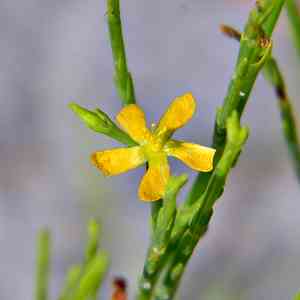
Orangegrass (Hypericum gentianoides)
Also known as: Pineweed
Hypericum gentianoides, often known as orangegrass due to its distinctive yellow and orange hues, belongs to the St. John's wort family. It is indigenous to eastern North America, where it typically thrives in upland areas with sandy soils.
In This Article
Attributes of Orangegrass
Lifespan
Annual
Plant Type
Herb
Plant Height
10 cm to 40 cm
Spread
Not applicable, typically grows as a single stem or in a small clump
Leaf Color
Green
Flower Size
Up to 5 mm
Flower Color
Yellow
Images of Orangegrass
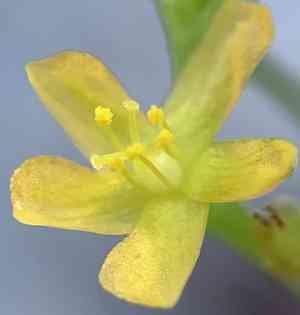
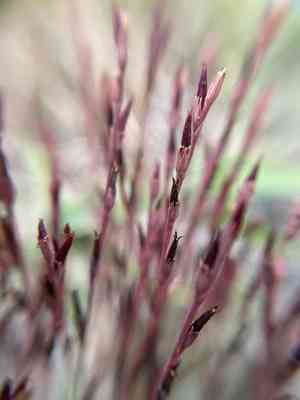
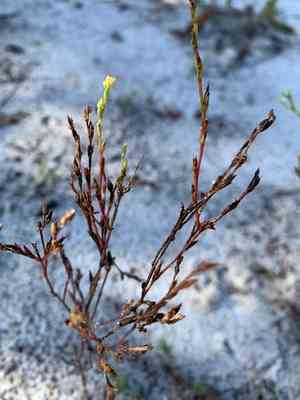
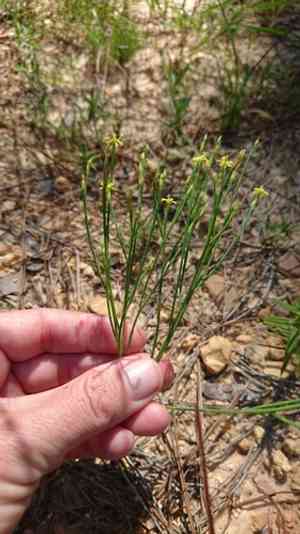
Quickly Identify Orangegrass
1
To identify Hypericum gentianoides, look for a small herb with very slender, narrowly linear leaves and small, yellow, star-shaped flowers. The plant has a distinctive, needle-like appearance and typically grows up to 30 cm in height.
Scientific Classification of Orangegrass
Phylum
Vascular plants
Class
Dicotyledons
Order
Malpighiales
Family
St. John's wort
Genus
St. John's worts
Species
Orangegrass
Planting and Growing of Orangegrass
Care Difficulty
Easy
Watering Schedule
Every 3 days
Sunlight Requirements
Full sun
Sunshine Duration
6-10 hours
Ideal Temperature
60-75℉
Soil Type
Potting Mix, Peat Mix
Soil pH
6.5-7.5
Fertilizer Type
Balanced
Pruning Season
Spring, Summer
Pruning Area
Branches, Leaves
Pruning Frequency
2 times a year
Repotting Season
Spring
Pot Type
Terracotta, Plastic
 How to Water Orangegrass?
For Hypericum gentianoides, each watering session should provide approximately 250 milliliters of water. This plant prefers a consistent but moderate moisture level. Ensure the soil is evenly moist without being waterlogged to support healthy growth.
What are the symptoms of an underwatered Orangegrass?
›
What should I do if my Orangegrass is not getting enough water?
›
What are the symptoms of an overwatered Orangegrass?
›
How to save an overwatered Orangegrass?
›
 What Are the Sunlight Requirements for Orangegrass?
Hypericum gentianoides thrives best with full sun to partial sun exposure, promoting vigorous growth and enhancing photosynthesis efficiency.
More About Sunlight Requirements Techniques→
What is the best location to plant Hypericum gentianoides?
›
How can one ensure Hypericum gentianoides gets optimal sunlight?
›
Why is maintaining ideal light conditions crucial for Hypericum gentianoides?
›
 What Is the Ideal Temperature Range for Orangegrass?
For Hypericum gentianoides, the ideal temperature range spans from 60°F to 75°F. This range ensures optimal growth conditions by providing adequate warmth for physiological processes without causing heat stress. Maintaining this range helps in achieving robust plant health and vibrant growth.
 What Soil is Best for Orangegrass?
Hypericum gentianoides thrives in well-drained soil, preventing waterlogging that can lead to root rot and poor growth. This soil attribute ensures the plant receives adequate oxygen, supporting robust root development and overall plant health. While Hypericum gentianoides is not particularly demanding in nutrient-rich soil, moderate fertility can boost its growth and flowering, providing essential nutrients for vigorous vegetation without overwhelming the plant. Although this plant can tolerate drought, a consistent moisture level supports its growth during dry spells, ensuring vitality and improving resilience against environmental stress.
 How to Fertilize Orangegrass?
When fertilizing Hypericum gentianoides, use a balanced, water-soluble fertilizer diluted to half strength. For a small plant, approximately 1 tablespoon per gallon of water should suffice. This concentration ensures that the plant receives nutrients without the risk of over-fertilization.
 How to Prune Orangegrass?
Begin by selecting a pair of sharp, clean pruners to avoid damaging the plant. Identify any dead or damaged branches and cut them back to the base or a healthy set of leaves. For healthy branches, trim them to maintain the desired shape and size, making cuts just above a leaf node to promote new growth.
More About Pruning Techniques→
 How to Propagate Orangegrass plant?
1
Fill a seed tray with quality seed-starting mix. Sow the seeds evenly and cover lightly with soil. Keep the soil moist and place the tray in a warm, bright location.
2
Select healthy, non-flowering stems during late spring or early summer. Use sharp pruning shears to cut 4-6 inch sections, ensuring to cut just below a node.
3
Remove the lower leaves of the cuttings and dip them in rooting hormone powder. Plant them in a well-draining potting mix and mist regularly to maintain humidity.
 How to Repot Orangegrass plant?
1
The ideal time to repot Hypericum gentianoides is when you see roots growing out of the drainage holes or the plant showing signs of stunted growth. Early spring is perfect as it allows the plant to establish before the active growing season.
2
Select a pot that is just one size larger than the current one. Ensure it has adequate drainage holes to prevent waterlogging. A slightly bigger pot prevents overwatering, allowing the plant's roots adequate space and air to thrive.
3
Opt for a well-draining sandy soil mix to allow excess water to escape quickly. This kind of soil mimics the plant's natural habitat, providing the optimum balance of moisture retention and drainage, preventing root rot.
Learn More About Orangegrass Diseases
Anthracnose
Bacterial Leaf Spot
Bacterial Wilt
Chemical Injury
Crown Gall
Cyst Nematode
Damping-off
Downy Mildew
Drought Stress
Fusarium Wilt
Gray Mold
Leaf Spot
Mosaic
Nutrient Deficiency
Nutrient Toxicity
Powdery Mildew
Root Rot
Root-knot Nematode
Rusts
Sooty Mold
Spider Mites
Temperature Stress
Thrips Damage
White Mold



