How to Prune Orangegrass?
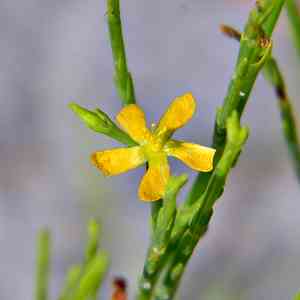
Orangegrass, a compact perennial recognized for its grass-like leaves and golden blossoms, needs infrequent trimming to preserve its form and stimulate thicker development. Perform light pruning in early spring to eliminate any deceased or compromised foliage. During the summer months, selective cutting can foster a more compact habit and improve flowering. Removing spent blooms after they fade prolongs the visual appeal and stops unwanted seed dispersal. Autumn tidying is not mandatory, involving the removal of aged growth prior to winter. Always utilize sanitized, sharp implements to avert illness.
What Are the Benefits of Pruning Orangegrass?
What Are the Benefits of Pruning Orangegrass?
Trimming orangegrass promotes vigorous development by eliminating dead or weak stems, which optimizes nutrient distribution. It also helps maintain its desired form, enhancing the aesthetic appeal of orangegrass in garden settings.
What Is the Best Time for Pruning Orangegrass?
What Is the Best Time for Pruning Orangegrass?
Pruning or trimming orangegrass from late spring to early summer is considered optimal, as this period follows the plant's dormant phase but precedes its primary growth season. This timing allows orangegrass to quickly recover from pruning stress, reduces the risk of disease transmission often linked to open wounds during more humid or wet seasons, and ensures energy is directed towards new, healthy growth instead of maintaining old or damaged tissue. Additionally, since orangegrass is not a prolific bloomer, pruning during this window will have minimal impact on flowering and will help preserve the plant's natural shape and compactness.
What Tools Do I Need to Prune Orangegrass?
Bypass Pruners
Bypass pruners are recommended for making clean cuts on new growth without crushing stems. The precise cutting action of bypass pruners is ideal for orangegrass, as it allows gardeners to shape the plant and remove dead material without causing damage to the surrounding stems.
Gardening Shears
Gardening shears, also known as hand shears, are useful for trimming and shaping orangegrass. Their longer blades help in making quick work of tidying up the plant, ensuring an even and aesthetically pleasing appearance.
Gardening Gloves
While not a cutting tool, gardening gloves are essential to protect the gardener's hands from scratches and any potential irritants found in orangegrass. It enhances the safety of the pruning process.
How to Prune Orangegrass
Cleanup
Locate all withered leaves on orangegrass, ensuring a comprehensive examination to target all dead or yellowing foliage.
Disinfect
Clean the pruning tools with alcohol or a bleach solution to prevent the spread of disease during the trimming process.
Cut
Using sharp, clean scissors or pruning shears, snip off the withered leaves at the base where they meet the stem, taking care to make a clean cut without damaging adjacent healthy tissue.
Collect
Remove all the trimmed foliage from the base of orangegrass to prevent potential rot and discourage pests or diseases from settling on decaying plant material.
Monitor
Regularly check orangegrass for any signs of withered leaves in the future to maintain its health and appearance, repeating the pruning process as necessary.
Common Pruning Mistakes with Orangegrass
Overpruning
Removing too much growth from orangegrass at once can stress the plant, potentially leading to weak growth or even plant death.
Pruning into old wood
Pruning orangegrass into old, nonproductive wood can be a mistake as it may not regenerate well, leading to sparse growth.
Incorrect cutting technique
Using a dull or dirty pruning implement can damage orangegrass's stems, opening the plant up to disease and decay.
Neglecting diseased material
Failing to remove diseased or damaged growth promptly can allow issues to spread, compromising orangegrass's health.
Uniform pruning
Pruning orangegrass into a uniform shape or size without considering the natural growth pattern can inhibit its natural character and vigor.
Common Pruning Tips for Orangegrass
Clean tools
Ensure pruning tools are clean and sharp to make precise cuts and minimize damage to orangegrass's stems.
Careful cut location
When cutting back orangegrass, make cuts just above a leaf node or branching point to encourage healthy new growth.
Thinning over trimming
Focus on thinning out crowded areas of orangegrass to improve air circulation and light penetration, rather than simply shortening stems.
Regenerative pruning
If orangegrass has become woody and sparse, strategic regenerative pruning may be necessary, removing select stems to stimulate new, healthier growth.
Post-pruning care
After pruning, provide orangegrass with adequate water and potentially a balanced fertilizer to support recovery and new growth.



