How Much Sunlight Do Stinkingtoe Need?
1
Stinkingtoe flourishes with over six hours of direct sun each day.
2
Placing Stinkingtoe where it receives abundant morning sun promotes optimal development.
3
Observe leaves for color changes; this may indicate insufficient light or excessive exposure.
Understanding Stinkingtoe Sunlight Requirements
Ideal Sunlight Conditions for Stinkingtoe
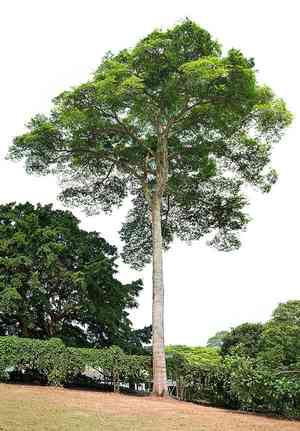
The Stinkingtoe, known for its distinct seed pods and pleasant aroma, thrives under specific light conditions. These tropical flora are accustomed to full sun, requiring over 6 hours of direct sunlight daily. For robust development, ensure the plant receives ample sunlight throughout the day. This natural exposure mimics its native environment, where it flourishes under the tropical sun.
Daily Sunlight Needs for Stinkingtoe
For optimal growth, Stinkingtoe requires consistent sun exposure. Aim to provide it with at least 6 to 8 hours of direct sunlight each day. During particularly hot months, consider slight afternoon shade to prevent leaf burn, but generally, it should receive as much sunlight as possible. Position your plant in an open area to ensure it gets the necessary sunlight for photosynthesis, crucial for its growth and productivity.
How to Position Stinkingtoe for Optimal Sunlight
Choosing the Right Location
Selecting the ideal spot for your Stinkingtoe is vital. Perfect locations include open yards or gardens free from obstructions like buildings or tall trees blocking sunlight. A south-facing position typically receives the most sunlight throughout the day, making it an excellent choice for planting. Indoors, placing the plant near large, unobstructed windows can help replicate outdoor sunlight conditions.
Adjusting Sunlight in Different Seasons
Seasonal changes can impact sunlight intensity and duration. In summer, be mindful of extremely harsh midday sun that can scorch leaves. In winter, shorter days and weaker sunlight may necessitate moving the plant to a sunnier spot or supplementing with grow lights to ensure sufficient light. Continuously assess and adjust the plantâs sun exposure according to seasonal variations to keep it thriving year-round.
Signs of Insufficient or Excessive Sunlight on Stinkingtoe
Identifying Sunlight Stress Symptoms
Closely observing your Stinkingtoe plant can help identify stress from improper sunlight exposure. Symptoms of inadequate sunlight include elongated stems, smaller leaves, and pale or yellowing foliage. Conversely, excessive sunlight can lead to scorched leaves, appearing brown and crispy at the edges. Regularly monitor your plant's appearance to promptly detect and correct issues.
Solutions for Correcting Light Issues
To resolve sunlight-related problems, reposition your plant accordingly. If the plant shows signs of insufficient sunlight, move it to a brighter location that receives daily direct sunlight. For symptoms of overexposure, provide some afternoon shade or move it to a slightly shaded area during intense sunny periods. Additionally, using sheer curtains indoors can help moderate sunlight while maintaining adequate light levels.
Frequently Asked Questions About Stinkingtoe Sunlight Needs
Can Stinkingtoe Grow in Low Light Conditions?
While Stinkingtoe prefers full sun, it can endure partial shade. However, prolonged low light conditions can hinder its growth and diminish its vigor. For robust development and a healthy plant, over 6 hours of direct sunlight daily is recommended. Avoid low light areas to prevent poor health outcomes.
What Are the Best Companion Plants for Stinkingtoe?
Choosing suitable companion plants can enhance Stinkingtoe's growth by offering complementary benefits. Plants that share similar light and water requirements, such as bougainvillea or hibiscus, make excellent companions. These plants also thrive in full sun, creating a harmonious and flourishing garden environment. When planning your garden, ensure all plants have ample space to avoid competition for sunlight.



