How to Prune Stinkingtoe?
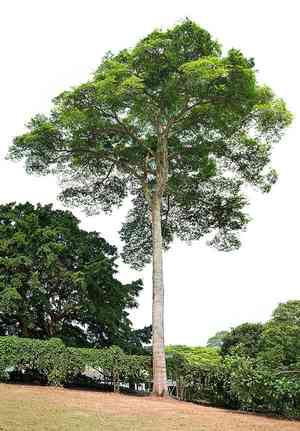
A prominent tropical arboreal species, prized for its dense timber and palatable produce, stinkingtoe thrives with regular trimming to preserve its form and vitality. Essential methods involve excising deceased or ailing branches and reducing congested limbs to improve air circulation and light exposure. The most effective time for this horticultural practice is in late winter or early spring, in preparation for new development. Precise incisions aid in averting pathogens and stimulating fruit yield, thereby securing the enduring health and robustness of stinkingtoe.
What Are the Benefits of Pruning Stinkingtoe?
What Are the Benefits of Pruning Stinkingtoe?
Trimming stinkingtoe promotes robust development and helps keep its desired form. Prompt removal of old limbs stimulates new, healthier shoots and maintains the tree's attractive appearance.
What Is the Best Time for Pruning Stinkingtoe?
What Is the Best Time for Pruning Stinkingtoe?
Pruning stinkingtoe in late winter or early spring is advantageous because the plant is typically dormant then. This timing reduces stress on stinkingtoe and encourages vigorous growth in the subsequent season. Trimming before the spring growth surge allows the plant to heal and efficiently direct energy to new growth. Additionally, pruning before the plant fully leafs out makes it easier to see stinkingtoe's structure, aiding better decision-making when removing branches. It also prevents cutting off new buds that will become the season's growth. Gardeners should avoid pruning in late spring or summer when stinkingtoe is actively growing, as well as in fall, when new growth might not have enough time to harden off before colder temperatures.
What Tools Do I Need to Prune Stinkingtoe?
Bypass Pruners
Suitable for making clean cuts on stinkingtoe's smaller branches. They operate like scissors and are effective for cutting live wood without causing harm.
Loppers
Ideal for cutting branches too large for bypass pruners but not excessively thick. These offer leverage for branches up to a couple of inches in diameter.
Pruning Saw
Essential for larger branches beyond loppers' capabilities, allowing cuts through thicker growth without damaging stinkingtoe.
Pole Pruner
Useful for reaching higher branches out of arm's reach without a ladder, enhancing safety for stinkingtoe pruning tasks.
Hedge Shears
Only if stinkingtoe is being maintained as a hedge or shaped, hedge shears will help achieve a uniform look while allowing for cutting multiple small branches at once.
How to Prune Stinkingtoe
Clean tools
Sanitize pruning tools with a solution of one part bleach to nine parts water to prevent disease spread.
Inspect
Examine stinkingtoe for dead or diseased branches. Dead wood often appears dry and brittle, while diseased limbs may show discoloration or signs of fungal growth.
Cut dead branches
Use sharp, clean pruning shears to cut dead branches where they meet healthy wood, making a slight angle cut to facilitate water runoff and prevent rot.
Remove diseased branches
Trim away diseased branches by cutting them at least several inches into healthy wood to ensure all diseased tissue is removed.
Dispose
Dispose of all removed dead and diseased material off-site to reduce the risk of disease spreading within the garden.
Common Pruning Mistakes with Stinkingtoe
Over-pruning
Cutting too much off stinkingtoe can weaken the plant and make it vulnerable to diseases or pest infestations. Avoid removing more than 25-30% of the foliage at once.
Improper cuts
Making cuts too close to the trunk or leaving stubs can both harm the plant. Cuts should be made at a 45-degree angle, just above leaf nodes or branching points for optimal healing.
Pruning without sanitizing tools
Not sterilizing pruning tools before use can introduce pathogens to stinkingtoe, leading to infections. Always use alcohol or a bleach solution to clean tools between cuts, especially when moving from one plant to another.
Tearing bark
Ripping or tearing the bark while pruning can cause unnecessary damage to stinkingtoe. Smooth, clean cuts are essential to minimize stress and facilitate quick recovery.
Overlooking deadwood
Failing to remove dead, diseased, or weak branches can impede the healthy growth of stinkingtoe. These should be the first to go during a pruning session.
Common Pruning Tips for Stinkingtoe
Selective thinning
Focus on removing overcrowded and crossing branches to improve air circulation and light penetration, which fosters a stronger, more resilient stinkingtoe.
Promoting shape
Maintain the natural shape of stinkingtoe while pruning. This is not only aesthetically pleasing but also supports the plant's structural integrity.
Regular inspections
Check stinkingtoe regularly for damaged or diseased wood, and prune as necessary to maintain plant health.
Sharp tools
Use sharp, clean tools to make precise cuts, which help stinkingtoe in faster healing with less risk of disease.
Cautious cutting
Always cut just outside the branch collar â the swelling where the branch meets the trunk â and not into it, to avoid damaging the main trunk of stinkingtoe.
Protect the leader
Protect the central leading branch, or 'leader', of stinkingtoe to encourage vertical growth and maintain its natural form.



