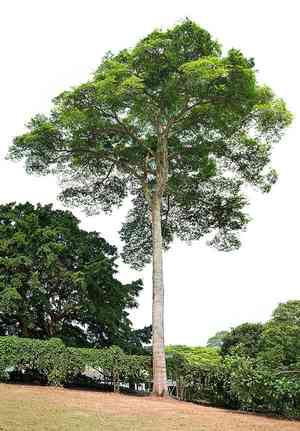
Stinkingtoe (Hymenaea courbaril)
Also known as: West indian locust tree, South american locust, Courbaril plum, Locust
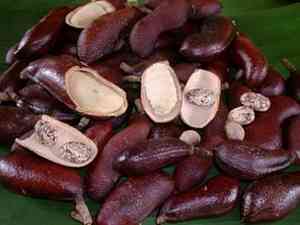
The fruit of the Hymenaea courbaril tree, also known as stinkingtoe, has been consumed by indigenous communities across the Caribbean, Central, and South America. Although it emits a strong odor, the pulp inside is quite sweet. This large tree is valued for its durable hardwood, which is often utilized in furniture making and construction. Additionally, its sap is an ingredient in some perfumes.
In This Article
Attributes of Stinkingtoe
Lifespan
Perennial
Plant Type
Tree
Plant Height
5 m to 10 m
Spread
60 cm to 1.5 m
Leaf Color
Green
Flower Size
2.5 cm to 3 cm
Flower Color
White Yellow Green Cream
Images of Stinkingtoe
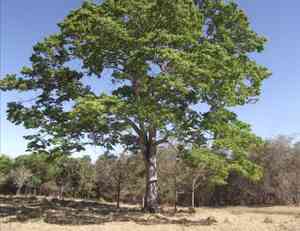
Quickly Identify Stinkingtoe
1
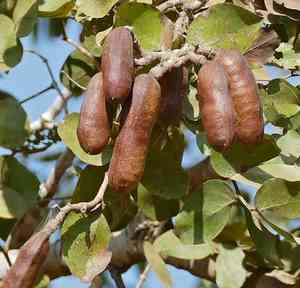
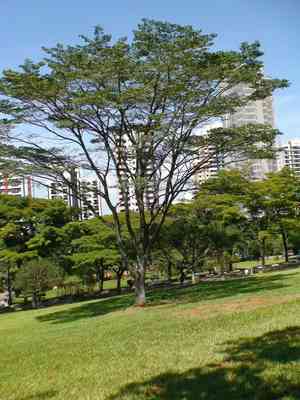
Identify Hymenaea courbaril by its large size, reaching heights up to 30 meters, and its thick, twisted trunk. Its leaves are bifoliate (divided into two leaflets), glossy, and dark green. The fruits are large, brown pods that are distinctive for their strong odor.
Scientific Classification of Stinkingtoe
Phylum
Vascular plants
Class
Dicotyledons
Order
Fabales
Family
Legume
Genus
Hymenaeas
Species
Stinkingtoe
Planting and Growing of Stinkingtoe
Care Difficulty
Easy
Watering Schedule
Every 2 days
Sunlight Requirements
Full sun
Sunshine Duration
4-8 hours
Ideal Temperature
68-86℉
Soil Type
Potting Mix, Peat Mix
Soil pH
6.5-7.5
Fertilizer Type
Balanced
Pruning Season
Spring, Summer
Pruning Area
Branches, Leaves
Pruning Frequency
2 times a year
Repotting Season
Spring
Pot Type
Plastic, Ceramic
 How to Water Stinkingtoe?
For Hymenaea courbaril, water until the soil is moist but not saturated, approximately 500ml per watering. This plant prefers well-draining soil. Make sure the top inch of soil is dry before watering again to avoid root rot.
What are the symptoms of an underwatered Stinkingtoe?
›
What should I do if my Stinkingtoe is not getting enough water?
›
What are the symptoms of an overwatered Stinkingtoe?
›
How to save an overwatered Stinkingtoe?
›
 What Are the Sunlight Requirements for Stinkingtoe?
For optimal development, Hymenaea courbaril thrives in full sun, meaning exposure to 6-8 hours of unfiltered sunlight per day. This condition supports strong growth, prolific flowering, and fruit maturation, safeguarding the plant's overall vigor and health.
More About Sunlight Requirements Techniques→
How much direct sunlight does Hymenaea courbaril require?
›
What are the consequences of insufficient light for Hymenaea courbaril?
›
Can Hymenaea courbaril tolerate partial shade environments?
›
 What Is the Ideal Temperature Range for Stinkingtoe?
Hymenaea courbaril thrives best in a warm climate with temperatures ranging between 68°F and 86°F. This range promotes optimal growth and photosynthesis, providing conditions that mimic its natural habitat.
 What Soil is Best for Stinkingtoe?
Hymenaea courbaril requires well-drained soil to thrive. Good drainage allows for necessary root aeration and prevents waterlogging, which can lead to root rot. Well-drained soil ensures that the tree gets both the moisture and air required, promoting strong root systems and healthy growth. Rich, nutrient-laden soil supports the robust growth of Hymenaea courbaril. Nutrients like nitrogen, phosphorus, and potassium are vital for its foliage and fruit production. Such soil provides essential minerals needed for photosynthesis and metabolic processes, enhancing the tree's overall vigor and resilience. Adequate moisture retention is pivotal for Hymenaea courbaril, ensuring consistent water supply during dry periods. Soils that retain moisture help maintain a stable environment, reducing stress on the tree and preventing issues such as leaf wilting and stunted growth.
 How to Fertilize Stinkingtoe?
Hymenaea courbaril requires a balanced amount of nutrients for optimal growth. For liquid fertilizers, a dilution rate of 1/4 strength is recommended, applied evenly over the root zone to avoid burning. For slow-release fertilizers, use a balanced N-P-K ratio, approximately 100 grams spread across the soil surface per application.
 How to Prune Stinkingtoe?
Start by removing any dead or diseased branches. This not only improves the tree's appearance but also encourages healthier growth by redirecting nutrients to viable branches. Trim the tree to maintain its natural shape. Focus on thinning out dense areas to improve light penetration and air circulation, thus supporting a stronger and more balanced growth structure.
More About Pruning Techniques→
 How to Propagate Stinkingtoe plant?
1
Before sowing, seeds should be soaked in warm water for 24 hours to help soften the hard seed coat. This process promotes faster germination by allowing moisture to penetrate the seed easily.
2
Plant the seeds in a well-draining potting mix. The seeds should be sown about an inch deep and spaced adequately to prevent overcrowding, which can lead to unhealthy growth conditions.
3
Select a healthy branch and cut a 6-inch section using pruning shears. Remove the leaves from the lower half of the cutting and apply rooting hormone on the cut end to enhance root development.
 How to Repot Stinkingtoe plant?
1
Repotting Hymenaea courbaril is necessary when the roots start to coil inside the pot, growth slows significantly, or soil drainage becomes an issue. The best time to do so is in spring or autumn when the plant experiences less stress and can adjust better to its new environment.
2
Select a pot that's 2 inches larger in diameter than the current one, with ample drainage holes. This prevents waterlogging and provides room for root expansion. A breathable pot, like one made of clay, can also help regulate moisture levels, promoting healthier root development.
3
Opt for a well-draining potting mix enriched with organic matter. This soil type fosters good aeration and prevents root rot by allowing excess water to escape. Incorporate materials such as perlite or sand to improve drainage, ensuring the roots remain healthy and vibrant.
Learn More About Stinkingtoe Diseases
Anthracnose
Bacterial Leaf Spot
Bacterial Wilt
Crown Gall
Damping-off
Downy Mildew
Drought Stress
Fusarium Wilt
Gray Mold
Leaf Spot
Mosaic
Nutrient Deficiency
Nutrient Toxicity
Powdery Mildew
Root Rot
Root-knot Nematode
Rusts
Sooty Mold
Spider Mites
Temperature Stress
Thrips Damage
White Mold
Chemical Injury



