How Much Sunlight Do Bitter sneezeweed Need?
1
Bitter sneezeweed thrives in ample sunlight, requiring over six hours of direct sun each day.
2
Bitter sneezeweed can endure some shade if needed, though its flowering might be less prolific.
3
Adequate sun exposure is vital for Bitter sneezeweed's best development and its bright yellow blossoms.
How Much Sunlight Does Bitter sneezeweed Need?
Full Sun Requirements
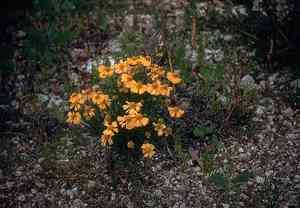
For Bitter sneezeweed to flourish, it needs full sun, meaning over 6 hours of direct sunlight daily. This plant originates from open fields and bright environments, making it well-suited to areas with ample light. Ensuring full sun helps it produce vibrant yellow flowers and maintain robust growth. When planting, choose a spot that receives abundant sunshine throughout the day.
Partial Sun Option
While Bitter sneezeweed thrives best in full sunlight, it can also endure partial sun. This means the plant can manage with 3-6 hours of direct sunlight per day. However, be aware that in partial sun, Bitter sneezeweed might not bloom as profusely. If full sun isn't possible, select the brightest available spot to maximize exposure and support strong growth.
Best Locations for Planting Bitter sneezeweed
Ideal Garden Placement
Selecting the correct garden spot is vital for Bitter sneezeweed's successful growth. Aim for a garden area that receives uninterrupted sunlight for most of the day. Good locations include garden edges, open areas, or sunny spots within a mixed perennial bed. Ensure the soil drains well to prevent waterlogging, which can harm the plant's roots.
Potted Plant Positioning
If cultivating Bitter sneezeweed in containers, place them in a sun-drenched area like a south-facing patio or balcony. This allows the plant to get sufficient sunlight for healthy development. Ensure pots have good drainage to prevent root rot, and consider using a quality potting mix that retains moisture while allowing excess water to escape.
How to Monitor Sunlight Exposure for Bitter sneezeweed
Signs of Sunlight Deficiency
A Bitter sneezeweed plant not getting enough sunlight will show clear signs of trouble. Symptoms of insufficient light include elongated, spindly growth as the plant stretches for light, and fewer or smaller blooms. The foliage might also appear pale and less vibrant. If you notice these signs, try moving your plant to a sunnier location.
Overexposure Symptoms
Although Bitter sneezeweed loves sunshine, too much intense sunlight can cause damage, especially in very hot climates. Symptoms of overexposure include scorched or brown leaves and wilted foliage. To prevent this, plant your Bitter sneezeweed in a spot that gets morning sun and some afternoon shade, particularly in hotter regions.
Optimizing Sunlight for Different Growth Stages
Seedling Sunlight Requirements
When growing Bitter sneezeweed from seeds, it's important to manage sunlight exposure carefully. Seedlings are more delicate and can benefit from filtered sunlight or partial shade until their root systems are stronger. Once they have grown and are more robust, gradually introduce them to full sun conditions.
Mature Plant Sunlight Needs
Mature Bitter sneezeweed plants can endure full sun conditions and will thrive in areas with abundant direct sunlight. Consistent full sun exposure ensures vigorous growth and plentiful blooms. As mature plants are hardier, they can also better tolerate varying weather conditions while still maintaining healthy foliage and flowers.
Common Mistakes to Avoid with Bitter sneezeweed Sunlight
Insufficient Sunlight
One of the most common errors gardeners make is placing Bitter sneezeweed in a spot with inadequate sunlight. Without enough direct sun, the plant may struggle, leading to poor growth and reduced flowering. Always ensure your Bitter sneezeweed receives the optimal amount of light to thrive.
Overexposure to Intense Sun
Conversely, overexposing Bitter sneezeweed to intense midday sun, especially in very hot climates, can cause heat stress and leaf scorching. To prevent damage, consider providing some afternoon shade if you notice signs of overexposure, such as leaf burn or wilting during peak sunlight hours.



