How to Prune Bitter sneezeweed?
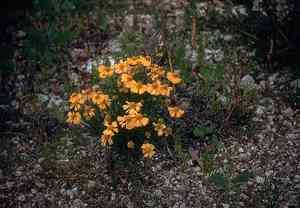
Indigenous to North America, bitter sneezeweed flourishes under direct sunlight and endures infertile ground. To achieve robust development and abundant blossoms, routinely remove faded blooms to stimulate fresh buds. In spring, shorten stems to foster a denser growth habit. Removing spent flowers during summer preserves its look and hinders self-propagation. During autumn, drastically cut back to revitalize it for the subsequent season. Strategic trimming averts excessive density and illness, guaranteeing a lively, compact specimen with extended flowering.
What Are the Benefits of Pruning Bitter Sneezeweed?
What Are the Benefits of Pruning Bitter Sneezeweed?
Trimming bitter sneezeweed promotes robust development and helps maintain its desired form. This action can result in a stronger and more visually appealing specimen, aligning with gardening objectives.
What Is the Best Time for Pruning Bitter Sneezeweed?
What Is the Best Time for Pruning Bitter Sneezeweed?
Pruning bitter sneezeweed in spring stimulates new growth, leading to a more sturdy plant structure. This timing allows bitter sneezeweed to recover from trimming before its active growth phase. Early summer pruning is ideal for removing faded flowers and encouraging a second flush of blooms. It also helps maintain the plant's shape and vitality. Fall pruning, once flowering has ceased, is suitable for removing any dead or diseased foliage, which helps prevent pests and diseases from overwintering. It is crucial to avoid late fall or winter pruning, as new growth might be too delicate to withstand cold weather. Seasonal pruning aligned with bitter sneezeweed's growth cycle ensures the plant's health and optimizes its flowering potential.
What Tools Do I Need to Prune Bitter Sneezeweed?
Hand Pruners
Suitable for cutting stems of bitter sneezeweed up to 1/2 inch in diameter. Useful for deadheading and trimming spent flowers to encourage new growth and a neat appearance.
Gardening Shears
Effective for shaping the plant and for removing larger sections of foliage. Garden shears provide a clean cut, ensuring minimal damage to the remaining stems.
Long-Handled Loppers
Ideal for reaching into denser portions of bitter sneezeweed without harming surrounding plants. Helpful when thinning out crowded areas; they offer better leverage for thicker stems that hand pruners cannot manage.
How to Prune Bitter Sneezeweed
Disinfect tools
Before starting, sanitize all pruning tools using isopropyl alcohol or a 10% bleach solution to prevent the spread of disease to bitter sneezeweed.
Identify diseased
Examine bitter sneezeweed carefully and identify any withered leaves that are dead or diseased, as these can hinder growth and may harbor pathogens.
Cut withered leaves
Using sharp, clean pruning shears, trim off the withered leaves at the base where they meet the stem or a healthy part of the plant. Make clean cuts to avoid damaging bitter sneezeweed.
Dispose trimmed material
Remove all trimmed material from the area around bitter sneezeweed to prevent the spread of diseases and deter pests.
Cleanup
After pruning, clean the tools again and dispose of the withered leaves properly, preferably by burning or binning them, as they could contain pathogens harmful to bitter sneezeweed.
Common Pruning Mistakes with Bitter Sneezeweed
Incorrect cut positions
Snipping too far above or below the leaf node can lead to improper healing. Cutting too closely can damage the growth node, while leaving too much of a stem can cause rot.
Overpruning
Removing too much foliage from bitter sneezeweed can stress the plant, reduce its vigor, and diminish its ability to flower abundantly.
Not sanitizing tools
Failure to clean pruning tools before use can introduce pathogens to bitter sneezeweed, potentially causing disease and pest infestations.
Neglecting deadheading
Forgetting to deadhead or remove spent flowers from bitter sneezeweed can stop the plant from producing new blooms and directing energy into seed production instead.
Uneven pruning
Pruning without assessing the overall shape and health of bitter sneezeweed can lead to an undesirable, uneven appearance and poor plant structure.
Common Pruning Tips for Bitter Sneezeweed
Sharp clean tools
Use sharp, sanitized pruning shears for clean cuts that heal quickly and minimize the risk of disease transmission to bitter sneezeweed.
Cut above leaf nodes
Make pruning cuts just above leaf nodes or branching points, promoting healthy new growth and maintaining a natural plant shape.
Thin overcrowded areas
Thin out densely packed stems to increase air circulation and light penetration, which are crucial for bitter sneezeweed to stay healthy and produce vibrant flowers.
Monitor plant response
After pruning, observe bitter sneezeweed's response. Healthy new growth is a sign of proper pruning; adjust techniques if the plant shows signs of stress or poor recovery.
Integrate deadheading
Regularly deadhead bitter sneezeweed to encourage more blooms and a prolonged flowering period, ensuring energy is not wasted on seed production.



