How Much Sunlight Do Carolina Silverbell Need?
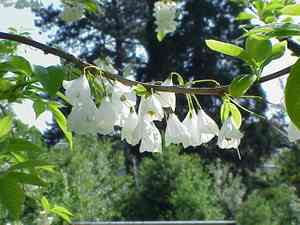
1
Carolina Silverbell needs over six hours of direct sun each day.
2
Adequate light is vital for Carolina Silverbell's robust development and flowering.
3
Observe for indications such as scorched leaves and diminished blooms to modify sun exposure.
Ideal Light Conditions for Carolina Silverbell
Sunlight Quantity
Carolina Silverbell flourishes best in full sun, requiring a minimum of 6 hours of direct sunlight daily. It can adapt to partial sun, but for peak performance, sufficient light is crucial. Placing it where it gets morning sun aids its growth and flowering.
Prime Time for Sun Exposure
The best time for Carolina Silverbell to receive sunlight is during the morning and early afternoon. Morning light is gentler and provides balanced illumination vital for its development. Avoid intense midday sun, especially in warmer regions, as it can cause leaf burn.
Importance of Proper Sunlight for Carolina Silverbell
Role in Energy Production
Sunlight is fundamental for photosynthesis, the process by which plants, including Carolina Silverbell, convert light into energy. Adequate sunlight ensures the plant generates enough energy for growth, upkeep, and reproduction, leading to vibrant foliage.
Effect on Development and Blossoming
Sunlight significantly influences Carolina Silverbell's growth rate and blooming. With proper light, the plant grows robustly and produces abundant flowers. Insufficient light can lead to stunted growth and fewer blooms, making regular monitoring and adjustment of light exposure important.
Signs Your Carolina Silverbell Is Receiving Too Much Sun
Leaf Burn and Discoloration
Excessive sunlight can cause Carolina Silverbell leaves to scorch, turning them brown or yellow. Burned leaves often lose their vibrant color and become dry and brittle. If these signs appear, consider providing some shade during the hottest parts of the day.
Wilting or Crispy Edges
Too much sun exposure can lead to wilting and burnt damage on the leaf margins. If you observe wilting even with sufficient watering or crispy edges, it suggests the plant may be getting too much direct sunlight. Adjusting its location or using shade cloth can be beneficial.
Signs Your Carolina Silverbell Is Not Receiving Enough Sun
Sparse Foliage and Stretched Growth
Insufficient sunlight can result in thin foliage and elongated, stretched growth as the plant reaches for light. This leggy growth not only diminishes its aesthetic appeal but also weakens the plant's structure.
Reduced Bloom Production
A lack of adequate sunlight can significantly decrease Carolina Silverbell's flowering. The plant may produce fewer blooms or none at all if not exposed to enough light. Ensuring proper sunlight helps maintain its bloom cycle and overall health.
How to Adjust Sunlight Exposure for Carolina Silverbell
Positioning and Location
Place your Carolina Silverbell in an area where it can receive morning sun, which is less intense but effective for its growth. Adjusting its position based on seasonal light changes helps ensure consistent exposure.
Utilizing Shade Cloth or Screens
If your plant is exposed to excessive sun, consider using shade cloth or screens to diffuse the light during peak hours. This helps protect it from intense UV rays and prevents scorching or wilting.
Seasonal Adjustments
Carolina Silverbell's light requirements can vary with the seasons. In winter, when days are shorter, ensure it gets maximum sunlight by placing it in the brightest available spot. In summer, regulate exposure to avoid the harsh midday sun.



