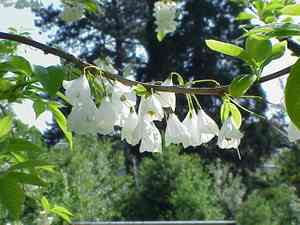
Carolina Silverbell (Halesia carolina)
Also known as: Carolina Snowdrop
The Carolina Silverbell (Halesia carolina) is indigenous to the southeastern region of the United States. It is commonly found on lower mountain slopes and near stream beds, where its white flowers are a notable feature. The genus name “Halesia” honors Reverend Stephen Hales, an English botanist and physiologist recognized for his scientific contributions.
In This Article
Attributes of Carolina Silverbell
Lifespan
Perennial
Plant Type
Tree, Shrub
Plant Height
9 m to 12 m
Spread
4.5 m to 9 m
Leaf Color
Green Yellow
Flower Size
2.5 cm
Flower Color
White Pink
Images of Carolina Silverbell
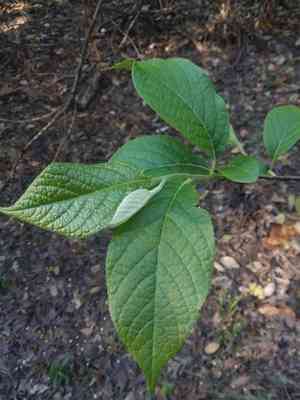
Quickly Identify Carolina Silverbell
1
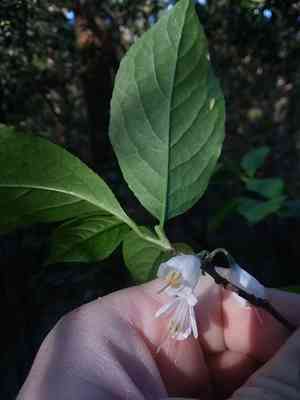
Bell-shaped white flowers, 1 inch (2.5 cm) long, cascade from slender branches in spring.
2
Distinctive oblong 4-winged drupes, 1-2 inches (2.5-5 cm) long, ripen in late summer.
3
Ovate-oblong leaves, 2-5 inches (5-12.7 cm) long, turn yellow in autumn, pubescent underside.
4
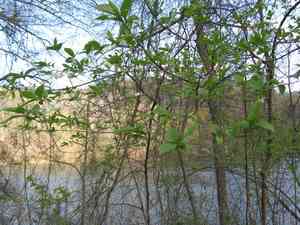
Irregularly branched stem with stringy twigs, light green young shoots, and pubescent texture.
5
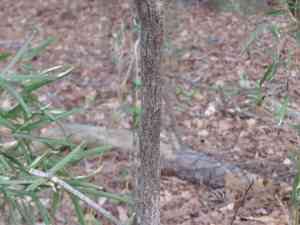
Smooth grey bark with dark vertical fissures in youth, evolving into rich reddish-brown scales.
Scientific Classification of Carolina Silverbell
Phylum
Vascular plants
Class
Dicotyledons
Order
Ericales
Family
Storax
Genus
Silverbells
Species
Carolina Silverbell
Planting and Growing of Carolina Silverbell
Care Difficulty
Easy
Watering Schedule
Every 4 days
Sunlight Requirements
Partial sun
Sunshine Duration
4-6 hours
Ideal Temperature
60-75℉
Soil Type
Potting Mix, Peat Mix
Soil pH
5.5-7
Fertilizer Type
Balanced
Pruning Season
Spring, Summer
Pruning Area
Branches, Leaves
Pruning Frequency
2 times a year
Repotting Season
Spring
Pot Type
Terracotta, Plastic
 How to Water Carolina Silverbell?
The amount of water for Halesia carolina should ensure the soil is evenly moist but not soggy. Aim for about 1000 ml per watering session, enough to penetrate the soil and reach the roots without leaving excess water pooling. It's important to check the top inch of soil and water once it's dry.
What are the symptoms of an underwatered Carolina Silverbell?
›
What should I do if my Carolina Silverbell is not getting enough water?
›
What are the symptoms of an overwatered Carolina Silverbell?
›
How to save an overwatered Carolina Silverbell?
›
 What Are the Sunlight Requirements for Carolina Silverbell?
Halesia carolina best thrives in partial sun conditions. Ideal lighting promotes vigorous growth, lush foliage, and prolific flowering, creating a more vibrant and healthy plant overall.
More About Sunlight Requirements Techniques→
What is the optimal sunlight exposure for Halesia carolina?
›
How can I ensure my Halesia carolina gets the ideal light?
›
What benefits does ideal lighting provide to Halesia carolina?
›
 What Is the Ideal Temperature Range for Carolina Silverbell?
The ideal temperature range for Halesia carolina, commonly known as the Carolina silverbell, is between 60°F to 75°F. This range provides the optimal environment for healthy growth and blooming. Within this temperature window, the plant can efficiently carry out photosynthesis and metabolism, leading to robust growth and vibrant flowers.
 What Soil is Best for Carolina Silverbell?
Halesia carolina thrives best in well-drained soils which prevent waterlogging and promote root health. This plant's roots appreciate the ease with which nutrients are absorbed in such soils, ensuring robust growth. Consistent moisture is key for Halesia carolina. The soil should be able to hold moisture without becoming waterlogged, supporting optimal hydration, aiding nutrient uptake, and ensuring the plant does not suffer from drought stress. Soils enriched with organic matter support Halesia carolina by providing necessary nutrients and enhancing soil structure, which in turn enhances root health and overall plant vigor.
 How to Fertilize Carolina Silverbell?
For Halesia carolina, it's recommended to apply a balanced fertilizer with an N-P-K ratio of 10-10-10. Use approximately 1/4 cup for young plants and increase to 1/2 cup for mature trees. Always follow the manufacturer’s instructions to avoid over-fertilization.
 How to Prune Carolina Silverbell?
Begin by carefully examining the tree for any dead or diseased branches. Use clean, sharp pruning shears to cut these branches back to healthy wood or to the trunk. Removing them will prevent the spread of disease and improve the overall appearance and health of the tree. To enhance the natural shape of the Halesia carolina, prune back overgrown branches or those that disrupt the tree's aesthetic form. Aim for an open, vase-shaped structure that allows sunlight to penetrate the canopy, which is beneficial for overall growth. Thin out crowded areas of the tree by selectively removing branches. This will not only improve air circulation within the canopy, reducing the risk of fungal diseases but also allow more light to reach inner branches, promoting healthy growth.
More About Pruning Techniques→
 How to Propagate Carolina Silverbell plant?
1
Harvest seeds from Halesia carolina when the seed pods turn brown in late summer. Dry them thoroughly to prevent mold during storage.
2
Use a mixture of peat moss and vermiculite in seed trays for seed propagation. The soil should be well-draining to prevent waterlogging.
3
Use pruning shears to take stem cuttings of about 4 to 6 inches long. Each cutting should have several nodes and be taken from healthy, semi-mature wood.
 How to Repot Carolina Silverbell plant?
1
Repotting Halesia carolina is best done in spring when new growth begins. Look for signs like roots growing out of drainage holes or the plant becoming top-heavy. A pot-bound plant has slowed growth, indicating it's time for a new home.
2
Select a pot that is 2-3 inches larger in diameter than the current one. Opt for pots with drainage holes to prevent waterlogging. A slightly larger pot encourages healthy root expansion without overwhelming the plant with excess soil.
3
Use a well-draining acidic potting mix to suit Halesia carolina’s preferences. This soil type prevents root rot by facilitating proper water drainage, mimicking the plant's natural forest habitat and promoting vigorous growth.



