How to Prune Carolina Silverbell?
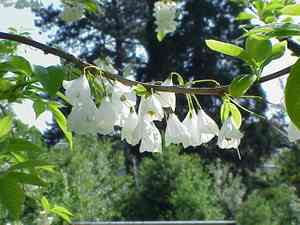
This shedding tree, recognized for its campanulate white blossoms, thrives with trimming to preserve its form and vitality. For carolina Silverbell, conduct pruning in late winter or early spring prior to the emergence of new shoots. Eliminate any deceased or impaired limbs, thin congested sections to improve light access, and eradicate basal suckers. Pruning while the tree is dormant lessens sap leakage and diminishes the likelihood of ailments. Appropriate pruning encourages robust development and abundant blooms in the following period.
Advantages of Trimming Carolina Silverbell
Advantages of Trimming Carolina Silverbell
Pruning carolina Silverbell promotes robust development and preserves its decorative shape. Regular trimming stimulates fresh growth, leading to a denser, more resilient plant. Strategic cuts can also enhance its inherent form, adding to the plant's aesthetic value in the landscape.
Optimal Time for Pruning Carolina Silverbell
Optimal Time for Pruning Carolina Silverbell
Pruning 'carolina Silverbell' in late winter or early spring is ideal because the plant is still dormant, minimizing stress and directing energy towards healing rather than growth. This timing prevents the loss of the current yearâs blooms, as 'carolina Silverbell' flowers on the previous yearâs growth. Additionally, the plantâs structure is more visible during dormancy, allowing for more precise cutting. Trimming before new growth begins helps maintain plant health and shape, and maximizes flowering potential for the upcoming season.
Necessary Tools for Pruning Carolina Silverbell
Bypass Hand Pruners
Perfect for making clean cuts on carolina Silverbell's smaller branches and twigs. These pruners create smooth cuts that heal quickly.
Loppers
Suitable for cutting thicker branches of carolina Silverbell, typically up to 1.5 inches in diameter. The long handles provide leverage for clean cuts and reduce strain on the gardener's hands.
Pruning Saw
A pruning saw is useful for carolina Silverbell's larger branches that are over 1.5 inches in diameter. The saw allows for precision cutting without causing damage to the main structure of the plant.
Pole Pruner
For carolina Silverbell's higher, hard-to-reach branches, a pole pruner can be very effective. It allows the gardener to trim branches without the use of a ladder.
Hedge Shears
If shaping is required on the denser foliage or outer form of carolina Silverbell, hedge shears can be used for quick and even trimming. However, they should be used sparingly to avoid excessive cutting back.
How to Prune Carolina Silverbell
Sterilize
Before pruning, sterilize pruning tools with a solution of one part bleach to nine parts water to prevent the spread of disease.
RemoveDeadBranches
Carefully remove any dead branches by cutting at the point where they meet healthy wood. Use sharp, clean pruning shears for small branches and a saw for larger ones, making clean cuts without tearing the bark.
EliminateDiseasedBranches
Identify and trim away any diseased branches, making cuts well into the healthy tissue to ensure complete removal of affected areas. Sanitize tools between cuts if the disease is known to spread easily.
Thinning
Thin out dense areas of the canopy by removing some of the inner branches. This increases air circulation and light penetration, which can help reduce the incidence of disease.
WoundCare
After pruning, apply a wound sealing product, if recommended for carolina Silverbell, to any cut surfaces larger than one inch in diameter to protect against disease and pests.
Common Pruning Errors with Carolina Silverbell
Over-pruning
Removing too much foliage can stress carolina Silverbell, reducing its vigor and bloom potential.
Improper cut location
Cuts made too far from a bud or node can result in dead stubs while those too close can damage the bud.
Tearing bark
Making improper cuts can tear the bark and harm carolina Silverbell's delicate cambium layer, leading to disease entry.
Not sanitizing tools
Using dirty pruning tools can introduce pathogens to carolina Silverbell, increasing the risk of disease.
Shearing
Carolina Silverbell does not respond well to shearing; this can lead to a reduction in its natural form and fewer flowers.
Pruning into old wood
Severely cutting back into old wood might not rejuvenate carolina Silverbell as it might not readily produce new growth from old stems.
General Pruning Advice for Carolina Silverbell
Sharp clean tools
Always use sharp and sanitized pruning tools to make clean cuts and prevent disease spread.
Selective pruning
Thin out crowded branches to improve air circulation and light penetration, which is crucial for carolina Silverbell's health and flower production.
Cutting angle
Make cuts at a 45-degree angle just above an outward-facing bud to encourage outward growth and prevent water accumulation.
Protective growth removal
Remove suckers, water sprouts, and dead or damaged wood to preserve the energy for healthy growth and abundant blooms.
Natural shape maintenance
Prune to maintain carolina Silverbell's natural vase shape, avoiding over-shaping which can diminish its ornamental appeal.
Mulching after pruning
Apply a layer of mulch after pruning to help conserve moisture and protect the roots, encouraging a strong recovery.



