How Much Sunlight Do Peacock plant Need?
1
Peacock plants flourish optimally in subdued to moderate indirect illumination.
2
Direct sun exposure can lead to burning of the Peacock plant's foliage.
3
Supplemental artificial lighting can aid indoor Peacock plant growth when natural light is insufficient.
Optimal Illumination Conditions for the Peacock Plant
Natural Light Needs
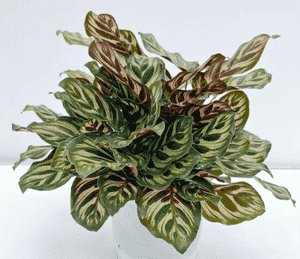
The Peacock plant, recognized for its distinctively patterned foliage, thrives in subdued to moderate indirect illumination. It naturally inhabits forest floors where sunlight is scattered and filtered by the tree canopy. Aim for approximately two to three hours of indirect sun daily. Direct sun exposure can be detrimental, leading to leaf scorching or fading. It's best to avoid placing your Peacock plant in direct sunlight, especially during peak intensity hours.
Indoor Placement for Best Light
Positioning is crucial when cultivating the Peacock plant indoors. Select a location near a north or east-facing window where the light is gentle and diffused. If only a south or west-facing window is available, ensure a sheer curtain is used to soften the sunlight. Keeping the plant out of direct sun will prevent leaf burn and preserve its vivid colors.
Utilizing Artificial Light for the Peacock Plant
When natural light is insufficient, particularly during the darker winter periods, artificial illumination can be an excellent alternative. Full-spectrum fluorescent lamps or LED grow lights positioned about 12-18 inches (30-45 cm) from the plant can supply the necessary light energy. This is especially beneficial if your home lacks adequate natural light or if you are cultivating multiple plants indoors.
Indicators Your Peacock Plant is Receiving Excessive Light
Signs of Light Damage
Overexposure to light can manifest in various ways. A common indicator is leaf scorch, where the leaf edges become brown and brittle. You might also observe the vibrant patterns on the leaves becoming less defined or dull. If new growth appears stunted or malformed, it could signal that your plant is getting too much sunlight.
Adjusting Light Exposure
If you notice any indications of light damage, promptly relocate your Peacock plant to a more shaded area. You can also employ sheer curtains or blinds to reduce the intensity of incoming light. Gradually acclimatize your plant to its new setting to prevent shock. Continuously observe the plant for improvements in its condition.
Signs Your Peacock Plant Requires More Light
Symptoms of Light Deficiency
A Peacock plant not receiving enough light will display specific warning signs. A prominent symptom is that the leaves will begin to lose their vibrant hues and become more uniformly colored. Additionally, the plant may become leggy, producing elongated stems with sparse foliage as it attempts to reach for more light. A reduced growth rate is another common sign of insufficient light.
Best Practices for Increasing Light Exposure
To correct light deficiency, start by moving your Peacock plant closer to a light source, ensuring it remains shielded from direct sunlight. Consider rotating the plant every few days to guarantee even light distribution. If natural light sources are limited, supplement with artificial grow lights placed at an appropriate distance to provide a balanced light spectrum.
Seasonal Variations in Light Requirements for the Peacock Plant
Adapting to Seasonal Light Changes
Light availability naturally shifts with the seasons, affecting indoor plants like the Peacock plant. During the bright summer months, you might need to provide more shade to shield the plant from excessive light. Conversely, in the darker winter months, moving the plant closer to a light source or supplying additional artificial light will help maintain its vitality.
Maintaining Consistent Light Year-Round
To ensure your Peacock plant thrives throughout the year, be proactive in adjusting its light conditions seasonally. Regularly monitor the plant's health and vigor, making gradual adjustments as needed. Utilizing a combination of natural and artificial light sources can help you maintain a stable light environment, ensuring your plant remains vibrant and robust all year long.



