How Much Sunlight Do Giant herb-robert Need?
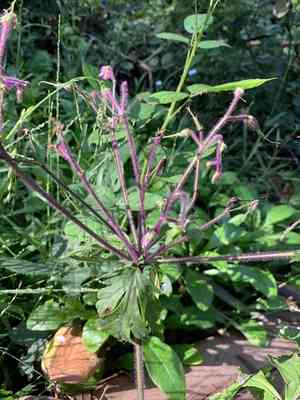
1
Giant herb-robert flourishes optimally in areas receiving ample sunlight, needing a minimum of six hours of direct sun each day.
2
While it can endure some shade, its most vigorous blooming and development are achieved with maximum sun exposure.
3
Watch for signs of scorching during intense heat to safeguard your Giant herb-robert.
Ideal Light Conditions for Giant herb-robert
Full Sun Needs
The Giant herb-robert thrives with abundant sunlight. For peak development, it requires at least 6 hours of direct sun daily. Full sun exposure promotes vivid blossoms and vigorous growth. Optimal light typically occurs in open garden areas where the plant can receive sun all day. To ensure sufficient light, avoid overly shaded spots or areas where structures or other plants might cast shadows.
Partial Shade Adaptability
While full sun is preferred, the Giant herb-robert is quite flexible and can endure partial shade. If your garden has areas with dappled light or only direct sun for part of the day, this plant can still perform well. In partial shade, expect slightly fewer flowers and a potential difference in growth rate. This tolerance makes it a versatile option for gardens with less than ideal full sun conditions.
Understanding Light Strength
Light strength significantly impacts the Giant herb-robert's health and development. Even in full sun, light quality and intensity can vary by geographic location and climate. Near the equator, sunlight is more intense, and you might need to offer some afternoon shade to prevent scorching. Conversely, milder sunlight areas can tolerate more direct exposure without extra protection. Adjust the plant's location as needed to balance light intensity and prevent plant stress.
Sunlight's Impact on Giant herb-robert
Growth and Development
Sunlight directly influences the Giant herb-robert's growth and overall development. Sufficient sunlight ensures the plant has ample energy for photosynthesis, leading to healthy foliage and strong stems. Without enough light, the plant may become leggy, with thin stems and sparse leaf growth. Consistent full sunlight exposure helps the plant maintain a compact, bushy form and reach its full growth potential.
Flowering and Bloom Quality
One of the most attractive features of the Giant herb-robert is its beautiful flowers. Sunlight is crucial for the quality and quantity of blooms. Plants grown in full sun are more likely to produce abundant, vibrantly colored flowers. Conversely, partial shade may reduce the number of blooms, and the flowers might be less vibrant. Ensuring your Giant herb-robert receives ample sunlight will reward you with a spectacular display.
Potential Sunburn Issues
Although the Giant herb-robert loves sun, extreme heat and intense light can sometimes cause sunburn, appearing as scorched or bleached leaves. This usually happens in very hot climates or during peak summer heatwaves. To prevent sunburn, provide some shade during the hottest parts of the day, especially in the afternoon, or consider using shade cloths. Monitor the plant, and at the first sign of sunburn, adjust its exposure accordingly.
Positioning Giant herb-robert for Optimal Sunlight
Best Garden Locations
To maximize sunlight exposure, place your Giant herb-robert in the brightest spots in your garden. South-facing areas are ideal as they receive the most sunlight throughout the day. Avoid planting it near tall trees or buildings that might cast long shadows. Raised beds or garden borders that capture the full path of the sun can also be excellent placements.
Indoor Placement Advice
If growing Giant herb-robert indoors, a south-facing window is your best option. This position ensures the plant gets the maximum available light. If natural light is limited, consider supplementing with grow lights to meet its light needs. Rotate the plant occasionally to ensure even light distribution and prevent uneven growth.
Utilizing Reflective Surfaces
Reflective surfaces like mirrors or white walls can significantly enhance light conditions for your Giant herb-robert. By bouncing extra light onto the plant, you can ensure it receives as much light as possible. This is especially useful indoors or in partially shaded garden spots. Position these surfaces strategically to direct more sunlight onto the plant without causing excessive heat buildup.
Adjusting Sunlight Exposure for Seasonal Changes
Managing Winter Light Levels
During winter, available sunlight decreases, making it vital to adjust the plant's positioning. Move the Giant herb-robert to the sunniest available spot and consider using supplemental lighting to simulate longer daylight hours. This adjustment helps maintain the plant's health and prepares it for vigorous growth in the spring.
Handling Summer Sun Intensity
In summer, the sun's intensity increases, which can sometimes be too strong for the Giant herb-robert. To prevent sunburn, provide some shade during peak sunlight hours, ideally between noon and 3 PM. Using shade cloths or strategically placing taller plants to offer shade can effectively protect your Giant herb-robert from excessive sun exposure.
Climate-Specific Adjustments
Climate plays a crucial role in determining how much sun exposure your Giant herb-robert can tolerate. In cooler climates, full sun is generally safe and beneficial. However, in hotter regions, providing intermittent shade during peak hours can prevent damage from too much light. Adjust your plant care practices based on your local climate conditions to ensure the best outcomes for your Giant herb-robert.



