How to Prune Giant herb-robert?
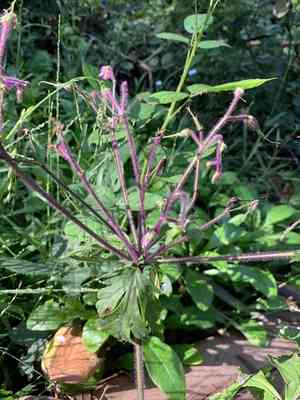
Originating from Madeira, the giant herb-robert, distinguished by its expansive and abundant leaves, flourishes with consistent trimming to preserve its form and stimulate fresh development. Remove deceased or discolored foliage at any time, and shorten elongated stems to enhance air movement. Pruning should be minimal to avoid stress, as this plant can bloom yearly. The ideal period for a more comprehensive trim is after flowering to safeguard the blossoms. Routine pruning aids in managing its dimensions and averts prevalent ailments by fostering robust air circulation.
What Are the Benefits of Pruning Giant Herb-robert?
What Are the Benefits of Pruning Giant Herb-robert?
Trimming giant herb-robert promotes abundant blooms, stimulates growth, and maintains its desired shape. Strategic cuts improve light exposure and air circulation, crucial for flower production and vitality, while also shaping the plant for aesthetic appeal and size control.
What Is the Best Time for Pruning Giant Herb-robert?
What Is the Best Time for Pruning Giant Herb-robert?
Pruning giant herb-robert from late winter to early spring aligns with its natural growth cycle by removing dead or damaged leaves after winter dormancy and before new growth starts. This timing also lowers disease risk, as open wounds heal faster in cooler weather. Pruning before intense summer heat helps prevent stress on giant herb-robert, ensuring it has enough energy to recover and produce healthy growth. Additionally, pruning before the main flowering period allows gardeners to shape the plant without sacrificing blooms.
What Tools Do I Need to Prune Giant Herb-robert?
Bypass Pruners
Perfect for making clean, precise cuts on giant herb-robert's green or semi-woody stems, bypass pruners cause minimal harm to plant tissues, encouraging healthy regrowth.
Gardening Gloves
To shield hands from giant herb-robert's potentially sharp edges and maintain good hygiene during the pruning process.
Pruning Saw
Useful for cutting through any thick, woody stems that giant herb-robert might develop, especially for older plants with tougher growth.
Garden Shears
For shaping and managing the overall growth of giant herb-robert, particularly for easily and precisely trimming off any dead or diseased foliage.
How to Prune Giant Herb-robert
Sanitation
Before pruning giant herb-robert, sterilize all pruning tools with a solution of one part bleach to nine parts water to prevent disease spread.
Removal of Diseased Parts
Carefully remove any diseased leaves and branches by cutting them back to the base or to the nearest healthy wood. Ensure clean cuts and avoid excessive tearing to promote effective healing.
Clearing Dead Material
Trim away all dead branches and withered leaves from giant herb-robert. Make these cuts at the point of origin or to the nearest healthy growth, being careful not to damage the stem.
Deadheading
Locate withered flowers on giant herb-robert and deadhead by pinching off the flower head or using pruning shears if stems are thick. This encourages more blooms, removes potential disease sources, and improves appearance.
Clean Up
After pruning giant herb-robert, clear all cuttings from the area to prevent disease spread or pest attraction to plant debris.
Common Pruning Mistakes with Giant Herb-robert
Overpruning
Removing too much foliage from giant herb-robert can severely weaken the plant. This species does not tolerate heavy pruning well and can suffer from reduced flowering or even death if over-pruned.
Improper cut location
Cutting too close to the main stem or too far away can harm giant herb-robert. The correct pruning technique involves cutting just above a leaf node to encourage proper regrowth.
Using dull tools
Employing dull pruning shears can cause jagged cuts that are more susceptible to infection. Sharp, clean tools are essential for making clean cuts that heal quickly, promoting the health of giant herb-robert.
Neglecting to prune
Failing to remove dead or damaged foliage can hinder the growth and flowering of giant herb-robert. Regular maintenance is essential to keep the plant vigorous and healthy.
Common Pruning Tips for Giant Herb-robert
Sanitation
Clean pruning tools before and after use to prevent the spread of pathogens to giant herb-robert. Sterilize the shears with alcohol or a 10% bleach solution to eliminate potential contaminants.
Selective pruning
Target only dead, diseased, or damaged foliage for removal. Giant herb-robert benefits from a conservative approach to pruning, which helps maintain its natural shape and maximize flowering.
Timing
Avoid pruning giant herb-robert when new growth is just beginning to emerge. Pruning should be done after flowering to give the plant time to set new buds for the future.
Cut angle
Make cuts at a 45-degree angle, sloping away from the leaf node. This angle helps repel water away from the cut, reducing the likelihood of fungal infections in giant herb-robert.
Post-prune care
After pruning giant herb-robert, provide the plant with adequate water and potentially a balanced, slow-release fertilizer to support recovery and new growth.



