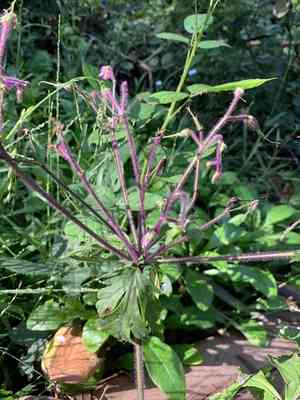
Giant herb-robert (Geranium maderense)
Also known as: Madiera cranesbill
The sticky catchfly (Lychnis viscaria) is a notable ornamental plant known for its vibrant pink and lilac flowers, which add a splash of color to garden beds and borders. Its stems and sepals are covered in sticky hairs that trap insects, aiding in pollination.
In This Article
Attributes of Giant herb-robert
Lifespan
Perennial, Biennial
Plant Type
Herb
Plant Height
30 cm
Spread
20 cm
Leaf Color
Green Blue
Flower Size
2.5 cm to 5 cm
Flower Color
Pink
Images of Giant herb-robert
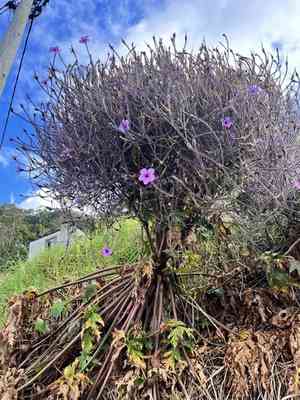
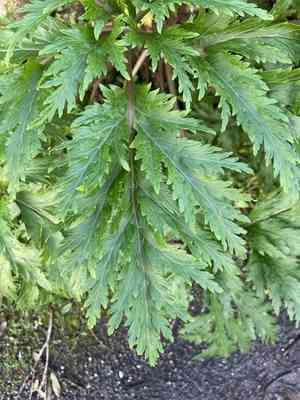
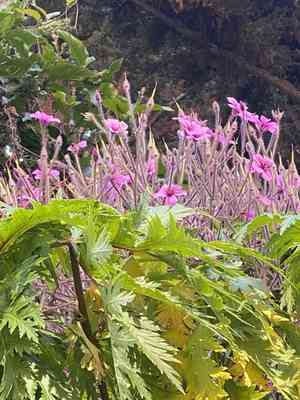
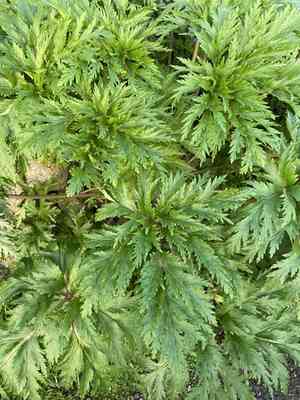
Quickly Identify Giant herb-robert
1
Large, deeply dissected dark green leaves creating a dense mound.
2
Mauve-pink flowers, 1 inch (2.5 cm) wide, on a 5 feet (1.5 meters) tall inflorescence.
3
Purple hairs on flowers and stems that glisten in the light.
4
Purple hairs maintain decorative value post-blooming.
Scientific Classification of Giant herb-robert
Phylum
Vascular plants
Class
Dicotyledons
Order
Geraniales
Family
Geranium
Genus
Geraniums
Species
Giant herb-robert
Planting and Growing of Giant herb-robert
Care Difficulty
Moderate
Watering Schedule
Every 3 days
Sunlight Requirements
Partial sun
Sunshine Duration
6-12 hours
Ideal Temperature
60-75℉
Soil Type
Potting Mix, Peat Mix
Soil pH
6.5-7.5
Fertilizer Type
Balanced
Pruning Season
Spring, Summer
Pruning Area
Branches, Leaves
Pruning Frequency
2 times a year
Repotting Season
Spring
Pot Type
Plastic, Ceramic
 How to Water Giant herb-robert?
Geranium maderense requires around 500 ml of water each time you water it. Ensure the soil is evenly moist but not waterlogged. The key is to maintain consistent moisture without drowning the roots. Check the top inch of soil; it should feel slightly damp, not dry or soggy.
What are the symptoms of an underwatered Giant herb-robert?
›
What should I do if my Giant herb-robert is not getting enough water?
›
What are the symptoms of an overwatered Giant herb-robert?
›
How to save an overwatered Giant herb-robert?
›
 What Are the Sunlight Requirements for Giant herb-robert?
Geranium maderense prefers partial to full sun exposure, optimizing for 4 to 6 hours of sunlight. Sufficient light aids in maintaining vibrant blooms and robust growth, providing energy for healthy photosynthesis and resilience.
More About Sunlight Requirements Techniques→
Ideal Lighting Duration
›
Location for Optimal Lighting
›
Benefits of Adequate Lighting
›
 What Is the Ideal Temperature Range for Giant herb-robert?
Geranium maderense thrives best in temperatures ranging from 60°F to 75°F. This range ensures that the plant receives enough warmth to foster healthy growth while avoiding extremes that could hinder its development. Ideal temperatures help in sustaining the plant’s natural growing cycle, promoting vibrant foliage, and encouraging prolific flowering. Proper temperature management is crucial to maintain the plant's health and vitality.
 What Soil is Best for Giant herb-robert?
Geranium maderense thrives in well-draining soil to prevent root rot. Proper drainage ensures the roots receive enough oxygen, promoting healthy growth and vibrant bloom cycles. Rich organic matter in the soil enhances the plant's growth by supplying essential nutrients. This leads to lush foliage and robust flowering during the blooming season. Slight moisture retention is crucial for this plant to maintain hydration without waterlogging. This balance helps the plant withstand dry spells while ensuring adequate nutrient uptake.
 How to Fertilize Giant herb-robert?
For Geranium maderense, the recommended fertilizer amount should be moderate. Use about half the strength of a balanced liquid fertilizer or a slow-release granular type to provide essential nutrients without overwhelming the plant. Over-fertilization could harm the plant, while under-fertilization can lead to poor growth.
 How to Prune Giant herb-robert?
Begin by inspecting the plant for any dead, discolored, or damaged leaves. Removing these will help the plant focus its energy on new, healthy growth and will improve the overall appearance of your Geranium maderense. To maintain a compact and bushy form, pinch back any stems that appear leggy or elongated. This encourages side branching, resulting in a fuller plant with more flowers.
More About Pruning Techniques→
 How to Propagate Giant herb-robert plant?
1
Collect seeds from the plant after flowering. Clean them and dry them before sowing. Use a seed tray filled with a light, well-draining seed-starting mix. Sow the seeds on the surface and cover lightly with soil.
2
In the early spring, select healthy, non-flowering stems for cuttings. Use pruning shears to cut 4-6 inches from the tip. Remove lower leaves, and dip the cut end into rooting hormone before planting in moist potting mix.
3
In spring, dig up mature plants. Use sharp tools to separate the root mass into smaller sections, each with a portion of roots and shoots. Replant divisions immediately in prepared soil, water thoroughly, and keep shaded until established.
 How to Repot Giant herb-robert plant?
1
Geranium maderense should be repotted when you notice roots growing through the drainage holes or circling the soil surface. Additionally, if you observe that water isn’t soaking through the soil effectively or if the plant looks lackluster despite regular care, it's time for a new pot.
2
Select a pot that is 1-2 inches larger in diameter than the current one. A pot that is too large can lead to overwatering, while a small pot may restrict root growth. Ensure it has adequate drainage holes to prevent root rot, allowing the plant to thrive.
3
Choose a well-draining loamy soil mix rich in organic matter. This soil type balances moisture retention and drainage, essential for preventing soggy roots. Adding perlite or sand can enhance the aeration, ensuring your Geranium maderense has a healthy growing environment.
Learn More About Giant herb-robert Diseases
Anthracnose
Bacterial Leaf Spot
Bacterial Soft Rot
Bacterial Wilt
Black Spot
Chemical Injury
Crown Gall
Damping-off
Downy Mildew
Drought Stress
Fusarium Wilt
Gray Mold
Leaf Curl
Leaf Spot
Mosaic
Nutrient Deficiency
Nutrient Toxicity
Powdery Mildew
Root Rot
Root-knot Nematode
Rusts
Sooty Mold
Spider Mites
Temperature Stress
Thrips Damage
White Mold



