How Much Sunlight Do Plains snakecotton Need?
1
Plains snakecotton flourishes optimally with ample sunlight, needing over six hours of direct sun daily.
2
Insufficient light can result in stunted development and diminished flowering for Plains snakecotton.
3
Employing a shade cloth can assist in regulating sun exposure during intense summer warmth, safeguarding the plant from potential solar harm.
Optimal Light Conditions for Plains snakecotton
Full Sun Requirements
For peak development, Plains snakecotton needs to be situated in a location receiving ample direct sunlight. Ideally, this plant thrives with over 6 hours of direct sun daily. Sufficient light promotes vigorous growth, ensuring leaves and flowers reach their full potential. Planting in bright, open areas helps meet these light demands. In regions with intense summers, morning sun and afternoon shade can be beneficial.
Partial Sun Tolerance
Plains snakecotton can endure partial sun, though it's not ideal. Partial sun means approximately 3-6 hours of direct sunlight daily. While the plant will survive in these conditions, growth may be slower, and fewer blooms might appear. Close monitoring is advised; if negative signs emerge, consider moving it to a sunnier spot.
Shade Effects
Avoid planting Plains snakecotton in shaded areas. Excessive shade can lead to leggy growth, characterized by elongated stems and sparse foliage. Furthermore, shaded environments can reduce bloom count and overall plant vitality. If your garden is mostly shady, introducing more light or choosing shade-loving plants may be necessary.
Assessing Sunlight Adequacy for Your Plains snakecotton
Indicators of Sufficient Sunlight
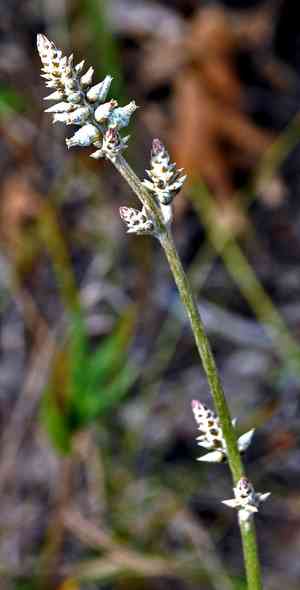
When Plains snakecotton receives proper sunlight, you'll observe vibrant green leaves and consistent flowering. The plant appears lush and robust, with strong stems and steady development. You should see its distinctive fluffy white flower spikes more frequently, especially during the growing season.
Indicators of Sunlight Deficiency
Insufficient sunlight in Plains snakecotton presents as elongated, weak stems and smaller leaves. The plant may appear pale or yellowish due to inadequate chlorophyll production. Additionally, reduced blooming and a generally stunted appearance signal a need for more sun. Moving it to a brighter location can revitalize its growth.
Monitoring Sunlight Duration
To ensure your Plains snakecotton gets enough sun, consider using a sunlight meter or sun calculator. These tools help measure daily garden sunlight exposure. For a simpler method, observe your garden at various times to estimate direct sunlight duration. Adjust planting locations accordingly to maximize light exposure.
Adjusting Sunlight for Plains snakecotton
Seasonal Sunlight Adjustments
Plains snakecotton may require varying sunlight exposure throughout the year. In late spring and summer, direct sunlight is usually abundant, but intense heat can sometimes harm the plant. Monitoring local weather and temperature changes will guide necessary adjustments, such as providing extra shade during peak heat.
Using Shade Cloth or Sun Protection
During periods of extreme heat, using a shade cloth can shield Plains snakecotton from sunburn and leaf damage. A shade cloth offering 30-40% coverage can lessen sun intensity while still allowing adequate light. It's an excellent solution during heatwaves or unusually hot summers. Ensure the cloth permits enough light to prevent deficiency.
Relocating to Optimal Sunlight Areas
If your Plains snakecotton isn't thriving, consider moving it to a more suitable sunny location. Choose areas with full sun exposure, such as the south or west sides of your garden, which typically receive the most light daily. When transplanting, do so gently to prevent root damage, and water the plant thoroughly afterward.
Environment and Sunlight Interaction for Plains snakecotton
Climate Influence
The climate where you cultivate Plains snakecotton significantly impacts its light requirements. In mild climates, the plant can tolerate full sun all day. However, in extremely hot regions, some afternoon shade might be necessary to prevent heat stress. Understanding the local climate helps tailor light exposure to the plant's needs.
Geographical Considerations
Geography plays a vital role in the quantity and quality of sunlight Plains snakecotton receives. Closer to the equator, sunlight is more intense and lasts longer year-round. Conversely, northern regions experience significant seasonal variations in sunlight duration. Adjusting planting sites based on these geographical factors ensures optimal light exposure.
Soil and Sunlight Correlation
While sunlight is crucial, the soil in which Plains snakecotton is planted also affects its ability to efficiently use light. Well-drained, fertile soil supports better plant health and light absorption. Poor soil conditions can impede growth even with sufficient sunlight. Regularly enriching the soil with organic matter can improve both soil quality and plant health, enabling Plains snakecotton to maximize its sunlight exposure.



