How to Prune Plains snakecotton?
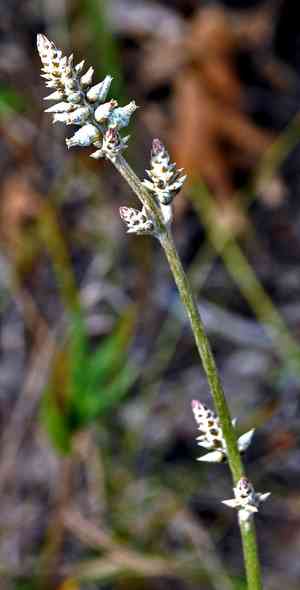
This enduring herbaceous plant is recognized for its tubular blossoms and silver-hued leaves. The most effective trimming for plains snakecotton entails excising deceased or compromised stalks to stimulate fresh development, ideally performed in Spring prior to the onset of vigorous growth. Summer and Autumn could also be appropriate for minor shaping and the removal of spent flowers to encourage ongoing flowering. Pruning guarantees the plant's robustness and an attractive form, with careful consideration given to preventing excessive trimming to preserve the plant's well-being.
What Are the Benefits of Pruning Plains Snakecotton?
What Are the Benefits of Pruning Plains Snakecotton?
Trimming plains snakecotton promotes robust development and maintains its desired form, which is vital for the plant's visual appeal and well-being. It aids in revitalizing plains snakecotton by eliminating dead or weak tissue, facilitating improved air circulation and light penetration.
What Is the Best Time for Pruning Plains Snakecotton?
What Is the Best Time for Pruning Plains Snakecotton?
Pruning in Spring allows plains snakecotton to recover and direct energy to new growth after the dormant winter phase, which is crucial for the plant's vitality and rejuvenation. Late Summer pruning aligns with the end of plains snakecotton's active growing phase, making it a suitable time to shape the plant and remove any unwanted or overgrown parts without causing stress. Fall pruning is advantageous to prepare plains snakecotton for winter dormancy by eliminating dead or weakened parts, reducing the risk of disease, and ensuring robust regrowth in the following season. It is essential to avoid pruning during winter to prevent damage to the core structure of plains snakecotton and to safeguard it from cold injury.
What Tools Do I Need to Prune Plains Snakecotton?
Hand Pruners
For routine upkeep and the removal of dead or damaged growth, hand pruners are perfect for plains snakecotton due to their precise cutting capability. They can easily cut through stems and are suitable for small diameters typically found on this plant.
Bypass Pruners
Bypass pruners work well for plains snakecotton as they make clean and healthy cuts that promote good plant health. They function like scissors, with a sharp blade 'bypassing' a dull counter blade, minimizing plant damage.
Pruning Shears
Pruning shears are useful for shaping and controlling the size of plains snakecotton. They allow for quick and snappy cuts on small to medium stems, contributing to a well-maintained appearance.
Gloves
Wearing gardening gloves is crucial while pruning plains snakecotton to protect hands from thorns and potential skin irritants.
Pruning Saw
For thicker, woody stems that plains snakecotton may develop over time, a small handsaw or pruning saw is recommended for clean and efficient cutting without damaging the plant's structure.
How to Prune Plains Snakecotton
Clean tools
Before starting, ensure all pruning tools are clean and sharp to prevent the spread of disease and ensure clean cuts on plains snakecotton.
Identify
Inspect plains snakecotton carefully to identify withered leaves that are brown, dry, and potentially diseased, which need to be removed.
Cut withered leaves
Using pruning shears or scissors, trim off withered leaves at the base where they attach to the main stem or branch, taking care not to damage healthy tissue.
Dispose
Collect and dispose of all the withered leaves in a responsible manner to prevent any potential disease spread or unwanted pests in the garden.
Clean up
After pruning, clean the tools again and the area around plains snakecotton to maintain a tidy environment and reduce the chance of fungal or bacterial growth.
Common Pruning Mistakes with Plains Snakecotton
Overpruning
Removing too much foliage or too many branches at once can stress plains snakecotton, leading to reduced vigor and potentially killing the plant.
Stub cutting
Leaving stubs after cutting branches can attract pests and diseases, hindering the healing process and potentially damaging plains snakecotton.
Improper tool use
Using dull or unclean tools can cause jagged cuts that are more susceptible to infection, thereby harming plains snakecotton's health.
Tearing bark
Tearing the bark while pruning can expose plains snakecotton to infections and infestations, compromising its structural integrity.
Flush cutting
Cutting too close to the main stem or trunk can remove the branch collar, delaying wound closure, and exposing plains snakecotton to pathogens.
Pruning without reason
Pruning plains snakecotton without a specific purpose, such as to shape, maintain health, or remove damaged limbs, can be detrimental to its growth.
Common Pruning Tips for Plains Snakecotton
Clean cuts
Make sure cuts are made cleanly and at the correct angle to promote quick healing and reduce the likelihood of diseases affecting plains snakecotton.
Right tools
Use sharp and sterilized pruning shears or scissors to ensure clean cuts and prevent the spread of diseases to plains snakecotton.
Gradual pruning
Prune plains snakecotton gradually over time rather than all at once to prevent stress and maintain plant health.
Selective pruning
Choose specific branches to prune based on their condition and position, focusing on removing dead, diseased, or overcrowded branches from plains snakecotton.
Cutting technique
Employ appropriate cutting techniques, such as cutting above a bud that faces outward to direct new growth away from the center of plains snakecotton.
Post pruning care
Provide plains snakecotton with appropriate post-pruning care, including adequate water and possible fertilizer application to support recovery and regrowth.



