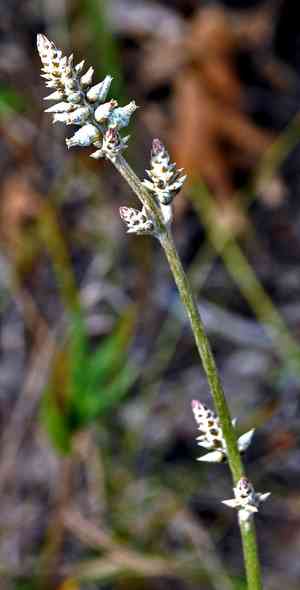
Plains snakecotton (Froelichia floridana)
Also known as: Cottonweed
Plains snakecotton is an annual wildflower known for its cone-shaped blooms and extensive taproot. Despite its short lifespan, it readily reseeds itself. The flowers develop a cotton-like look as they mature, which is how the plant earned its name.
In This Article
Attributes of Plains snakecotton
Lifespan
Annual, Perennial
Plant Type
Herb
Plant Height
61 cm to 1.02 m
Spread
15 cm
Leaf Color
Green, covered with white hairs
Flower Size
2.5 cm
Flower Color
White
Images of Plains snakecotton



Quickly Identify Plains snakecotton
1
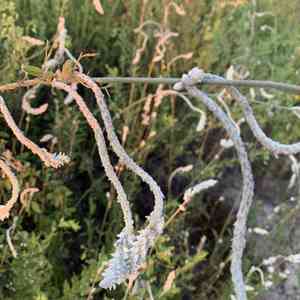
Identify Froelichia floridana by its woolly, silvery-white spikes of flowers and its hairy, lanceolate leaves. The plant often forms dense mats and has a distinctive cotton-like appearance due to the fine hairs covering its surfaces.
Scientific Classification of Plains snakecotton
Phylum
Vascular plants
Class
Dicotyledons
Order
Caryophyllales
Family
Amaranth
Genus
Snakecottons
Species
Plains snakecotton
Planting and Growing of Plains snakecotton
Care Difficulty
Easy
Watering Schedule
Every 4 days
Sunlight Requirements
Full sun
Sunshine Duration
6-10 hours
Ideal Temperature
75-85℉
Soil Type
Potting Mix, Peat Mix
Soil pH
6.5-7.5
Fertilizer Type
Balanced
Pruning Season
Spring, Summer
Pruning Area
Branches, Leaves
Pruning Frequency
2 times a year
Repotting Season
Spring
Pot Type
Plastic, Ceramic
 How to Water Plains snakecotton?
When watering Froelichia floridana, it is essential to provide enough moisture to thoroughly soak the soil, but ensure it is not waterlogged. Aim for 250ml per session, which should adequately moisten the soil down to the root level without excess pooling.
What are the symptoms of an underwatered Plains snakecotton?
›
What should I do if my Plains snakecotton is not getting enough water?
›
What are the symptoms of an overwatered Plains snakecotton?
›
How to save an overwatered Plains snakecotton?
›
 What Are the Sunlight Requirements for Plains snakecotton?
Froelichia floridana prefers a light range of full sun to partial sun. This light range supports vigorous growth, healthy leaf development, and vibrant flowering, which are critical for its aesthetic appeal.
More About Sunlight Requirements Techniques→
What is the best light for Froelichia floridana?
›
How to achieve ideal sunlight exposure?
›
What are the benefits of providing ideal light?
›
 What Is the Ideal Temperature Range for Plains snakecotton?
The ideal temperature range for growing Froelichia floridana is between 75°F and 85°F. This range ensures optimal growth conditions by providing a warm environment in which this plant naturally thrives. Maintaining temperatures within this range supports healthy physiological functions like photosynthesis and nutrient uptake, which are crucial for the plant's growth and development.
 What Soil is Best for Plains snakecotton?
Froelichia floridana thrives in well-draining soil that allows excess water to swiftly pass. It prevents root rot and helps the plant maintain its sturdy, healthy growth habit, making it perfect for gardens that experience occasional heavy rain. Though it is adaptable, Froelichia floridana benefits from soil enriched with organic matter. This kind of nutrient-rich composition supports vigorous growth and vibrant foliage, ensuring the plant has the sustenance it needs to reach its full potential. An ideal soil for Froelichia floridana holds enough moisture to sustain the plant during dry spells but releases extra dampness quickly to avoid waterlogging. This balance aids in stable growth and resilience against drought conditions.
 How to Fertilize Plains snakecotton?
Froelichia floridana is a plant that can thrive with moderate fertilization. A balanced liquid fertilizer diluted at half the recommended strength works best. For slow-release fertilizers, use approximately ½ teaspoon per plant. This ensures the plant receives nutrients without overwhelming the roots.
 How to Prune Plains snakecotton?
When pruning Froelichia floridana, aim to open up the center of the plant to allow for sunlight penetration and air circulation. Begin by removing any crossing branches that could be competing for space. Shape the plant according to your desired aesthetic but always consider the natural structure of the plant for a natural appearance. Each season may require a subtle adjustment in how you approach pruning. In spring and summer, focus on promoting flowers and growth, whereas, in autumn and winter, more emphasis should be on shaping and preparing the plant for dormancy.
More About Pruning Techniques→
 How to Propagate Plains snakecotton plant?
1
Fill the seed tray with potting mix, ensuring an even surface. Lightly water it to moisten the substrate without making it soggy.
2
Distribute the Froelichia floridana seeds evenly across the soil surface. Press them gently into the soil without covering them completely as they require light for germination.
3
Cover the seed tray with a transparent lid or plastic wrap to retain moisture. Place it in a warm location with indirect sunlight, checking daily to ensure the soil remains moist.
 How to Repot Plains snakecotton plant?
1
Froelichia floridana typically requires repotting when you notice roots emerging from the pot's drainage holes or if it seems to overflow with growth. A good time to repot is during its active growth phases in spring or summer to minimize stress.
2
Choose a pot that is only slightly larger than the current one to prevent overwatering risks. The pot should have drainage holes to ensure excess water escapes easily. Terracotta pots are great as they allow for better soil aeration.
3
Opt for a well-draining sandy mix for Froelichia floridana. This type of soil prevents water-logging which can lead to root rot. The sandy composition mimics natural habitats and ensures the plant's roots have enough air.
Learn More About Plains snakecotton Diseases
Anthracnose
Bacterial Leaf Spot
Bacterial Wilt
Chemical Injury
Cyst Nematode
Damping-off
Downy Mildew
Drought Stress
Fusarium Wilt
Gray Mold
Leaf Curl
Leaf Spot
Mosaic
Nutrient Deficiency
Nutrient Toxicity
Powdery Mildew
Root Rot
Root-knot Nematode
Rusts
Sooty Mold
Spider Mites
Temperature Stress
Thrips Damage
White Mold



