How Much Sunlight Do Scarlet fritillary Need?
1
Scarlet fritillary flourish optimally with more than 6 hours of direct sun daily.
2
Insufficient light can lead to fragile stems and reduced flowering.
3
Mirrored surfaces can aid in boosting light access for plants indoors.
Optimal Light Requirements for Scarlet fritillary
Full Sun vs. Partial Shade
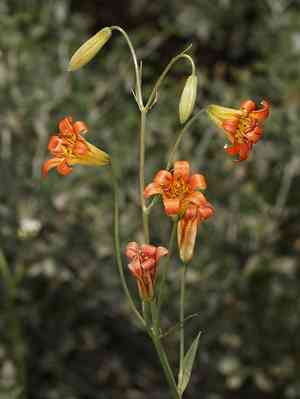
For Scarlet fritillary cultivation, adequate sunlight is vital. These vibrant blooms flourish best in full sun but can endure some partial shade. Full sun implies a minimum of 6 hours of direct sunlight daily, which aids in producing their striking red, bell-shaped flowers. However, if planted in a slightly shaded spot, they will still grow, provided the shade isn't too dense. For peak performance and abundant flowering, aim for full sun exposure.
Daily Sunlight Duration Needed
Scarlet fritillary demand at least 6 hours of direct sunlight daily to thrive. More light is often beneficial, particularly in early spring when their growth cycle begins. Ensuring sufficient light during this period sets them up for success throughout the season. If full-day sunlight isn't feasible, prioritize morning light, which is less intense and generally better tolerated by most plants.
Impact of Insufficient and Excessive Sunlight on Scarlet fritillary
Indicators of Inadequate Sunlight
Insufficient sunlight can visibly affect your Scarlet fritillary. A common sign is elongated and weak stems, as the plant stretches to find more light. You might also observe smaller or fewer blossoms. If these symptoms appear, it signals that your plant requires increased direct sunlight exposure.
Symptoms of Sunburn in Scarlet fritillary
Just as too little light is harmful, excessive direct, intense sunlight can cause sunburn. Sunburn symptoms in Scarlet fritillary include scorched or bleached foliage. Affected areas often appear brown and brittle. To prevent this, ensure they receive ample sunlight but avoid the harshest midday sun, especially in very hot climates. Providing some shade during peak hours can reduce this risk.
Ideal Cultivation Locations for Scarlet fritillary
Outdoor Garden Settings
Outdoor gardens are perfect for Scarlet fritillary as they readily receive natural, full sunlight. Select a spot that gets morning sun and some afternoon shade, particularly if you reside in a region with very hot summers. Optimal locations include south-facing garden beds or borders where plants won't be overshadowed by larger vegetation or structures.
Indoor Growing Options
If growing Scarlet fritillary indoors or in containers, positioning them near a south or west-facing window is essential. These exposures typically offer the most intense light. Additionally, using sheer curtains can diffuse light to prevent scorching during midday. Indoor plants may also benefit from supplemental lighting, especially during darker months.
Seasonal Light Considerations for Scarlet fritillary
Spring and Summer Light
During spring and summer, Scarlet fritillary usually receive abundant natural light. This is their primary growth period, so ensure they are situated to absorb at least 6 hours of sunlight, or more if possible. Regularly monitor their placement and adjust as needed to maintain consistent exposure.
Fall and Winter Adjustments
As days shorten in fall and winter, your Scarlet fritillary will require adjustments to their light exposure. This might involve relocating them to a brighter spot or using grow lights to supplement natural light. Pay close attention to their growth and flowering patterns during these seasons to make appropriate adjustments.
Strategies for Maximizing Sunlight Exposure for Scarlet fritillary
Utilizing Reflective Surfaces
An effective method to boost sunlight exposure for your Scarlet fritillary is by employing reflective surfaces. Placing mirrors or reflective garden materials behind your plants can direct additional light onto them. This is particularly useful for indoor plants or areas with limited natural light.
Pruning Nearby Vegetation
If your Scarlet fritillary is in an outdoor garden, ensure they are not overshadowed by larger, adjacent plants. Regular pruning of surrounding vegetation can create more open space for sunlight to reach your plants. This simple action can significantly increase their sunlight intake and enhance their growth and flowering.



