How to Prune Scarlet fritillary?
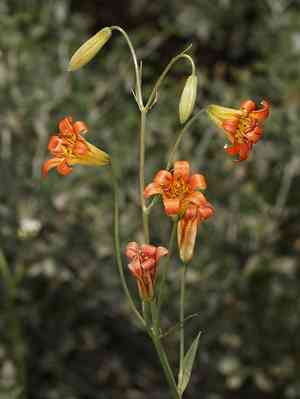
Celebrated for its drooping, campanulate blooms, scarlet fritillary flourishes with infrequent trimming. Snip off faded flowers once blooming concludes to foster vigorous development. Throughout the spring and summer seasons, eliminate any lifeless or compromised parts. Trimming aids in preserving the plant's health and averting ailments. Perform this task with sanitized, keen implements to guarantee clean incisions and prevent undue strain on scarlet fritillary.
Advantages of Trimming Scarlet Fritillary
Advantages of Trimming Scarlet Fritillary
Trimming scarlet fritillary promotes vigorous development and maintains an attractive form. Carefully removing faded blooms and any unruly stems directs energy to healthy sections, ensuring a strong and well-shaped specimen.
Optimal Period for Pruning Scarlet Fritillary
Optimal Period for Pruning Scarlet Fritillary
The best times for pruning scarlet fritillary are late spring and early summer. These periods coincide with the plant's post-flowering phase, typically after its blossoms have faded. Pruning in late spring allows for the removal of any dead or damaged foliage from winter, thereby preventing disease or pest infestations. Early summer pruning ensures the plant has ample time to recover and produce new leaves, which is vital for storing energy for the subsequent flowering cycle. Furthermore, this schedule avoids cutting back scarlet fritillary before or during its bloom period, which would otherwise inadvertently diminish its magnificent floral display. Proper timing also supports the natural growth habit of scarlet fritillary, encourages a robust structure for the next season, and maintains its overall health and vigor.
Necessary Tools for Pruning Scarlet Fritillary
Hand Pruners
For snipping off spent flower stalks or removing any damaged leaves from scarlet fritillary, sharp hand pruners are ideal. These tools enable precise cuts that do not harm the remaining healthy parts of the plant.
Garden Scissors
For deadheading or shaping scarlet fritillary if needed, garden scissors can be used for their fine control and ease of use. They work well for delicate stems, especially when trying to avoid damage to nearby flowers or foliage.
Pruning Snips
When dealing with the smaller, more intricate sections of scarlet fritillary, such as untangling dead foliage without disturbing the bulb or adjacent plants, pruning snips with pointed, narrow blades offer the necessary precision.
How to Prune Scarlet Fritillary
Sanitize tools
Begin by sanitizing your pruning shears or scissors to prevent the spread of disease to scarlet fritillary.
Remove diseased leaves
Carefully cut off any leaves showing signs of illness, making the cut at the base of the leaf where it connects to the stem.
Trim withered leaves
Snip away withered and old leaves close to the base to encourage new growth and improved air circulation around scarlet fritillary.
Cut diseased stems
Identify diseased stems and make a clean cut through the stem, removing it entirely from the plant. Cut just above a healthy leaf node or cluster of leaves.
Dispose trimmed materials
Properly discard all removed leaves and stems to prevent the spread of any disease and to keep the area around scarlet fritillary tidy.
Common Pruning Errors with Scarlet Fritillary
Excessive pruning
Removing too much foliage or cutting back scarlet fritillary's stems excessively can stress the plant, leading to poor growth or reduced flowering.
Cutting healthy growth
Sometimes well-intentioned gardeners remove healthy stems or foliage on scarlet fritillary, unaware these parts are crucial for photosynthesis and energy storage.
Using unsanitized tools
Pruning with dirty tools can introduce disease or pests to scarlet fritillary. Ensuring tools are sterilized before use can prevent this.
Incorrect cut placement
Making cuts too close to the bulb can damage scarlet fritillary. It's important to cut on the stems above the basal plate to avoid injuring the plant.
Pruning for aesthetics
Scarlet fritillary does not tolerate pruning for shaping as some other ornamental plants do. Pruning on scarlet fritillary should focus on plant health rather than aesthetics.
Neglecting deadheading
Failing to remove spent flowers can result in scarlet fritillary using resources to produce seeds instead of storing energy for the next growing cycle.
General Pruning Advice for Scarlet Fritillary
Utilize sharp tools
Sharp, clean pruning shears create clean cuts that heal quickly and reduce the chance of disease on scarlet fritillary.
Cut above leaf nodes
When pruning scarlet fritillary, cut just above a leaf node or cluster of leaves to encourage new growth from that point.
Remove spent flowers
After blooming, remove the spent flowers of scarlet fritillary to redirect energy to the bulb, promoting better growth in the next season.
Maintain plant health
Pruning should target dead or diseased foliage on scarlet fritillary, as well as any stems that are crossing or rubbing against each other.
Timing after foliage yellows
Once the foliage of scarlet fritillary naturally yellows, which indicates the nutrients have returned to the bulb, it can be pruned back to the ground.
Mulch after pruning
After the foliage has been pruned and as the plant goes dormant, applying a layer of mulch provides protection and keeps the soil moist, which benefits scarlet fritillary.



