How Much Sunlight Do Sweet Joe-Pye weed Need?
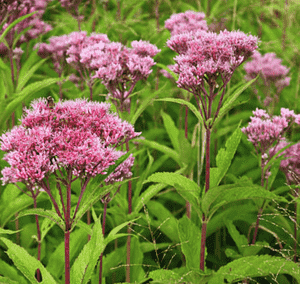
1
Sweet Joe-Pye weed flourishes optimally with ample sunlight, requiring 6-8 hours of direct sun each day.
2
Lack of adequate light can lead to sparse blooms and elongated stems in your Sweet Joe-Pye weed.
3
Applying mulch thoughtfully aids in retaining soil dampness while maximizing sun absorption.
Optimal Light Requirements for Sweet Joe-Pye weed
Full Sun vs. Partial Sun
Sweet Joe-Pye weed, a robust perennial, thrives best in full sun, meaning it needs at least six hours of direct sunlight daily. However, it can endure partial sun, especially in areas with very hot summers where some afternoon shade can prevent leaf burn. While adaptable to partial sun, the plant might not achieve its maximum size and vigor with less than the recommended light.
Daily Sunlight Duration Needed
For peak development, ensure your Sweet Joe-Pye weed receives 6 to 8 hours of direct sunlight daily. This is especially important during its active growth phase. Morning and late afternoon sun are beneficial, but be cautious of prolonged exposure to harsh midday sun, particularly in warmer climates. Adequate daylight promotes strong growth and vibrant blooms.
The Importance of Sunlight for Sweet Joe-Pye weed
Photosynthesis and Development
Sunlight is essential for Sweet Joe-Pye weed as it powers photosynthesis, the process where the plant converts light energy into chemical energy, fueling its growth. Sufficient sunlight allows the plant to produce the necessary nutrients for its sturdy structure and healthy foliage. Without enough light, the plant's development can be stunted, and its overall health compromised.
Flowering and Bloom Period
Sweet Joe-Pye weed is prized for its large, fragrant, and striking flower clusters that appear from mid-summer to early autumn. Ample sunlight is critical for the formation and longevity of these blossoms. Plants receiving sufficient light are more likely to produce abundant and vivid flowers, which attract pollinators like butterflies and bees, thereby enhancing your garden's ecological value.
Adjusting to Various Sunlight Conditions
Indicators of Insufficient Sunlight
Recognizing signs of inadequate sunlight can help you modify your care routine to prevent lasting harm to your Sweet Joe-Pye weed. Common symptoms of too little sun include leggy growth, where stems become elongated and weak, and reduced flowering. Leaves may also turn pale or yellow, a condition called chlorosis, due to insufficient chlorophyll production.
Indicators of Excessive Sunlight
While Sweet Joe-Pye weed flourishes in full sun, too much sunlight, especially during the hottest part of the day, can cause leaf scorch. This results in leaf edges turning brown and crispy due to water loss and heat stress. If you observe these symptoms, providing some afternoon shade or increasing watering might help the plant cope with intense sun.
Modifying Sunlight Exposure
To ensure your Sweet Joe-Pye weed gets the correct amount of sunlight, consider its placement in your garden. If it's in a spot with too much direct sun, use shade cloths or plant taller companion plants for some relief. Conversely, if it's in too much shade, you might need to relocate it to a sunnier area. Regularly monitor the plant's health and adjust its care regimen to maintain balance.
Additional Advice for Sunlight Optimization
Choosing the Right Garden Location
Selecting the perfect spot for your Sweet Joe-Pye weed is vital for its success. Look for an area that receives plenty of morning sun with some protection from intense afternoon rays if you live in a particularly hot region. A garden spot with well-draining soil and good air circulation will also encourage healthy growth and prevent disease.
Utilizing Mulch and Shade Cloth
Applying a layer of mulch around your Sweet Joe-Pye weed can help retain soil moisture and keep roots cool, especially during hot summer months. In extreme heat, consider using shade cloth to offer temporary relief from the sun. These practices will help create a favorable growing environment, ensuring your plant gets enough sunlight without suffering from heat stress.



