How to Prune Sweet Joe-Pye weed?
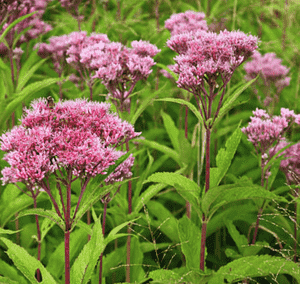
A towering, herbaceous perennial, sweet Joe-Pye weed is renowned for its impressive, purple floral spikes and its affinity for damp, fertile ground. Essential trimming entails removing faded blossoms to stimulate additional flowering, a task that can be performed until late summer. Cutting back in early spring fosters robust development. Advantages encompass improved air movement, management of pests, and heightened plant vitality. Trimming also maintains the plant's neat appearance and can deter self-propagation if preferred.
What Are the Benefits of Pruning Sweet Joe-pye Weed?
What Are the Benefits of Pruning Sweet Joe-pye Weed?
Trimming sweet Joe-Pye weed promotes robust development and helps maintain its desired form. This results in a compact, healthier plant that enhances its overall visual appeal in a garden.
What Is the Best Time for Pruning Sweet Joe-pye Weed?
What Is the Best Time for Pruning Sweet Joe-pye Weed?
Trimming sweet Joe-Pye weed in early spring is crucial for fostering vigorous new growth and preserving the plant's intended shape. Removing dead or compromised stems at this time allows the plant to channel its energy into producing strong new stems and foliage. In late summer, after sweet Joe-Pye weed has finished blooming, pruning can help manage its size and prevent unwanted self-seeding. It also prepares sweet Joe-Pye weed for winter by eliminating spent flowers that could harbor pests or diseases. Timely seasonal care ensures the plant remains healthy and vibrant, offering its best display throughout its growing period.
What Tools Do I Need to Prune Sweet Joe-pye Weed?
Bypass Pruners
Perfect for making clean cuts on the smaller stems of sweet Joe-Pye weed, bypass pruners are ideal for precise work and thinning the plant without harming the stems.
Pruning Saws
For mature sweet Joe-Pye weed plants, pruning saws effectively handle thicker stems too large for hand pruners, ensuring a clean cut without tearing.
Loppers
Excellent for cutting through thicker stems and branches of sweet Joe-Pye weed that are hard to reach or need more leverage, loppers provide the necessary cutting power while maintaining control.
Gloves
Protective gloves should be worn to prevent skin contact, as sweet Joe-Pye weed might cause irritation or an allergic reaction during pruning.
Pruning Shears
For shaping and deadheading sweet Joe-Pye weed flower heads, pruning shears are useful for detailed tasks and encourage healthier growth and blooming in the next season.
How to Prune Sweet Joe-pye Weed
Step1: Timing for Pruning
Wait for the appropriate time to begin trimming sweet Joe-Pye weed. This is typically in late winter to early spring, before new growth starts, or just after the first hard frost in the fall.
Step2: Tool Sterilization
Clean and sanitize your pruning tools with rubbing alcohol or a 10% bleach solution to prevent disease transmission.
Step3: Dead Flower Identification
Locate dead flowers on sweet Joe-Pye weed. These appear as dried, brownish seed heads atop the stems and are usually spent blooms from the previous growing season.
Step4: Deadhead Removal Technique
Using sharp pruning shears, snip off the dead flower heads, cutting just above the first healthy set of leaves on the stem. Ensure cuts are clean and at a 45-degree angle to promote better healing.
Step5: Damaged Stem Detection
Inspect sweet Joe-Pye weed for damaged stems, which may be broken, visibly injured, discolored, or showing signs of disease or insect damage.
Step6: Damaged Stem Removal
Carefully remove the damaged stems by cutting back to a main stem or to just above a set of healthy leaves. Avoid leaving stubs as they can attract pests and diseases.
Step7: Shaping the Plant
If general shaping of sweet Joe-Pye weed is desired, selectively cut back stems to maintain a natural and pleasing shape. However, remember that sweet Joe-Pye weed tends to grow in clumps and may not require extensive shaping.
Step8: Disposal of Trimmings
Collect the trimmed plant material and dispose of it properly, ideally in a compost pile unless it shows signs of disease or pests, in which case it should be discarded in the trash.
Step9: Post-Pruning Watering
Water the base of sweet Joe-Pye weed lightly after pruning to aid recovery, but avoid overwatering, which could stress the plant or promote root rot.
Step10: Growth Monitoring and Care
Monitor sweet Joe-Pye weed for new growth, which should emerge from the trimmed stems in the following weeks, and provide care as needed including water, sunlight, and fertilizer appropriate for the species.
Post-Pruning Care for Sweet Joe-pye Weed
Post-Pruning Care for Sweet Joe-pye Weed
Immediately after trimming sweet Joe-Pye weed, water thoroughly to reduce stress. Position sweet Joe-Pye weed to receive adequate, indirect light, ensuring stable humidity and temperatures between 60-75°F for recovery. A balanced, slow-release fertilizer should be applied to support new growth. Monitor sweet Joe-Pye weed for wilting or discolored foliage, indicating stress or infection. In such cases, adjust care and potentially consult a plant pathologist. Regular, gentle care post-pruning is crucial for the robust health of sweet Joe-Pye weed.
Common Pruning Mistakes with Sweet Joe-pye Weed
Avoid Overpruning to Prevent Stress and Poor Blooming
Excessive pruning, which can stress sweet Joe-Pye weed and diminish its ability to thrive and produce its characteristic large flower heads.
Sterilize Tools to Prevent Disease Transfer
Pruning without sanitizing tools, which risks spreading diseases between sweet Joe-Pye weed and other plants.
Prune Woody Stems Carefully to Protect Plant Structure
Cutting into the main woody stems too aggressively, especially with mature sweet Joe-Pye weed plants, can harm the plant's structure and vitality.
Remove Dead or Diseased Stems to Promote Healthy Growth
Ignoring dead or diseased stems during pruning, which can hinder healthy growth and potentially spread disease throughout sweet Joe-Pye weed.
Respect Plant's Natural Shape During Pruning for Aesthetic Balance
Failing to consider the plant's natural shape and growth habit, leading to a disproportionate or unbalanced appearance after pruning.
Common Pruning Tips for Sweet Joe-pye Weed
Use Clean, Sharp Shears for Quick Healing and Disease Prevention
Use clean, sharp pruning shears to make precise cuts that will heal quickly, reducing the risk of disease for sweet Joe-Pye weed.
Remove Only Dead or Damaged Stems for Vigorous Growth
Focus on removing only dead or damaged stems to maintain the health and appearance of sweet Joe-Pye weed, as this promotes more vigorous growth and better blooms.
Prune Sparingly to Preserve Natural Form and Encourage Fuller Growth
Prune sparingly to shape sweet Joe-Pye weed while preserving its natural form; this encourages fuller, more natural-looking growth.
Cut at 45-Degree Angle near Nodes for Directed New Growth
Cut stems at a 45-degree angle about a quarter inch above a leaf node or bud, to promote new growth in the desired direction for sweet Joe-Pye weed.
Thin Out One-for-Air Circulation While Maintaining Strong Framework
When thinning out sweet Joe-Pye weed to increase air circulation, carefully choose which stems to remove, aiming to keep the plant's framework strong and well-shaped.
Prune Flower Stalks Post-Bloom for Secondary Blooming and Controlled Seeding
After flowering, if desired, cut back the flower stalks to encourage a secondary bloom and prevent sweet Joe-Pye weed from self-seeding excessively if self-seeding is not desired.



