How Much Sunlight Do Cushion spurge Need?
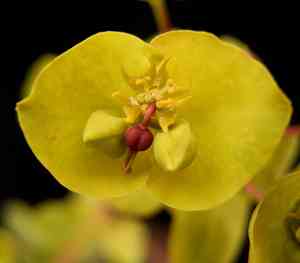
1
Cushion spurge flourishes optimally in bright, direct light, requiring a minimum of six hours of sun exposure each day.
2
Indications of excessive sun exposure are yellowed foliage and burned leaf margins.
3
Insufficient light can result in elongated stems and diminished flower production.
Optimal Light Requirements for Cushion Spurge
Full Sun vs. Partial Shade
Cushion spurge thrives in full sun, necessitating at least 6 hours of direct sunlight daily. This environment promotes its characteristic bright yellow spring foliage and robust development. While it tolerates partial shade (3-6 hours of sun), excessive shade can diminish color intensity and lead to spindly growth.
Morning Sun Exposure
Morning sunlight is less harsh than afternoon sun, making it perfect for Cushion spurge. Early light helps evaporate overnight leaf moisture, reducing fungal disease risk. Position your plant where it can absorb morning rays for best growth.
Afternoon Sun Exposure
Afternoon sun can be more intense and potentially stressful for Cushion spurge. However, if the plant is accustomed to full sun, it can endure this exposure. To prevent overheating, keep the soil consistently moist but not waterlogged, and consider mulching to cool the roots.
Effects of Excessive Sunlight on Cushion Spurge
Signs of Overexposure
Too much sunlight can cause various stress indicators in Cushion spurge. Common symptoms include yellowing leaves, scorched edges, and a general wilted appearance. If these signs appear, your plant might be receiving excessive direct sunlight without sufficient hydration.
Prevention and Remedy
To avoid overexposure, gradually introduce Cushion spurge to full sun, especially if it was previously in a shaded area. Ensure the soil drains well and retains moisture. A light mulch layer can also help maintain cool roots. If overexposure symptoms emerge, consider providing temporary shade, particularly during peak sun hours.
Effects of Insufficient Sunlight on Cushion Spurge
Signs of Underexposure
Inadequate sunlight can be equally harmful. Cushion spurge in low light conditions often becomes leggy, with elongated stems stretching towards the light. The vibrant yellow foliage will dull, and flowering may be significantly reduced or absent.
Tips to Increase Sunlight Exposure
If your Cushion spurge isn't getting enough sunlight, consider moving it to a brighter location. Trim any obstructing branches or foliage that might block light. During winter, when natural light is scarce, you might use a grow light to provide the necessary additional brightness.
Optimizing Sunlight for Cushion Spurge
Choosing the Right Location
Select a garden spot that receives ample sunlight throughout the day. An eastern or southern orientation is typically ideal. When planting Cushion spurge, ensure the chosen site won't be shaded by growing trees or structures.
Seasonal Sunlight Adjustments
Different seasons bring varying sunlight angles and intensities. During the spring and summer growing seasons, Cushion spurge will flourish with abundant light. In fall and winter, when the sun is lower and days are shorter, ensure the plant isn't overshadowed. If needed, adjust its position to maximize sunlight exposure during these months.



